SAN FRANCISCO — In a landmark broadcast of Bloomberg Technology, the overarching trajectory of the global tech sector came into sharp focus, anchored by a series of high-stakes corporate developments, regulatory shifts, and technological breakthroughs. At the center of this financial and operational momentum is Nvidia, whose latest earnings announcement has delivered a powerful counter-narrative to growing market anxiety regarding a potential artificial intelligence bubble. The semiconductor giant put forward a historic outlook, projecting a staggering 70 percent revenue growth for the upcoming fiscal year. This forecast far surpassed initial Wall Street estimates, reaffirming Nvidia’s central position in driving the infrastructure behind modern generative computing. Although executive leadership acknowledged mild short-term margin pressures stemming from rising memory component costs, the broader consensus points toward exceptionally robust demand. Beyond hardware manufacturing, Nvidia’s expanding role as a key financial backer within the wider AI ecosystem further reinforces its systemic influence over the sector's current capital cycle.
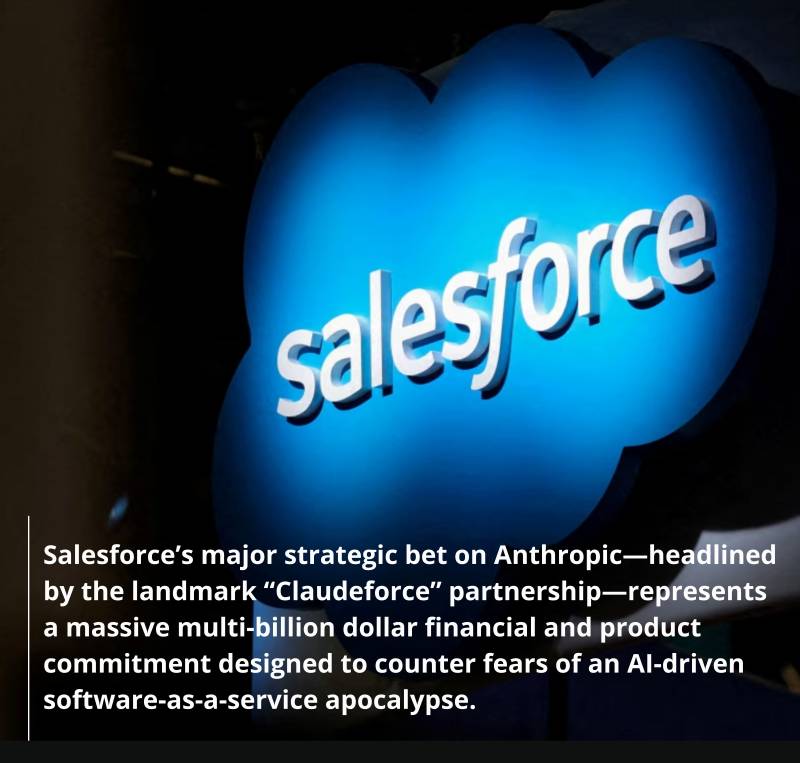
The ripple effects of AI expansion were equally evident in enterprise software, highlighted by a dramatic surge in Salesforce stock. Shares of the cloud software leader jumped by more than 21 percent following an upgraded revenue forecast and the strategic revelation of a deepened partnership with AI startup Anthropic. Under this agreement, Salesforce products are set to be directly integrated into Anthropic's Claude platform, marking a significant step toward embedding deep analytical and operational tools straight into conversational artificial intelligence interfaces. This collaboration underscores a broader pivot among established enterprise giants seeking to monetize AI capabilities through strategic integrations rather than relying solely on internal hardware development.
Meanwhile, regulatory oversight and corporate accountability reached a critical turning point as Meta agreed to a historic settlement in a major social media litigation case. The deal carries potential total costs of up to $18 billion alongside mandatory operational reforms aimed at protecting younger users. Key provisions of the agreement include strict two-hour daily time limits for teens across Meta's platforms, backed by enhanced age verification tools designed to prevent underage bypass. This regulatory outcome signals a tightening legal framework for major platforms as governments move to address the psychological and behavioral impacts of digital engagement on adolescents.
On the technological frontier, open-source AI platform Hugging Face introduced an unconventional addition to the hardware landscape with the launch of its "Micro Duck" robot. Designed as a trainable, bipedal unit capable of walking, speaking, and even roller-skating, the open-source platform is engineered to lower the barrier to entry for robotics. Hugging Face executives emphasized that the project aims to make AI and physical automation more approachable and engaging for families, educators, and independent software developers alike, contrasting with the strictly industrial focus of competing robotics efforts.
Finally, the broadcast highlighted an upcoming high-level global policy summit expected to bring together key industry figures, including Tesla and X owner Elon Musk and Nvidia Chief Executive Jensen Huang. The ministerial meetings aim to establish foundational principles for cross-border AI governance, balancing competitive innovation with risk mitigation. As technological capabilities accelerate alongside massive market valuations, the gathering reflects a growing consensus between corporate leaders and international regulators that structural guardrails must evolve alongside the hardware and software transforming the global economy.