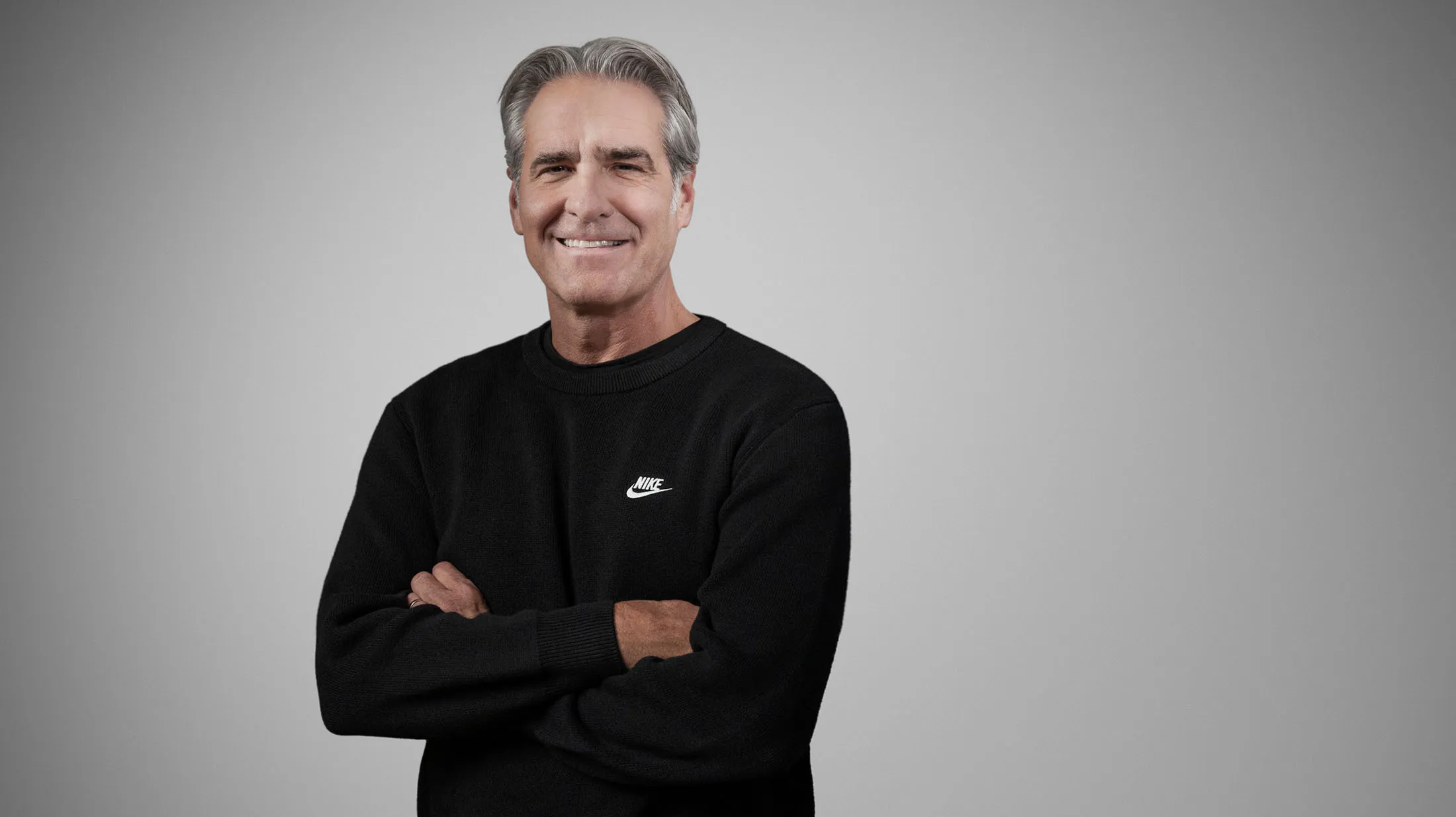
The Wall Street Journal recently interviewed the CEO of Nike regarding the company’s crucial reinvention strategy, which follows a period of significant turmoil where the brand lost "tens of billions in market value after a series of missteps". The CEO, who returned after more than 35 years with the company, acknowledged that the prior leadership had leaned too heavily on "sneaker head culture" and lost focus on athletics. This resulted in flooding the market with popular shoes like the Air Jordan 1, causing consumers to lose interest and forcing the company to slash prices to clear excess inventory, a job that is still being finished a year later.
The cornerstone of the turnaround, according to the CEO, is a return to what is "essential to Nike": putting the athlete back at the center of everything the company does. The focus of this innovation is the LeBron James R&D lab, which serves as the "heartbeat of our innovation". The CEO approached the reinvention by breaking it down rather than trying to "fix everything all at once".
A primary focus for the company is managing the inventory glut associated with its largest franchises: the Air Jordan 1, Air Force One, and Nike Dunk. The CEO admitted the company "became over reliant on the three shoes". While Nike has done a "really nice job" getting the Air Force One back into a good inventory position, "work remains to do on the Dunk and Air Jordan 1's returning to the right level of inventory". Analysts estimate that in fiscal 2025, the Nike Dunk generated $4 billion, but it is now being phased out as the company and its wholesale partners work to clear the remaining stock from the marketplace. While the CEO is not predicting a huge impact from the Dunk next year, he believes it "will have its moment again," noting that the Air Force One is already starting to see such a return.

Related article - Uphorial Shopify
To drive future growth, Nike is heavily emphasizing innovation and new product launches. Upcoming releases include a "4 in one jacket" slated for launch around the Olympics, and Project Amplify, a platform intended to help athletes go "further faster". A highly anticipated product is the Caitlyn Clark shoe. Nike is committed to investing in its women’s business and has received a "great response" to the logo created for Clark. The company is taking the necessary time to ensure "everything from her logo to the product" is exactly the way Clark wants it before the launch.
The running category is another area of focus, which the CEO concedes is "more competitive than it ever was". Nike has hired a general manager for Nike running, which is helping the company get "sharper on the product and the storytelling," thereby making it more competitive. The brand is also implementing a "sport offense" strategy, segmenting its three brands—Nike, Jordan, and Converse—by sport, which is expected to make the company more competitive and help drive "revenue and certainly market share gains".
A significant shift in strategy involves distribution, reversing years of focus on direct-to-consumer sales. After splitting up with Amazon in 2019, Nike is now returning to selling products on the platform. The strategy, however, is not just about opening more channels, but about making certain that "wherever the consumer chooses to shop," Nike shows up in a "really thoughtful way" with the "consumer right assortment" for that specific shopper. Nike is also expanding its presence with other retailers like Macy’s, DSW, and Academy Sports, where the Jordan brand recently opened a dedicated space. The goal is to "elevate the presentation," "drive sell through," and try to be "the most profitable brand wherever we are," which helps drive revenue and profit for both Nike and its retailers, ultimately helping to "take back market share". For retailers like Academy, the strategy ensures that the consumer who wants to access the Jordan brand at all price points is served, including products at both entry-level and elevated price points.
Addressing internal morale following a tough year marked by employee discontent, the CEO emphasized that employees know he "care[s] deeply about this place" and they respect his years of experience and knowledge of the company, the consumer, and the overall industry. By shifting the focus back to "doing what we were created to do," which is serving the athlete, morale and focus on campus have been "elevated," enabling the team to deliver results. The CEO concluded that the team is rallying, and they are "just getting started".