The global technology sector is navigating a complex intersection of geopolitical tension, unprecedented infrastructure demand, and shifting corporate strategies, according to the latest developments detailed on Bloomberg Tech. As financial markets face downward pressure triggered by escalating US-Iran tensions, the semiconductor index has experienced a significant pullback. Investors are exhibiting caution across the board, yet the overarching narrative remains dominated by the relentless expansion of artificial intelligence and the massive capital investments required to sustain it.
All eyes are firmly fixed on Nvidia ahead of its highly anticipated earnings report this Wednesday. As the primary bellwether for the AI boom, Nvidia’s financial health and forward-looking guidance are expected to set the tone for the broader market. Wall Street analysts are closely scrutinizing several critical variables that could impact the company’s industry-leading margins. Specifically, the market is looking for clarity on the shifting dynamics of inferencing demand versus training, ongoing supply chain constraints, and the rising costs of High Bandwidth Memory (HBM). How Nvidia manages these headwinds while satisfying the insatiable global demand for its chips remains the pivotal question for tech investors.
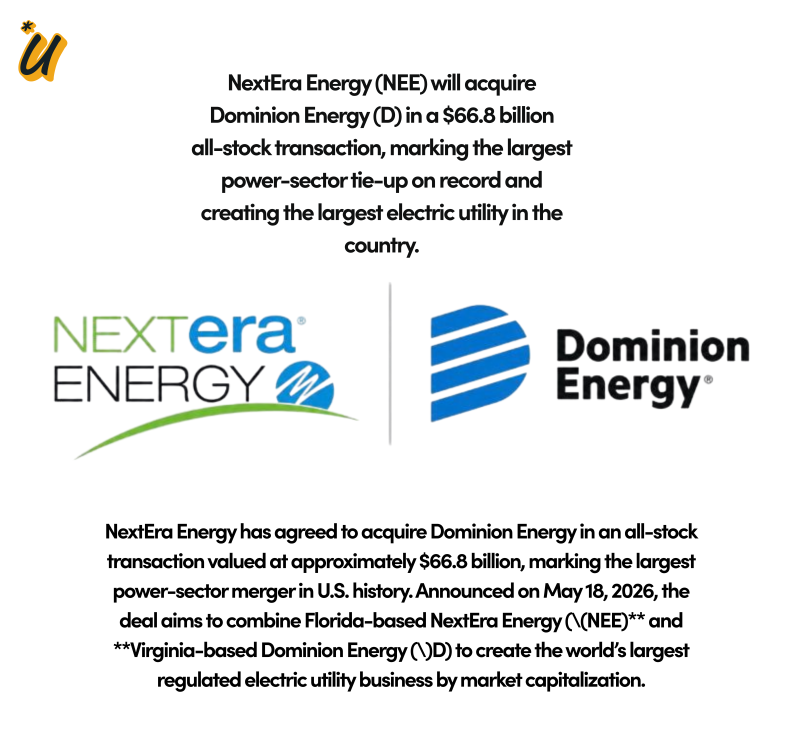
The sheer scale of the AI expansion is fundamentally reshaping global energy markets, shifting the primary bottleneck of technology growth from silicon to electricity. In a historic testament to this trend, a record-breaking $67 billion deal has been announced, with NextEra Energy acquiring Dominion Energy. This mega-merger is designed specifically to support the massive, unprecedented power demands of next-generation AI data centers. Industry experts emphasize that secure, scalable power availability has become the ultimate limiting factor for AI deployment. Consequently, infrastructure companies like IREN are aggressively expanding their global footprints, focusing capital expenditure on regions that can offer reliable, renewable energy grids to keep pace with the computational load.
This demand for computing power has become so volatile that it is giving rise to entirely new financial instruments. In a novel intersection of finance and tech, CME Group and Silicon Data are teaming up to launch a specialized futures market for AI computing power. This innovative marketplace will allow enterprises to trade compute as an asset, providing a crucial mechanism for companies to hedge against the extreme volatility of cloud and hardware costs. As computational capacity becomes a standardized commodity, the ability to lock in prices could determine the operational viability of tech firms moving forward.
Beyond infrastructure and energy, major corporate shakeups and product evolutions continue to reshape the consumer tech landscape. At Apple, the focus has turned to the future of its ecosystem ahead of major software updates. Mark Gurman reports that upcoming changes to Siri will lean heavily into user privacy as a core differentiator from competitors. Apple plans to introduce features such as the automatic deletion of chat history, attempting to carve out a distinct, privacy-first identity in a market currently dominated by cloud-heavy, data-retentive AI rivals.
Simultaneously, Elon Musk has confirmed he is on the ground in Texas working on structural plans for a potential SpaceX initial public offering. Sources indicate that official regulatory filings for the space exploration giant could arrive as early as this week, a move that would represent one of the most significant and highly anticipated market debuts in recent history.
These rapid shifts have created sharp divisions among the world’s most prominent institutional investors, as revealed in the latest round of 13F filings. Wall Street’s elite are executing vastly divergent strategies regarding big tech exposure. For instance, billionaire investor Bill Ackman has aggressive amplified his tech bet, taking a massive new stake in Microsoft. Conversely, other heavyweight hedge funds, including Tiger Global, have chosen to de-risk, actively reducing their exposure to the sector. This stark divergence highlights a growing debate among institutional managers over whether current AI valuations represent sustainable long-term growth or a market nearing its short-term peak.