Washington DC - — The traditional divide between the innovation hubs of Northern California and the corridors of power in Washington is rapidly dissolving. At the recent Hill and Valley Forum, a palpable shift in the American landscape was on full display as leaders from both sectors converged to discuss a unified front in defense technology, artificial intelligence, and space exploration. Hosted by Caroline Hyde and Ed Ludlow, this special gathering highlighted a new era of "re-industrialization," where the agility of Silicon Valley is no longer just a luxury of the private sector but a requirement for national security.
The urgency of this partnership has been underscored by shifting global dynamics, particularly the escalating conflicts involving Iran. Trey Stevens, Executive Chairman of Anduril, addressed the evolving nature of modern warfare, noting that the traditional "Big Defense" model is being challenged by the reality of drone warfare. Stevens emphasized a critical strategic pivot: the need to dramatically lower the cost of engagement. As low-cost, high-volume munitions become the norm in international skirmishes, the United States is being forced to rethink its procurement strategies to ensure it isn't spending millions to intercept threats that cost only thousands to produce.

This economic reality is driving a broader overhaul of industrial policy. For decades, the Department of Defense has relied on a handful of massive legacy contractors, creating a high barrier to entry for smaller, more nimble tech firms. However, panel discussions at the forum signaled a breaking of these barriers. There is a growing consensus that the government must modernize its procurement processes to integrate the rapid prototyping and iterative development cycles that define Silicon Valley. This shift aims to turn the U.S. military into a more agile consumer of technology, capable of deploying cutting-edge tools at the speed of innovation rather than the speed of bureaucracy.
Artificial intelligence is at the heart of this transformation, but not in the way science fiction often portrays. Shyam Sankar, Chief Technology Officer at Palantir, provided a grounded look at how AI is currently being utilized on the frontline. Rather than replacing human decision-makers, AI is being used to empower "vocational workers" within the military. By automating complex backend processes—such as targeting data and logistical coordination—AI allows personnel to be exponentially more productive. In practice, this means military operators can process information and execute missions with a level of precision and speed that was previously unattainable, effectively "super-charging" the existing workforce.
Related article - Uphorial Shopify

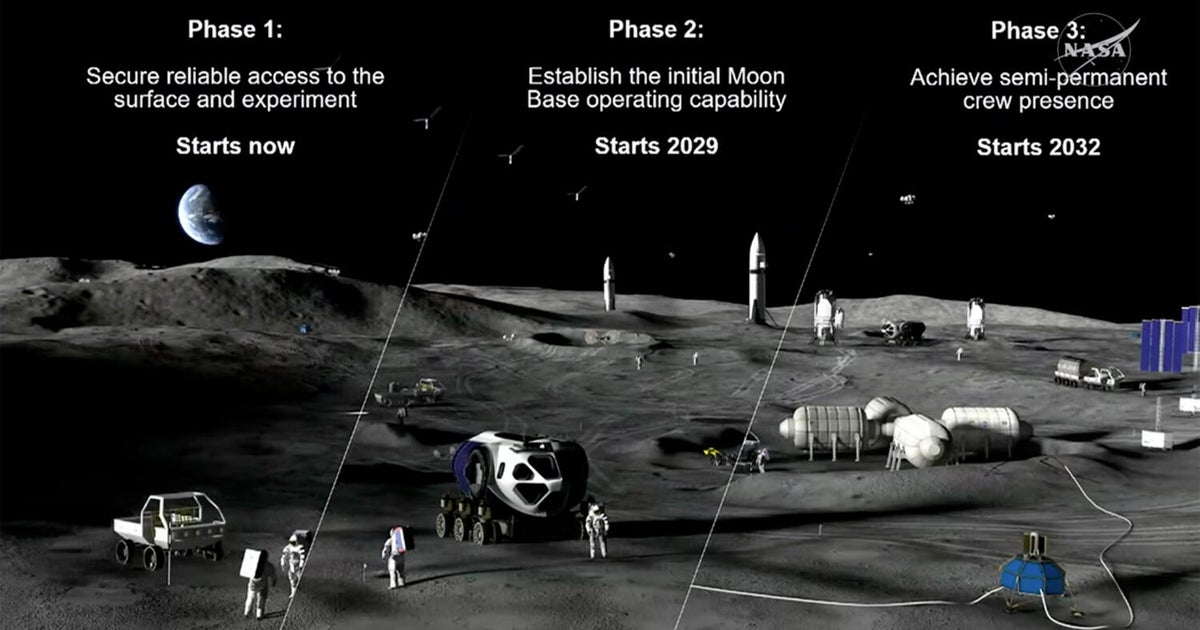
Beyond the immediate concerns of Earth-bound conflict, the forum also turned its gaze toward the stars, where NASA is embarking on its most ambitious chapter in decades. NASA Administrator Jared Isaacman detailed a bold new agenda for lunar exploration, backed by a $20 billion investment over the next seven years. The goal has shifted from the fleeting visits of the Apollo era to the establishment of a permanent, sustainable base on the Moon. This "Moon Agenda" is not merely about prestige; it serves as a critical testing ground for the future of deep-space travel.
A central component of this long-term vision is the development of nuclear-powered spacecraft. Isaacman noted that while the Moon is the current focus, the ultimate prize is Mars. By mastering nuclear propulsion and sustainable living on the lunar surface, the United States is laying the infrastructure for the first crewed missions to the Red Planet. This vision for space, much like the advancements in defense and AI, relies on a seamless integration of government funding and private sector ingenuity.
As the Hill and Valley Forum concluded, the message was clear: the United States is entering a period of aggressive re-industrialization. By merging the technical prowess of Silicon Valley with the strategic scale of the federal government, the nation is positioning itself to lead in an increasingly volatile and competitive global environment. From the foxholes of modern conflict to the craters of the Moon, the partnership between the "Hill" and the "Valley" is no longer just a collaboration—it is the new foundation of American industry.