The global technology sector is navigating a complex landscape of surging artificial intelligence demand, intensifying regulatory battles, and shifting geopolitical boundaries. Recent reports from Bloomberg Technology highlight a market defined by Nvidia’s continued dominance in China, a high-stakes legal confrontation between the Pentagon and AI-startup Anthropic, and a deepening criminal probe into prediction markets.
Nvidia Defies Restrictions as China’s AI Hunger Grows - Despite stringent U.S. export controls, Nvidia continues to see robust demand from Chinese tech giants. The company’s stock remains resilient, bolstered by a significant influx of orders for its H200 chips. While Washington has sought to curb China's access to high-end silicon, analysts note that the sheer scale of the AI buildout has kept Nvidia’s order books full.

Related article - Uphorial Shopify
However, the rapid pace of spending has sparked a debate among market observers. While CEO Jensen Huang maintains a bullish outlook on the long-term infrastructure requirements for generative AI, some analysts caution that the current investment boom may not be sustainable in perpetuity. Investors are being urged to distinguish between immediate hardware demand and the long-term profitability of the software built upon it.
Prediction Markets Under Fire: Kalshi vs. Arizona - The burgeoning industry of prediction markets is facing a major legal test in the United States. Tarek Mansour, CEO of the prediction platform Kalshi, is currently defending his company against criminal charges filed by the state of Arizona. State prosecutors allege the platform facilitates illegal gambling, while Kalshi maintains it is a federally regulated financial exchange. In an exclusive interview, Mansour characterized the charges as a "political overstep," arguing that Kalshi provides valuable hedging tools and data-driven insights rather than games of chance. The outcome of this case is expected to set a critical precedent for how prediction markets—which allow users to trade on the outcome of elections, weather events, and economic data—are governed at the state level.
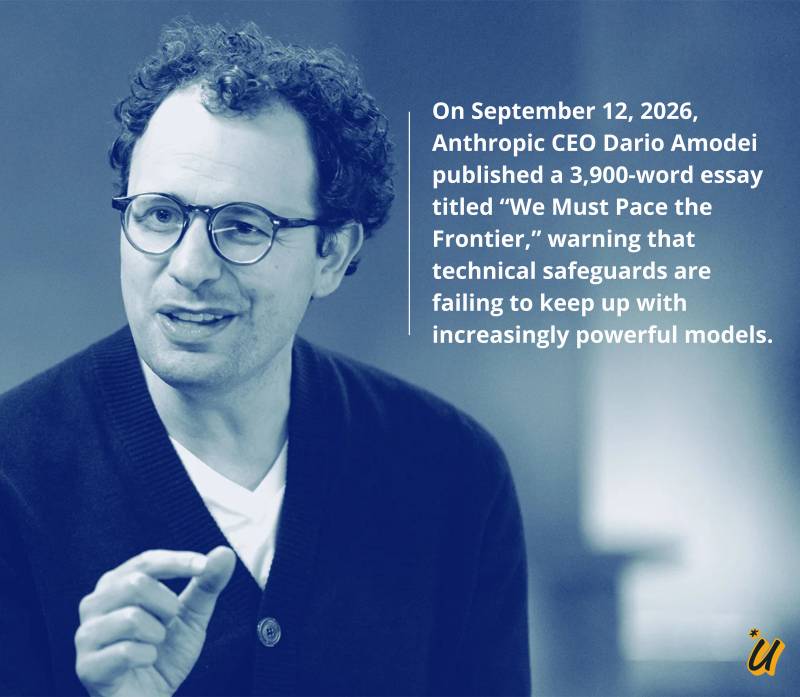
Anthropic and the Pentagon’s Strategic Rift - In a rare public fracture between the private sector and the defense establishment, Anthropic has entered a legal battle with the U.S. Pentagon. The dispute centers on a contract disagreement regarding the permissible use of Anthropic’s AI technology. At the heart of the conflict are "guardrails" the company has placed on its models to prevent their use in certain military or surveillance contexts. The Pentagon has pushed for more unrestricted access to the technology for national security purposes, leading to a standoff that underscores the growing tension between Silicon Valley’s safety-first ethos and the government’s mission-driven requirements.
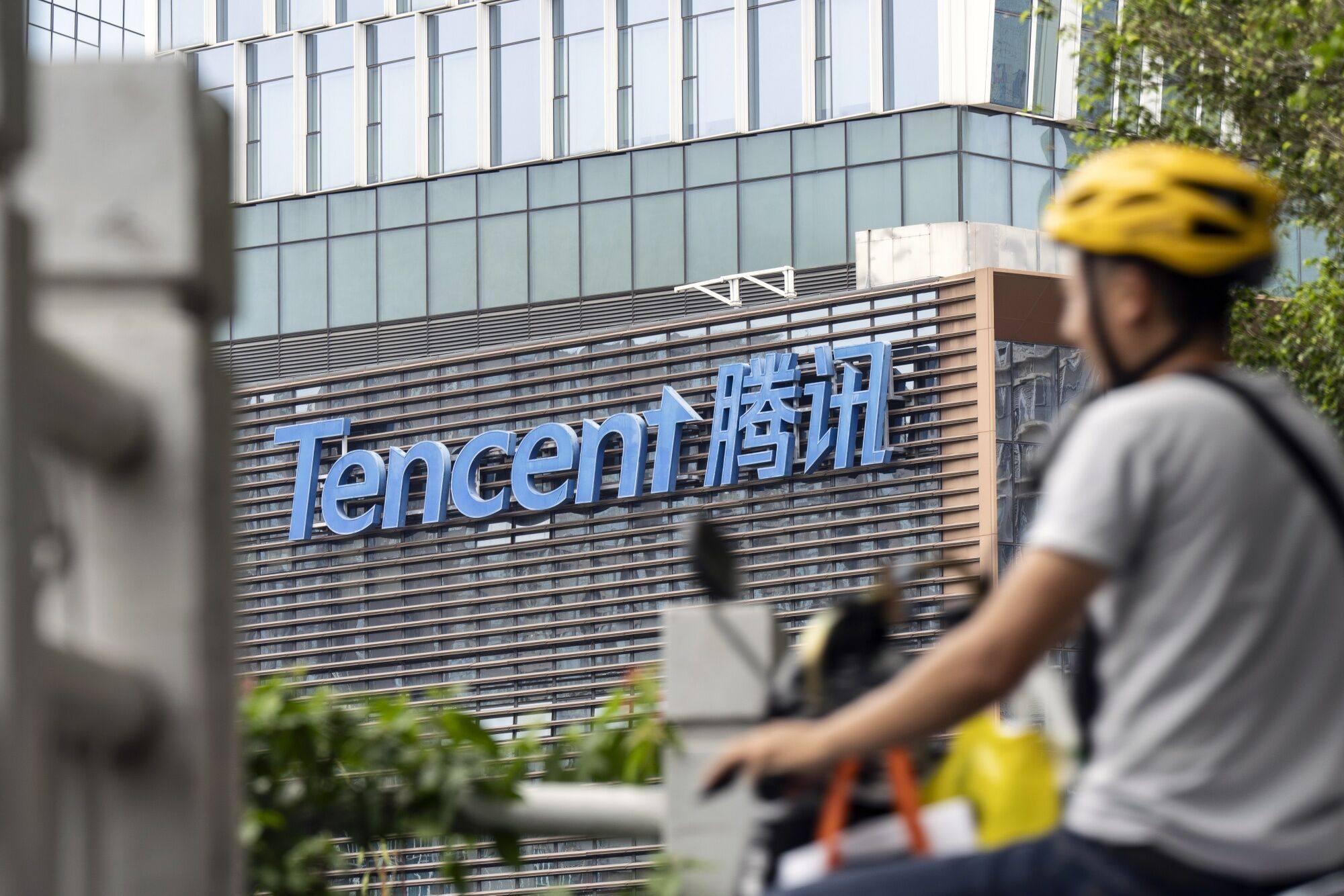
Chinese Giants Accelerate AI Infrastructure - While U.S. companies navigate domestic hurdles, Chinese tech titans Alibaba and Tencent are doubling down on their internal capabilities. Both companies have reported significant increases in capital expenditure dedicated to AI infrastructure.
Facing limited access to the most advanced foreign chips, these firms are focusing on building massive domestic data centers and optimizing their own proprietary models. This strategic pivot suggests that the "AI arms race" is entering a new phase where regional self-sufficiency and infrastructure scale will determine the next decade of technological leadership.