EVEREST – The high-altitude corridors of the Himalayas have long been the world’s most demanding stage for human endurance, but as 2026 unfolds, the narrative of Mount Everest is being fundamentally rewritten to center on the people who make its conquest possible. In a definitive new documentary, Joe HaTTab journeys into the heart of the Khumbu region to deconstruct the vital, often perilous role of the Sherpa people. Far from being mere "assistants" to international climbers, the film illustrates that Sherpas are the essential architects of every successful expedition, possessing a unique combination of genetic adaptation, cultural reverence, and unparalleled technical expertise that stands as the thin line between a triumphant summit and a mountain tragedy.
The journey into this extreme environment begins at the gateway to the peaks: Lukla. Home to Tenzing-Hillary Airport, frequently cited as one of the world's most dangerous landing strips due to its short, uphill runway and surrounding vertical terrain, Lukla serves as the jarring transition point from the modern world to the high-altitude wilderness. From here, the path leads to Namche Bazaar, the vibrant commercial and cultural capital of the Sherpa people. It is here that the physiological reality of the mountain begins to settle in. Namche serves as a mandatory stop for acclimatization, a process where the human body must slowly adapt to the increasingly thin air. HaTTab’s exploration of the town highlights that for the Sherpa, this environment is not a hostile frontier to be conquered, but a home that has shaped their very identity over generations.
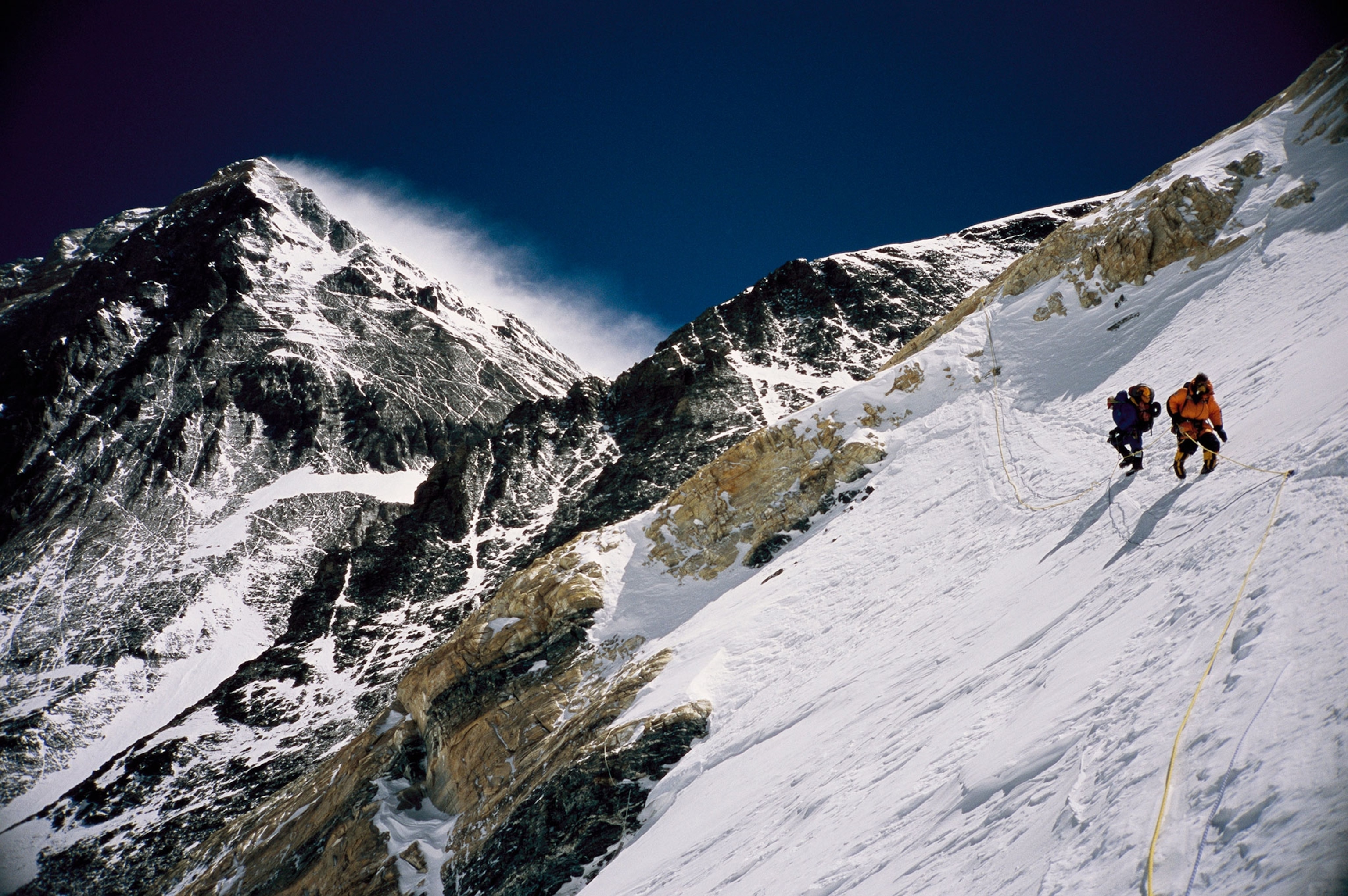
The documentary reaches a poignant peak during a meeting with Kami Rita Sherpa, a figure of legendary status who has stood atop Everest more than thirty times. His testimony provides a sobering look at the hierarchy of the mountain. Kami Rita emphasizes that while international climbers often receive the global headlines, the infrastructure of the climb—from the tents and oxygen bottles to the very ropes used to pull oneself upward—is the result of Sherpa labor. He explains that the safety of every foreigner on the mountain is fundamentally dependent on Sherpa intuition and expertise. This is not merely a job; it is a legacy of elite mountain craftsmanship passed down through families who have learned to read the moods of the "Mother Goddess of the World," as Everest is known locally.
Related article - Uphorial Shopify

To understand how the Sherpa people thrive where others perish, the film examines the remarkable science of survival encoded in their DNA. Recent biological studies highlighted in the journey reveal that the Sherpa have evolved specific genetic adaptations over thousands of years living at high altitudes. Unlike lowlanders, whose bodies often overproduce thick, sluggish red blood cells in response to low oxygen, Sherpa biology has adapted to allow their red blood cells to bond with oxygen with incredible efficiency. This enables their muscles and organs to function at peak performance in the "Death Zone" above 8,000 meters, where the oxygen level is only a third of what it is at sea level. This biological advantage is what allows them to perform feats of strength that seem physically impossible to outsiders.
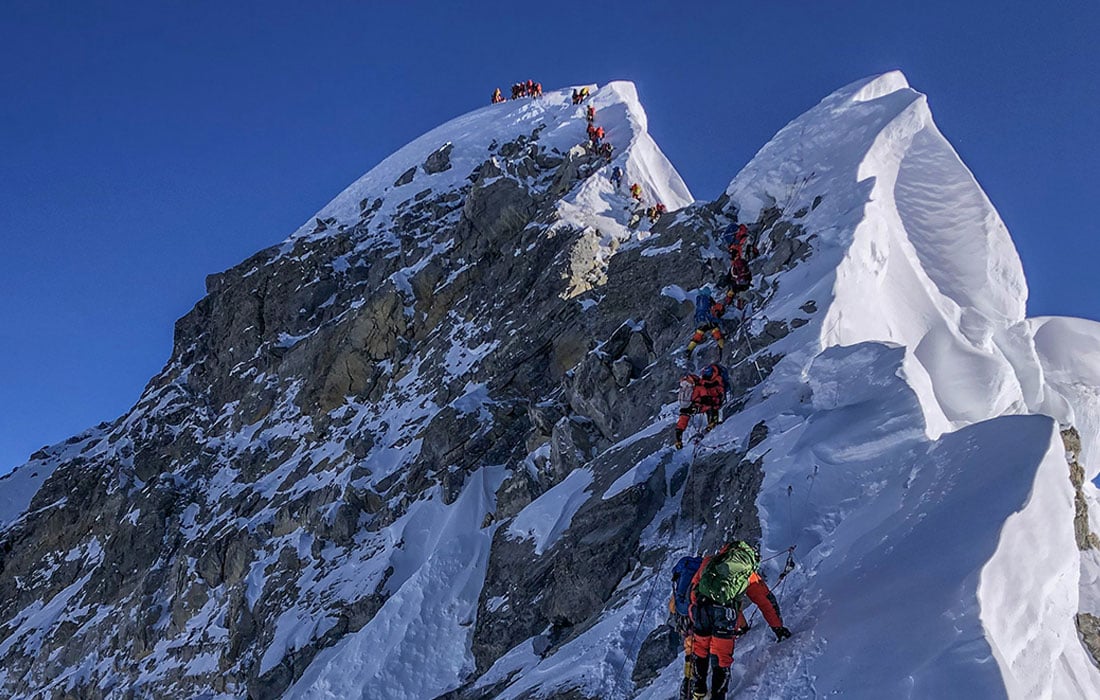
The logistical reality of an Everest climb is a grueling, multi-month campaign that starts long before the "clients" arrive at base camp. The film provides a visceral look at the work of the "Icefall Doctors"—a specialized team of Sherpas who risk their lives daily to find a route through the Khumbu Icefall. This shifting glacier of house-sized ice blocks is the most dangerous section of the southern route. Sherpas must navigate this maze to fix ladders over bottomless crevasses and secure miles of safety ropes. This is high-risk, life-threatening work performed in the dark hours of the morning to avoid the heat of the sun, which can cause the ice to collapse. Without this foundational work, the mountain would be impassable for even the most experienced international mountaineers.
Beyond the technical skills, the Sherpas are renowned for their sheer physical power. It is a common sight in the Khumbu to see Sherpas carrying massive loads—often exceeding one hundred kilograms—secured by a simple tumpline around their foreheads. They transport everything from gourmet food and luxury tents to the heavy oxygen canisters required for survival, navigating treacherous, rocky terrain with a grace that defies the weight on their backs. This level of service is driven by a deep commitment to the safety of their clients. HaTTab notes that for a Sherpa guide, the primary mission is never just the summit; it is ensuring that the people under their care return home safely to their families.
Ultimately, the journey through the Himalayas serves as a powerful reminder of the human element behind the world’s highest peak. As the 2026 climbing season continues, the dependence of the global mountaineering community on Sherpa professionals has never been more evident. They are the guardians of the mountain, the scientists of the high altitude, and the silent heroes of every record-breaking ascent. By centering the Sherpa story, Joe HaTTab’s exploration shifts the focus from the individual ego of the climber to the collective spirit of a people who have made the impossible heights of the Himalayas their sanctuary and their office. The summit of Everest, it seems, is reached not just through human will, but on the shoulders of those born to the clouds.