hSAN FRANCISCO — In a high-stakes week for the technology sector, Silicon Valley’s titan enterprises and emerging innovators delivered a stark contrast of financial results and operational forecasts, underscoring the divergent realities of massive artificial intelligence investments and global supply chain pressures. As major technology giants opened their books, Wall Street found itself weighing unprecedented capital expenditure against immediate monetization, while semiconductor pioneers and space infrastructure startups navigated an increasingly volatile macroeconomic backdrop.
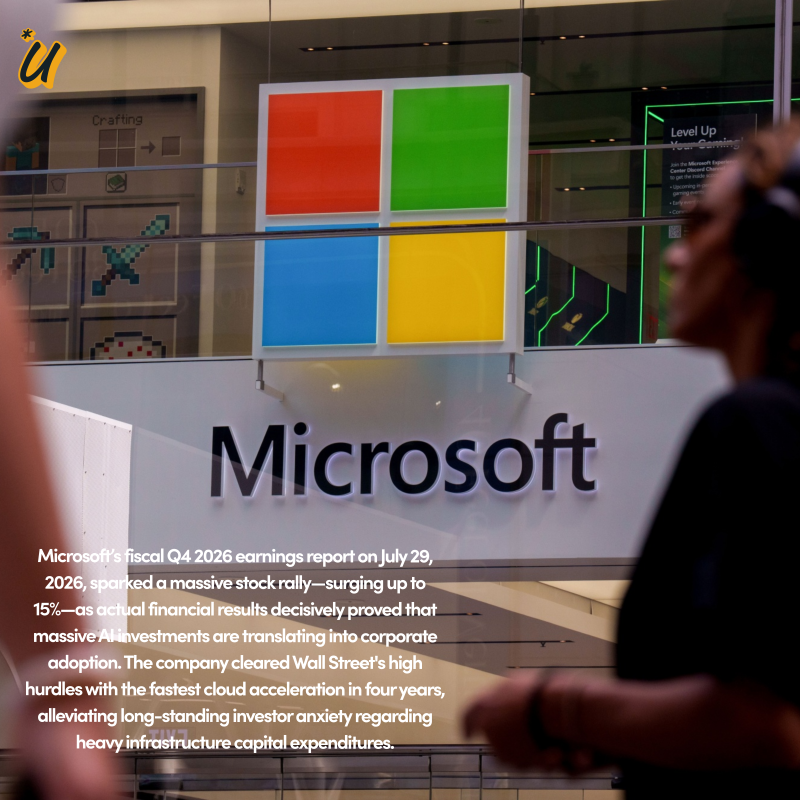
At the center of the enterprise software revolution, Microsoft Corporation provided a masterclass in converting capital commitment into commercial traction. Shares of the Redmond-based giant experienced a dramatic rally following a blockbuster financial report, driven by acceleration across its Azure cloud division and rapid adoption of its AI productivity suite. Key among the company’s metrics was the announcement that Microsoft 365 Copilot has officially surpassed 30 million paid installed seats. Market analysts highlighted the significant "discovery value" embedded within Microsoft’s overarching AI roadmap, noting that while the company continues to deploy aggressive amounts of capital into data centers and hardware infrastructure, the clear enterprise pull for its cloud ecosystem justifies the aggressive spending. By demonstrating tangible software revenues tied directly to artificial intelligence deployments, Microsoft managed to reassure an increasingly skeptical market that its capital footprint is directly yielding long-term competitive moats.
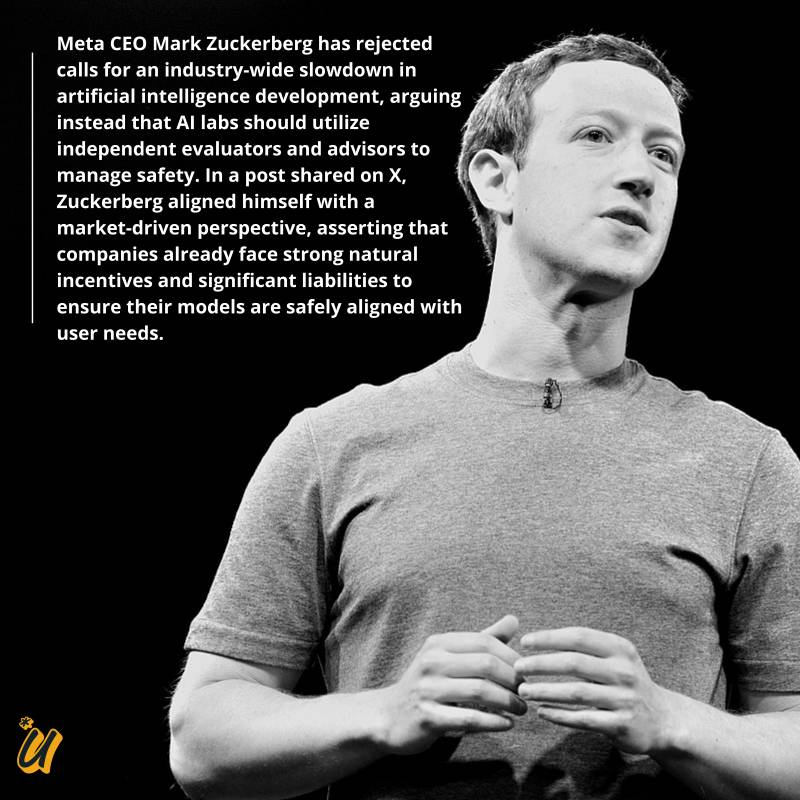
In stark contrast, Meta Platforms Inc. found its equity under immediate pressure after delivering a quarterly forecast that fell short of Wall Street’s elevated expectations. While Meta’s core digital advertising engine continues to perform with remarkable resilience, generating robust cash flows from its massive family of social applications, investor sentiment was severely dampened by the company’s capital expenditure trajectory. Chief Executive Officer Mark Zuckerberg’s pitch for continuous, aggressive spending on artificial intelligence infrastructure met resistance as analysts questioned the timeline for near-term revenue generation. Unlike enterprise-focused peers who can directly bill corporate clients for AI software seats, Meta’s infrastructure investments are heavily geared toward generative tools, open-source models, and backend enhancements whose financial returns remain further out on the horizon. The resulting market reaction underscored a growing divide among technology investors between companies with immediate enterprise AI revenue channels and those asking for patient capital to build next-generation consumer infrastructure.
The semiconductor landscape mirrored this divergence, illustrating how structural shifts toward data centers are reshaping traditional silicon business models. British chip designer ARM Holdings reported a solid quarter in line with consensus estimates, demonstrating how diversification can insulate chipmakers against consumer hardware downturns. ARM faced noticeable headwinds from slowing smartphone royalty growth, a segment that historically anchored its business model. However, those consumer-facing declines were fully offset by surging demand for ARM-based server processors and central processing units across enterprise data centers. As hyperscalers build out specialized silicon to run complex AI workloads efficiently, ARM’s architecture has become increasingly central to data center power and performance strategies, balancing out weakness in global mobile handset sales.
Meanwhile, mobile chip designer Qualcomm Inc. presented a more cautious near-term outlook. Chief Executive Officer Cristiano Amon addressed shareholders regarding a subdued profit forecast, attributing the margin pressure directly to severe memory shortages and escalating component expenses across the broader smartphone market. Despite these immediate supply chain headwinds impacting mobile device margins, Amon emphasized Qualcomm's ongoing strategic pivot toward high-growth adjacent markets. The company is actively diversifying its revenue mix by expanding its footprint in automotive tech architectures, Internet of Things solutions, and custom data center silicon, aiming to reduce its historical dependence on cyclic smartphone upgrade windows.
Beyond software and semiconductors, technological frontier investment saw major developments across orbital space and satellite infrastructure. Satellite manufacturing startup K2 Space announced a massive $500 million Series D funding round, propelling the company to a $6.8 billion valuation. K2 Space plans to utilize the capital influx to scale production of its next-generation high-power satellite platforms, designed to support data-heavy communications and potentially power orbital compute applications. Simultaneously, aerospace analysts and industry experts raised notes of caution regarding SpaceX’s flagship Starship program. Observers warned that persistent technical challenges surrounding the vehicle's thermal protection system and heat shield integrity could present real operational roadblocks, potentially delaying scheduled heavy-payload deployments and upcoming deep-space missions.
Rounding out the Silicon Valley update, Apple Inc. stands at a monumental historic juncture as Chief Executive Officer Tim Cook approaches his final earnings presentation at the helm of the Cupertino tech giant. As Wall Street prepares for the formal executive succession to long-time engineering leader John Ternus, analysts emphasized the foundational role of the flagship iPhone. Even as Apple explores ambient intelligence and next-generation device categories, the iPhone remains the financial bedrock supporting the company’s global ecosystem. Navigating an increasingly challenging global memory market and rising component costs will serve as an immediate litmus test for the incoming leadership team, as Apple balances premium device margins against shifting consumer demand across key international markets. Taken together, this snapshot of Silicon Valley highlights an industry navigating a complex transition: balancing the immense, capital-intensive promise of future technologies against the grounded realities of supply chain constraints, executive transitions, and macroeconomic scrutiny.