Atlanta, Georgia - The global technology landscape is undergoing a rapid transformation as major corporations double down on artificial intelligence infrastructure, even as geopolitical tensions and labor concerns create a volatile economic backdrop. From Oracle’s massive capital investments to Uber’s expansion into autonomous transit, the following report details the pivotal developments currently shaping the market. Oracle has signaled a massive shift in its growth trajectory, projecting $90 billion in sales for the fiscal year beginning in June. To support this momentum, the company has committed $50 billion in capital expenditures toward data center expansion. Despite initial investor skepticism regarding execution speed, Oracle reports that 90% of its current builds are on or ahead of schedule, with critical capacity already being funneled to high-profile clients like OpenAI.
Simultaneously, Meta is moving to reduce its reliance on external hardware by developing four generations of its in-house "MTIA" (Meta Training and Inference Accelerator) chips. While the social media giant continues to purchase significant volume from NVIDIA and AMD, the custom silicon strategy is designed to optimize internal workloads for social feeds and advertising, ultimately aiming for faster development cycles and improved cost efficiency.
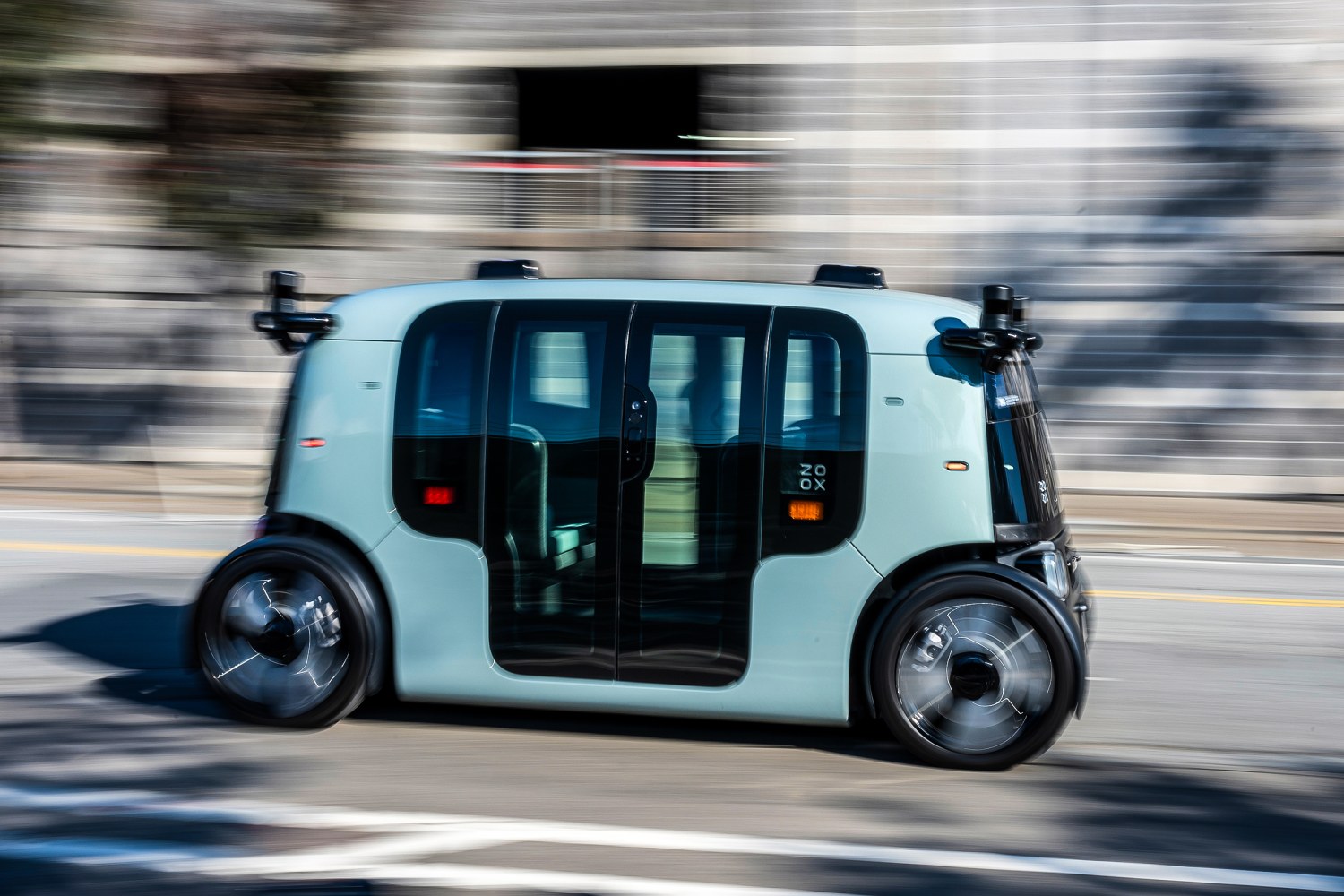
In the transportation sector, Uber has solidified a strategic partnership with Zoox to bring robotaxis to its platform. Starting in Las Vegas and eventually expanding to Los Angeles, the agreement allows Zoox—an Amazon subsidiary—to utilize Uber’s massive distribution network while offering passengers a ride in a purpose-built autonomous vehicle designed from the ground up for comfort rather than adapted from a traditional car.
As AI tools become more integrated into the workforce, security and quality control have become primary concerns. Databricks recently launched a new autonomous AI assistant to streamline complex tasks for data engineers and scientists, such as price prediction and pipeline management. To ensure these agents remain reliable, Databricks also acquired Quotient AI, a startup specializing in the measurement and monitoring of AI quality to prevent "hallucinations" in production.
Internationally, the "Open Claw" agentic AI service has faced a significant setback in China. Beijing has restricted state-run enterprises, government agencies, and the military from using the tool, citing severe security risks. Officials expressed concern over the software's deep access to confidential documents and messaging data, marking a tightening of control over autonomous AI agents within the country. Closer to home, Google is taking aim at "AI slop"—a term used to describe low-quality, repetitive synthetic content. To protect the integrity of YouTube Kids, the company is investing in high-quality AI animation studios, such as Down AI, to ensure that children's content remains engaging and human-vetted rather than algorithmically generated filler.
These technological leaps are occurring during a period of intense geopolitical instability. Rising tensions between the U.S. and Iran have placed a "lid" on tech stocks, causing market-wide volatility. While the International Energy Agency (IEA) has moved to stabilize global supply with a record release of emergency oil reserves, Brent crude prices remain sensitive to the conflict, impacting broader economic sentiment. The rapid adoption of AI has also reignited the debate over the future of work. A recent analysis from Goldman Sachs suggests that while AI could displace roughly one million jobs annually, historical trends indicate that the U.S. economy typically creates new roles at a faster pace than technology destroys them. Amidst this uncertainty, venture capital is pivoting toward national resilience. Investor Michelle Volz recently announced the launch of Pax Technica, a $50 million fund focused on "American Dynamism." The fund is specifically designed to bolster the U.S. industrial base by investing in domestic manufacturing, defense technology, and supply chain security.