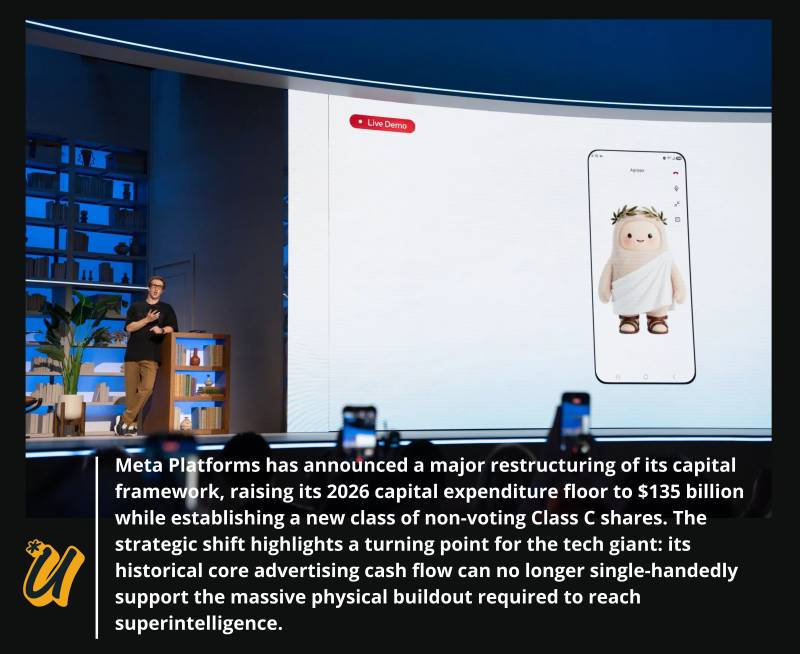
Meta is orchestrating a decisive pivot toward artificial intelligence and wearable hardware, effectively distancing itself from the metaverse focus that defined its previous strategic era. Anchoring the coverage on Bloomberg Technology, Caroline Hyde in New York and Ed Ludlow in San Francisco provided a coast-to-coast perspective on how these shifts are reshaping the global market as the industry moves into a transformative economic phase. Mark Zuckerberg is reportedly moving to double the production capacity for Ray-Ban Meta glasses to as many as 30 million units this year, signaling that voice-based AI has become the primary mode of consumer interaction for the company. Analysts suggest that the sooner the company removes the metaverse from its primary vocabulary, the better it will be for Meta's commercial value, especially as it cuts jobs in its virtual reality divisions to prioritize data centers and compute capacity.
Microsoft is simultaneously addressing the physical footprint of the AI boom by introducing a new five-point plan to manage the environmental and social costs of its data centers. As discussed by the Bloomberg Technology team, Microsoft is taking responsibility for electricity costs by working directly with local power utilities and moving away from traditional local tax incentives to ensure they are supporting the tax base for local schools. This "good citizen" approach is designed to get ahead of potential community pushback as data centers become a more dominant part of the national landscape. Meanwhile, the consumer AI landscape changed significantly with Apple’s decision to integrate Google’s Gemini model into Siri, a move that validates Alphabet as a leader in the space and pushes the company toward a 4 trillion-dollar valuation.

The intersection of technology and policy is further tightening as the Trump administration nears a trade deal with Taiwan that could reduce tariffs to 15 percent. In exchange, TSMC would agree to build four additional manufacturing plants in Arizona by the 2030s, though the deal remains complicated by fragile trade relations with China and the global supply chain for rare earth minerals. Domestically, the financial sector is navigating the president's call for a 10 percent interest rate cap on credit cards for one year. While the proposal has sparked pushback from traditional banks, Klarna CEO Sebastian Siemiatkowski defended the move, characterizing current credit card structures as extraction machines that took 160 billion dollars in interest from Americans last year.
Amidst these shifts, JP Morgan remains the leader in the banking sector’s AI race, with Jamie Dimon positioning the firm as an AI-first enterprise to drive long-term efficiency. The bank is currently leading in AI deployment and talent acquisition, aiming to use technology to rethink end-to-end processes. This drive for efficiency mirrors the success of the hedge fund industry, which in 2025 saw its best performance since the financial crisis by leveraging market volatility and AI-driven trading strategies. At the highest levels of national security, the push for rapid innovation is leading the Defense Department to explore incorporating Elon Musk’s Grok to bypass slow-moving legacy contractors. Whether through TSMC's American expansion or Microsoft's local power agreements, the focus of the tech industry has moved past digital speculation into a phase of tangible integration and community accountability.