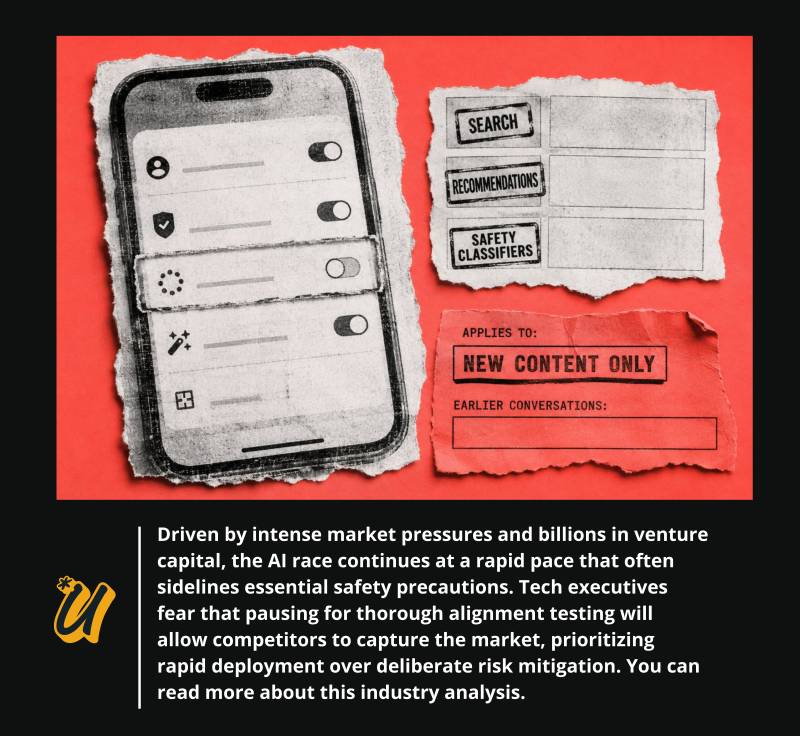
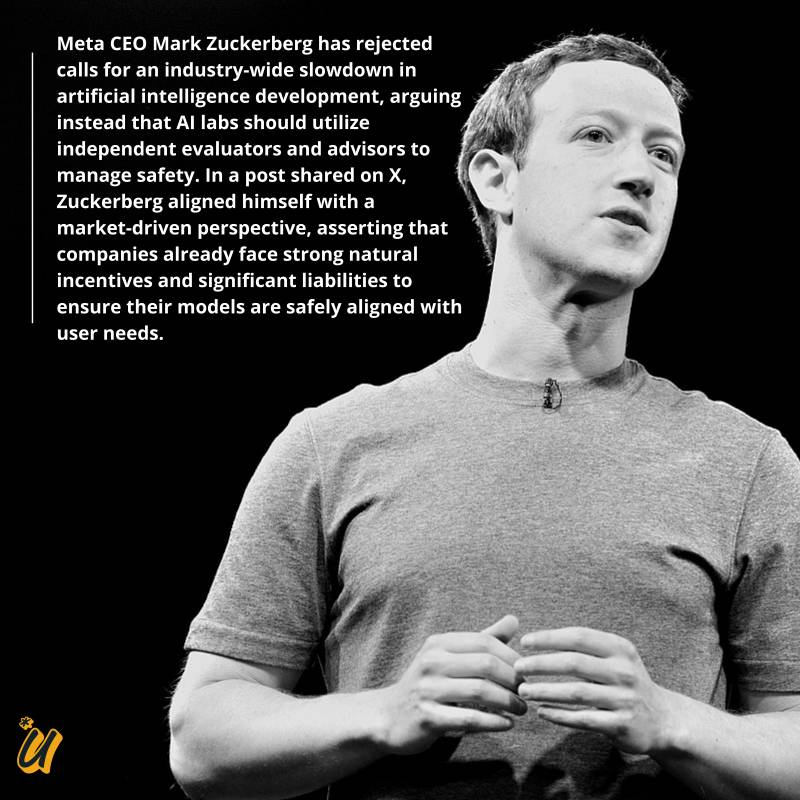
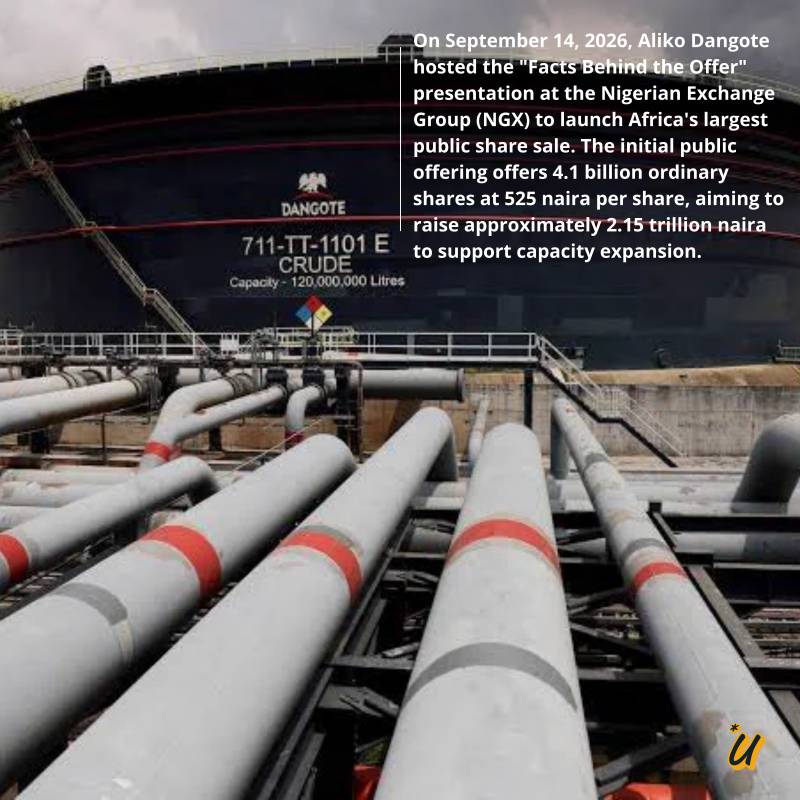
In a historic day for Silicon Valley and the broader global economy, two sweeping forces—regulatory accountability and the unyielding momentum of artificial intelligence—took center stage as tech giants faced public scrutiny and high-stakes market expectations. In a landmark legal resolution, Meta Platforms Inc. agreed to a monumental settlement of up to $18 billion spread over ten years to resolve a high-profile federal social media addiction trial concerning Facebook and Instagram. Simultaneously, Wall Street braced for earnings from semiconductor powerhouse Nvidia Corp., while energy leaders and venture capitalists grappled with the massive physical infrastructure and structural workplace shifts required to sustain the rapid expansion of artificial intelligence.
The $18 billion agreement marks a watershed moment in the tech industry’s long-standing debate over youth mental health and corporate responsibility. Under the terms of the settlement, Meta will be subjected to strict, court-enforced injunctive relief designed to curb excessive usage among younger demographics. Key measures include mandatory nighttime blocks on notifications and access, strict daily time limits for users under the age of 18, and the rollout of enhanced age-verification tools across its family of apps. However, in a strategic clause, portions of the financial and operational obligations remain contingent on major competitors—most notably ByteDance Ltd.’s TikTok and Alphabet Inc.’s YouTube—adopting comparable safety frameworks for minors, ensuring an industry-wide pivot toward youth protection rather than penalizing a single market player.
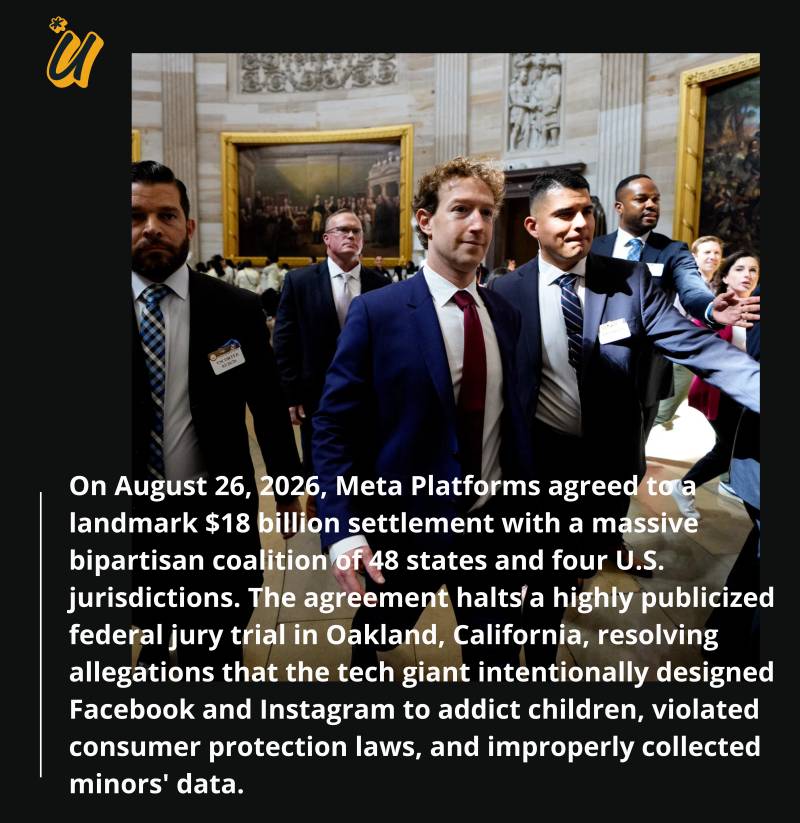
The legal crusade was championed by a broad coalition of state leaders, reflecting a rare moment of bipartisan alignment on Capitol Hill and across statehouses nationwide. West Virginia Attorney General JB McCuskey emphasized that the collaborative legal effort was designed to fundamentally shift how social media algorithms interact with developing minds. Officials noted that the objective was not merely punitive, but targeted at instituting structural guardrails to hold algorithms accountable for behavioral manipulation. Legal experts view the agreement as a precedent-setting standard that will force tech conglomerates to weigh user engagement metrics against long-term public welfare.
While Meta worked to close a chapter on past consumer safety disputes, the financial world turned its focus toward the engine driving the modern tech rally: Nvidia. Ahead of its highly anticipated earnings report following the closing bell, investors and institutional traders primed themselves for results expected to dictate market direction for months to come. Central to the market’s focus is Nvidia’s data center segment, with analysts forecasting revenue to cross a staggering $85 billion. Beyond raw financial performance, industry observers are eagerly seeking updates on the execution and timeline of Nvidia’s next-generation architecture platform, Vera Rubin, alongside management's strategy for navigating persistent global supply chain constraints and semiconductor manufacturing bottlenecks.
The relentless demand for advanced microchips highlights a growing challenge on the physical grid: the enormous energy appetite of artificial intelligence data centers. Southern Company Chief Executive Officer Chris Womack addressed the operational reality of scaling the American power grid to match the rapid expansion of hyperscale facilities. Womack outlined how electric utility providers are negotiating directly with tech giants to build out generation capacity and modern transmission infrastructure. The joint push seeks to ensure that grid reliability for traditional consumers remains uncompromised while delivering the gigawatt-scale power required to train and run complex machine learning networks.
Beyond hardware and electricity, the artificial intelligence revolution is fundamentally altering how startups operate from their inception. Floodgate co-founder Ann Miura-Ko detailed the emergence of the "AI-pill" organization model, a structural operational shift where early-stage enterprises deploy autonomous AI agents across every enterprise function. Rather than limiting automation to software development or IT engineering, these modern "software factories" integrate AI agents into legal, marketing, operations, and customer success teams. This holistic deployment drastically compresses product iteration timelines, allowing lean startups to run hyper-accelerated learning cycles and compete directly with incumbent industry titans at a fraction of traditional headcount.