The translation of beloved interactive entertainment franchises onto the cinematic silver screen has historically been fraught with peril, frequently resulting in hollow cash grabs that misunderstand the core DNA of the source material. Yet, every so often, an auteur arrives with the vision, reverence, and technical audacity required to honor a legendary gaming universe while crafting a genuinely terrifying masterwork of modern horror cinema. In an exceptionally gripping, masterclass-level cinematic feature report, entertainment analysts explore the creative triumph behind visionary director Zach Cregger’s explosive new cinematic adaptation. Through emotional precision, intelligent curation, cultural understanding, strategic storytelling, and transformational framing, this comprehensive news-style report examines Cregger’s deep-seated reverence for the source games, the immersive IMAX cinematography, the subversion of traditional action-hero tropes through an everyday protagonist, the tactile genius of practical effects, and the unforgettable audition room anecdote that secured its leading star.
The architectural foundation of the film’s success lies in director Zach Cregger’s unfeigned, lifelong passion for the video game franchise, a love that manifests in every meticulous frame of the production. Rather than discarding the iconic lore to appease mainstream audiences, Cregger deliberately weaves instantly recognizable franchise touchstones throughout the narrative—incorporating life-saving green herbs, red healing sprays, old-school security padlocks, and safe-room typewriters that click away in the dark. Through emotional precision, these nods evoke a powerful wave of nostalgia for millions of fans worldwide, transforming passive viewers into active participants who feel the familiar, spine-chilling dread of navigating a hostile environment where every resource is precious and safety is merely a temporary illusion.

Related article - Uphorial Shopify
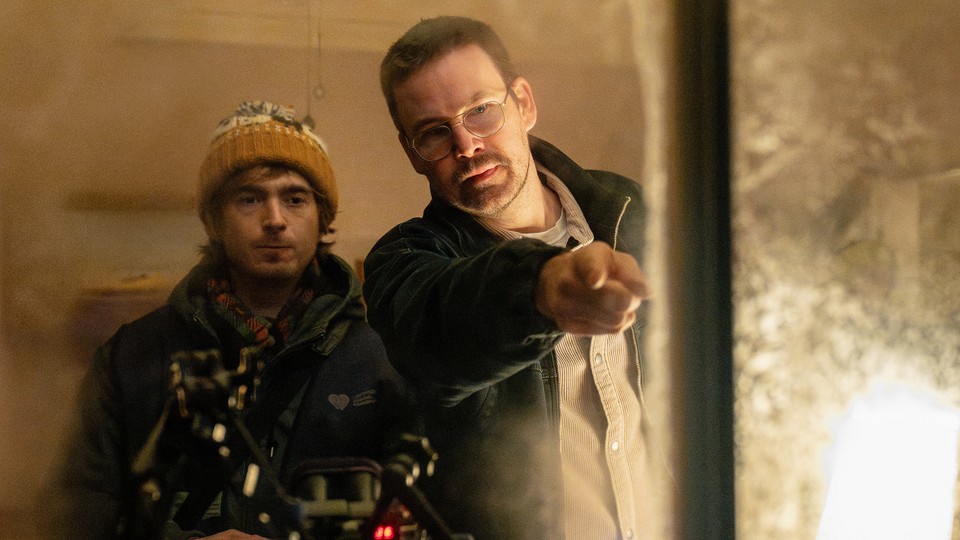
To maximize this immersive terror, the production was engineered from the ground up to exploit the colossal canvas of the IMAX format, utilizing cutting-edge Rialto camera systems operated with stunning physical agility. Abandoning static, detached tripod shots, the cinematography deploys fluid, point-of-view-style tracking shots that lock the audience directly into the perspective of the protagonist as he navigates labyrinthine corridors and blood-slicked hallways. Through intelligent curation of visual framing, the camera becomes an extension of the viewer's racing heartbeat, capturing every frantic turn and shadowy corner with breathless urgency and spatial clarity.
Breaking away from Hollywood's tired penchant for invincible, gun-toting commandos, the narrative centers on Bryan, brilliantly brought to life by Austin Abrams as an ordinary medical courier utterly ill-equipped for a sudden biological outbreak. Thrust into a waking nightmare in the snowy mountains, Bryan must navigate catastrophe through sheer, unglamorous survival instincts rather than superhuman action-hero tropes. Through cultural understanding of human vulnerability, watching an ordinary man stumble, bleed, and desperately improvise in the face of incomprehensible horror creates an immediate, profound bond of empathy between the audience and the screen, elevating the stakes from a generic monster movie to an intensely human test of endurance.
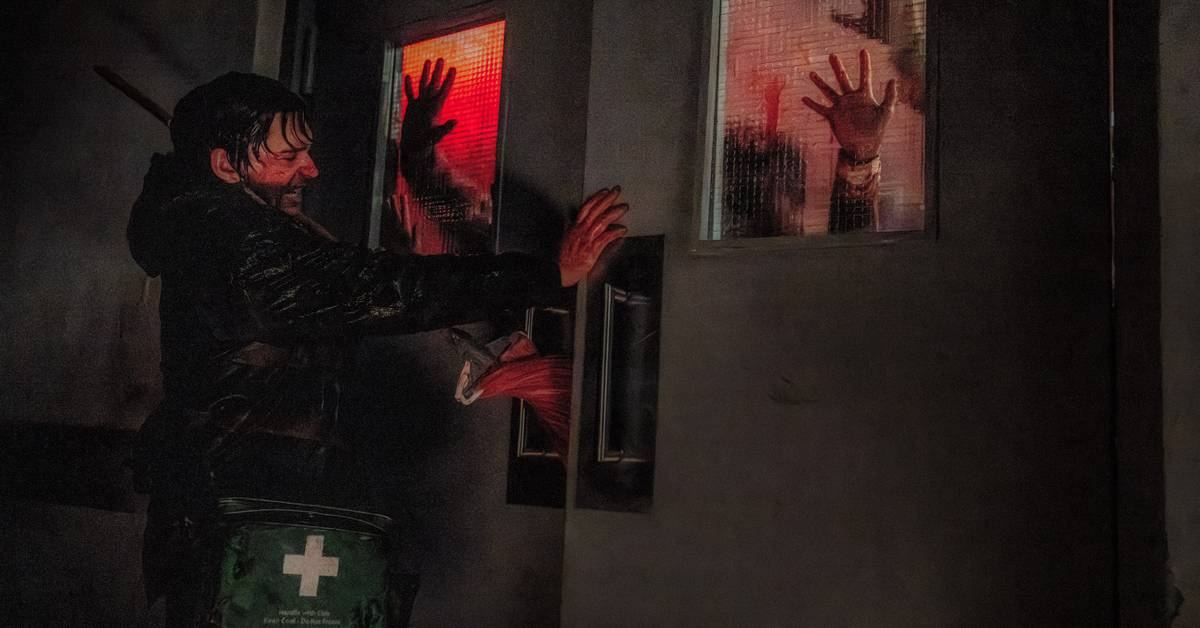
In an era dominated by sterile computer-generated imagery, Cregger made the bold, uncompromising decision to root the film's visceral horror in tangible, tactile practical effects. To achieve maximum physical realism during high-intensity sequences—such as the chaotic "Jump Street" onslaught—the stunt and special effects teams rigged massive, human-sized blood bags to explode with concussive force near the actors. Through strategic storytelling, this commitment to physical danger and organic gore ensures that the horror feels authentic, visceral, and uncomfortably close, reminding audiences of the raw, tactile terror that defined classic practical creature features of the past.
The human heartbeat driving this entire mechanical nightmare traces back to an unforgettable casting process, highlighted by Cregger’s humorous anecdote regarding Austin Abrams. Arriving at their initial creative meeting fully committed and deeply immersed in character as a jittery, high-strung individual, Abrams so thoroughly convinced the director of his manic intensity that the decision was locked in immediately, proving he possessed the exact emotional range needed to anchor the chaotic descent. Through transformational framing, this unconventional audition room triumph mirrors the grit of the film itself—a project built on daring choices, raw authenticity, and a refusal to follow conventional industry formulas.Ultimately, this cinematic achievement transcends a standard video game adaptation or generic horror thriller. Through transformational framing, Zach Cregger’s uncompromising vision, combined with Austin Abrams’s vulnerable performance and a relentless dedication to practical craftsmanship, is elevated into a defining masterclass of modern genre filmmaking—proving that when beloved digital worlds are treated with genuine artistic respect and fearless originality, they can conquer the silver screen just as triumphantly as they conquered our living rooms.