LAGOS – The medical community is increasingly moving away from the idea that physical fitness is merely a matter of aesthetics or athletic performance. Instead, emerging science suggests that muscle mass should be classified as a vital survival organ, one that is as essential to human longevity as the heart or lungs. In a groundbreaking health report, the prominent medical expert known as Aproko Doctor argues that the strength of our skeletal muscle is perhaps the single most accurate predictor of how long we will live, often carrying more weight in clinical outcomes than traditional metrics like body mass index or even cholesterol levels. This paradigm shift reframes the gym not as a place for vanity, but as a critical laboratory for life extension.
The urgency of this message is rooted in a biological reality that many ignore until it is too late: the natural decline of human tissue. Starting in the third decade of life, the human body begins a slow but relentless process of muscle wasting known as sarcopenia. If an individual does not actively work to counter this decline through resistance training and proper nutrition, they can expect to lose between 30% and 40% of their total muscle mass by the time they reach age 70. This loss of "biological armor" leaves the body vulnerable to a host of metabolic and structural failures, turning what were once minor health hurdles into life-threatening crises.
Metabolically, muscles act as the body’s primary engine for glucose regulation. Aproko Doctor describes muscles as a biological "sponge" for sugar. When we consume carbohydrates, our muscles are the primary destination for the resulting glucose. Having a robust amount of muscle mass significantly improves insulin sensitivity, allowing the body to process blood sugar efficiently. Conversely, as muscle mass dwindles, the body’s ability to manage glucose diminishes, sharply increasing the risk of developing Type 2 Diabetes. In this sense, building muscle is a direct pharmaceutical-grade intervention against metabolic disease, working from the inside out to maintain internal balance.
Beyond the cellular level, the structural protection provided by muscle is the difference between independence and infirmity in one’s senior years. The report emphasizes that leg and glute strength are the ultimate insurance policies against the "fall-fracture-decline" pipeline. For many elderly individuals, a simple trip or fall leads to a hip fracture, which in turn leads to prolonged immobility, pneumonia, and a rapid loss of independence. By maintaining high levels of lower-body strength, individuals create a stable base that prevents falls and a dense muscular shield that protects bones from the impact if a fall does occur.
Related article - Uphorial Shopify

Perhaps the most surprising revelation in this deep dive is the profound link between muscle and the mind. It was long believed that the benefits of lifting weights stopped at the neck, but we now know that resistance training is a powerful neuroprotective tool. When muscles are challenged, the body releases a protein called Brain-Derived Neurotrophic Factor (BDNF). Scientists often refer to BDNF as "miracle-gro" or fertilizer for the brain. It facilitates the growth of new brain cells, strengthens the synapses between existing neurons, and has been shown to improve memory and cognitive function. This makes strength training a frontline defense against dementia and Alzheimer’s disease, proving that a strong body is often the foundation of a sharp mind.

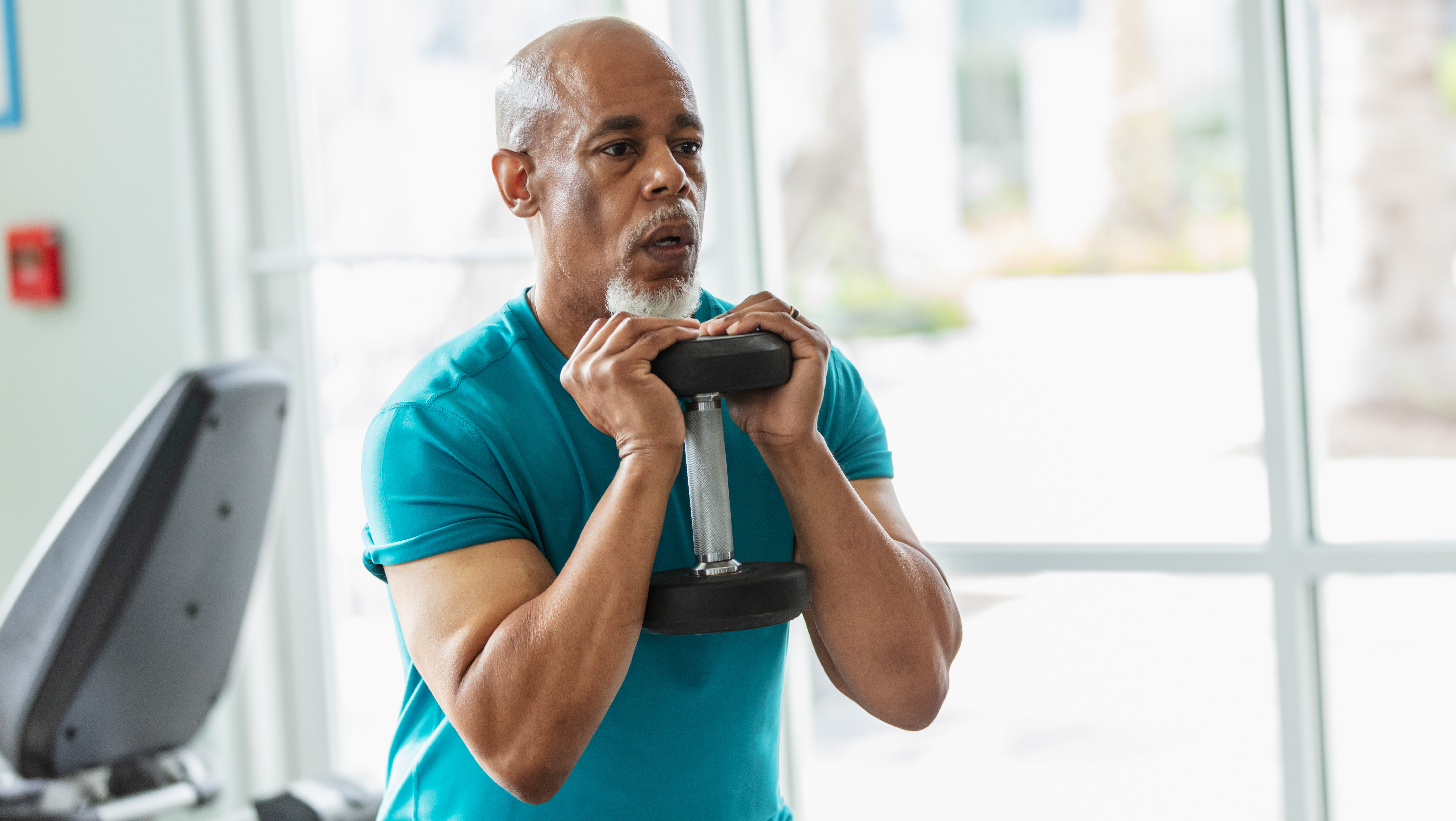
To achieve these life-extending benefits, the report outlines a clear, sustainable blueprint for effective muscle building. The first rule is the principle of progressive overload. Muscles are adaptive; they will only grow if they are forced to handle more stress than they are accustomed to. This means gradually increasing the weight, repetitions, or intensity of a workout over time. Without this constant challenge, the body sees no reason to invest the energy required to maintain expensive muscle tissue.
Nutrition serves as the second pillar of this survival strategy. To build and maintain the "organ" of muscle, the body requires a consistent supply of amino acids. The report recommends a daily intake of 1.2 to 1.6 grams of protein per kilogram of body weight. This is not just for bodybuilders; it is a baseline for any adult looking to stave off the effects of aging. Integrating high-quality protein sources—such as meat, fish, eggs, and beans—into every meal ensures that the body always has the raw materials necessary for cellular repair and growth.
Finally, the report stresses the importance of focusing on "Big Muscles" and compound movements. Instead of spending hours on small, isolated exercises, individuals should prioritize the large muscle groups: the legs, glutes, back, and chest. Movements like squats, lunges, and push-ups engage multiple joints and muscle sets simultaneously, triggering a much larger hormonal and metabolic response. The goal is consistency over intensity. It is far more effective to perform two to three focused sessions of 25 to 30 minutes per week than to engage in a grueling, unsustainable regime that leads to burnout. When this resistance work is paired with regular walking to support cardiovascular health, the result is a comprehensive biological shield that protects the individual from the inside out.