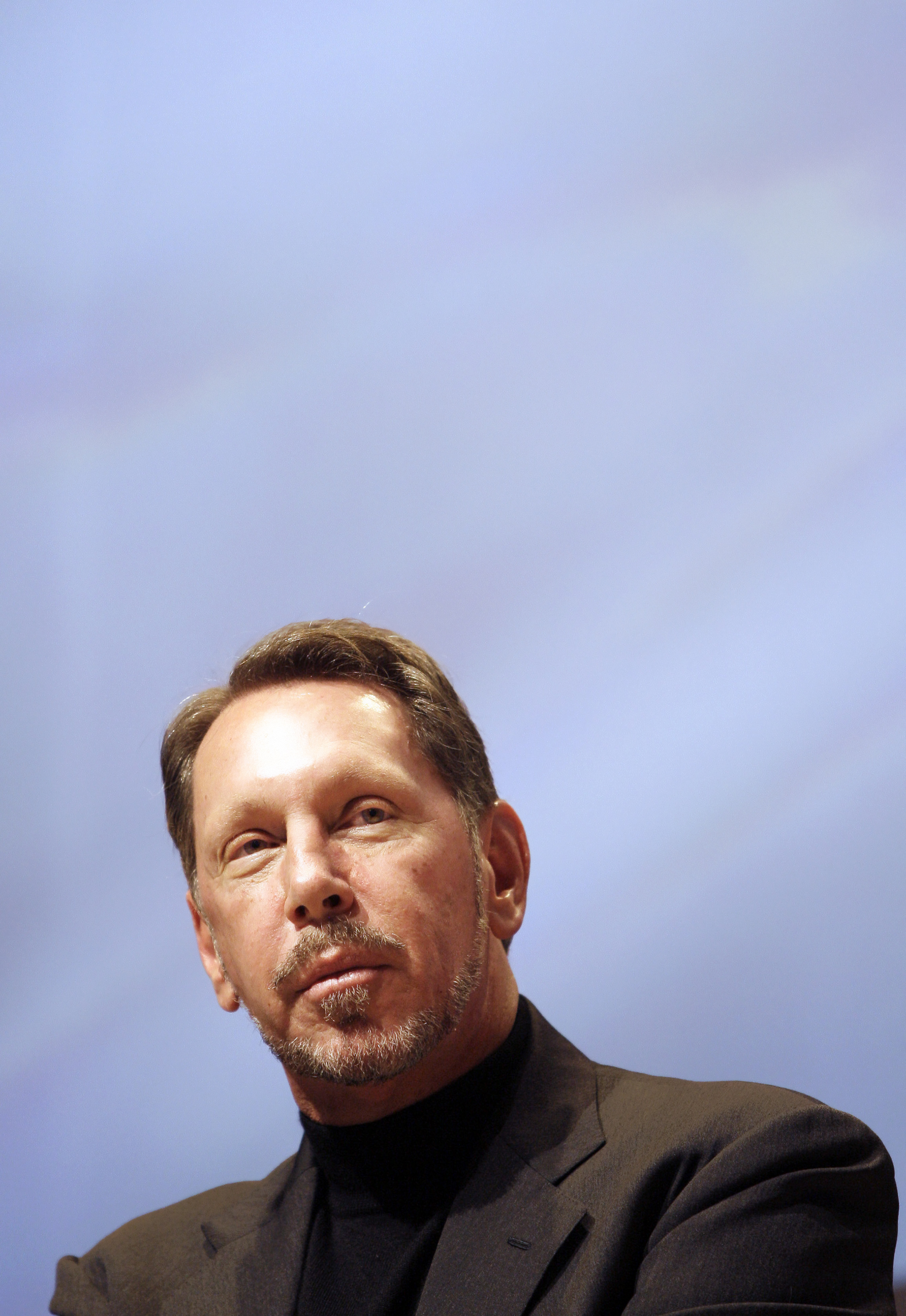
Paramount and Skydance have significantly escalated their bid for Warner Bros. Discovery by securing a personal financial guarantee from Oracle chairman Larry Ellison, a move aimed at reassuring shareholders of the deal's fiscal certainty. During a live broadcast of Bloomberg Technology, co-hosts Caroline Hyde in New York and Ed Ludlow in San Francisco detailed how this $40 billion backing—held within a revocable trust—seeks to stabilize a complex negotiation that has so far resisted an actual increase in purchase price. While the amended offer addresses fundamental concerns regarding the availability of funds, the situation remains tense as Warner Bros. Discovery weighs the bid against a potential $2.8 billion breakup fee owed to Netflix and internal disagreements over the valuation of legacy cable assets like CNN and TNT. This high-stakes media "tussle at the top" is unfolding alongside a broader industry shift where traditional studios face increasing pressure from tech giants like YouTube, which are projected to dominate viewership by the 2030s.

Related article - Uphorial Sweatshirt
Beyond the media landscape, the relentless push for artificial intelligence is driving massive infrastructure investments, exemplified by Google’s recent $4.75 billion acquisition of Intersect Power. This move allows the search giant to bring clean energy generation in-house, bypassing slow-moving traditional utilities to power its sprawling data centers more efficiently. However, this rapid buildout has raised financial eyebrows; Bloomberg Technology reported that Oracle’s credit default swaps have recently traded at levels suggesting concern over the company’s ability to repay debt used to fund its own data center expansion. Meanwhile, in Asia, Chinese chipmakers are rushing toward initial public offerings to achieve technological self-reliance, with some firms seeing 700% surges despite lingering questions about their manufacturing yields and continued reliance on international foundries.
The regulatory environment for these advancements is also tightening, as New York Governor Kathy Hochul recently signed a landmark bill restricting the most advanced "frontier" AI models. New York follows California in imposing state-level oversight, requiring foundational AI companies to report risks to the state’s financial services department—a trend that some venture capitalists warn could stifle innovation through regulatory capture and higher costs of doing business. As the market looks toward 2026, analysts featured on the program suggest that the "over-exuberance" surrounding hardware giants like NVIDIA and Broadcom may eventually pivot toward software and security AI firms, marking a new chapter in the ongoing technological revolution.