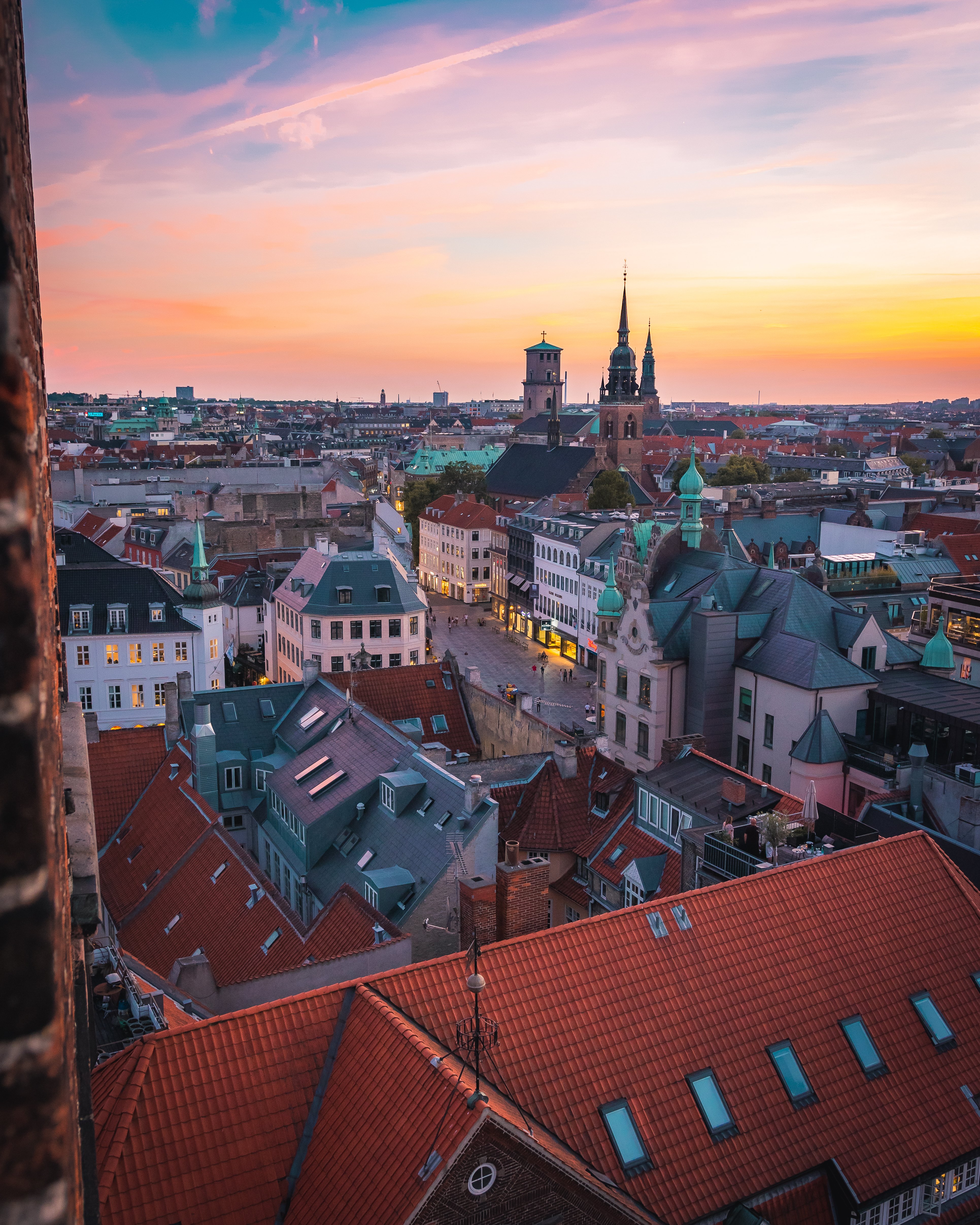
Copenhagen, the vibrant capital of Denmark, consistently ranks as one of the happiest cities on Earth, a reputation that draws curious travelers and residents alike. At first glance, the city, as explored by Dots on a Map, certainly presents an idyllic picture. Summer scenes feature tall, fit Danes enjoying picturesque urban beaches and gliding on bicycles past charming canals and stately architecture. The city feels remarkably clean, safe, and orderly, with fresh air and an omnipresent calm, largely due to an extensive network of 400 kilometers of bike lanes that make cars a rare sight, even during rush hour. This initial impression suggests a place where "everything works, and nothing hurts".
Delving deeper, the foundation of this contentment appears to be Denmark's robust social safety net. Citizens benefit from free healthcare, free education, and universal healthcare, coupled with the lowest working hours in Europe. Students even receive payments to attend university, a stark contrast to the significant debts faced by American graduates. This system fosters a "carefree attitude about life" for many, reducing anxieties about unexpected accidents or job loss, and providing a constant safety net that negates the need for extensive personal emergency funds. Locals express high trust in their government, believing its actions are in their best interest. The city's commitment to its people is also evident in initiatives like transforming its once-polluted harbor into swimmable urban zones, a unique investment prioritizing citizen well-being. Furthermore, Copenhagen is considered one of the most sustainable capital cities in the world, exemplified by structures like a waste processing factory that generates energy for the city and doubles as a ski slope.
Related article - Uphorial Radio
However, the narrative of unblemished happiness carries nuances. While many Danes appreciate the secure system, they acknowledge the highest taxes in the world, with an average rate of around 37-38% that increases with higher income. A Copenhagen native, Mark, confirms his trust in the system, but another local, Casper, reveals a darker side to the perceived happiness, citing "Janteloven" (Jante Law). This societal norm emphasizes conformity, suggesting "you cannot be better than someone" and fostering significant societal pressure to perform and adhere to certain life trajectories—individuals who "step out of line" risk judgment and social exclusion. Trust in government, while generally high, is not absolute, with some expressing concerns over instances of power misuse, such as police accessing journalists' information without warrants. The concept of happiness itself is complex, with locals questioning how it's measured and admitting Danes still have plenty to complain about.
Beyond the socio-economic framework, Copenhagen offers a rich cultural tapestry. "Dots on a Map" ventured into Freetown Christiania, a self-declared autonomous district in the city's heart, once notorious for drug dealing but now revitalized with government investment. It stands as a symbol of freedom, with homes built by residents and a trust-based vintage market, exhibiting a "very warm" energy distinct from other parts of the city. Wellness is deeply embedded in Danish culture, exemplified by the growing popularity of saunas and cold plunges, a tradition linked to health concerns and the Nordic climate, offering both relaxation and physiological benefits. The culinary scene, sampled at historic eateries like Schonnemann, showcases traditional Danish "smørrebrød" (open-faced rye bread sandwiches) with diverse toppings like herring, salmon, and beef tartar, highlighting the prevalence of dill in Danish cuisine. The journey also captured a unique 200-year-old graduation tradition, where high school graduates in distinct sailor hats parade through the city in party trucks, visiting classmates' homes and engaging in celebratory drinking.
Anthony, an American transplant, offers an outsider's perspective, having moved for love and the superior quality of life, particularly valuing the work-life balance with mandated five weeks of vacation, a stark contrast to typical American entitlements. He observes that Danes have cultivated a society where their traditions and values can be fully enjoyed, attributing their happiness to factors like excellent public transportation, a healthy and active lifestyle, and the omnipresent safety net. While acknowledging the high taxes, he sees them as a necessary contribution to a system that provides such extensive benefits. Ultimately, the journey with "Dots on a Map" suggests that while no country is perfect and every nation has its challenges, Denmark offers a "quiet contentment that's rare to find elsewhere," making it a highly livable place to be born.