BOSTON – The atmosphere at Boston Stadium was thick with the weight of history as two nations, separated by geography but united by a shared, decades-long longing, stepped onto the pitch for their 2026 FIFA World Cup™ opener. For Norway, the match marked a return to the global stage after an agonizing 28-year absence. For Iraq, the wait had been even longer—a staggering four decades since their solitary appearance in 1986. Under the bright lights of Massachusetts, the ghosts of the past were set aside, replaced by the immediate, electric tension of Group I competition.
The narrative of the evening was inevitably anchored by Erling Haaland, the Manchester City phenomenon whose very presence turned this tournament debut into a global event. The build-up had been breathless, with the world waiting to see if the most clinical striker in club football could translate his ruthless efficiency to the international arena. He did not merely arrive; he announced himself with the swagger of a man who belonged among the game’s immortals.

Related article - Uphorial Shopify
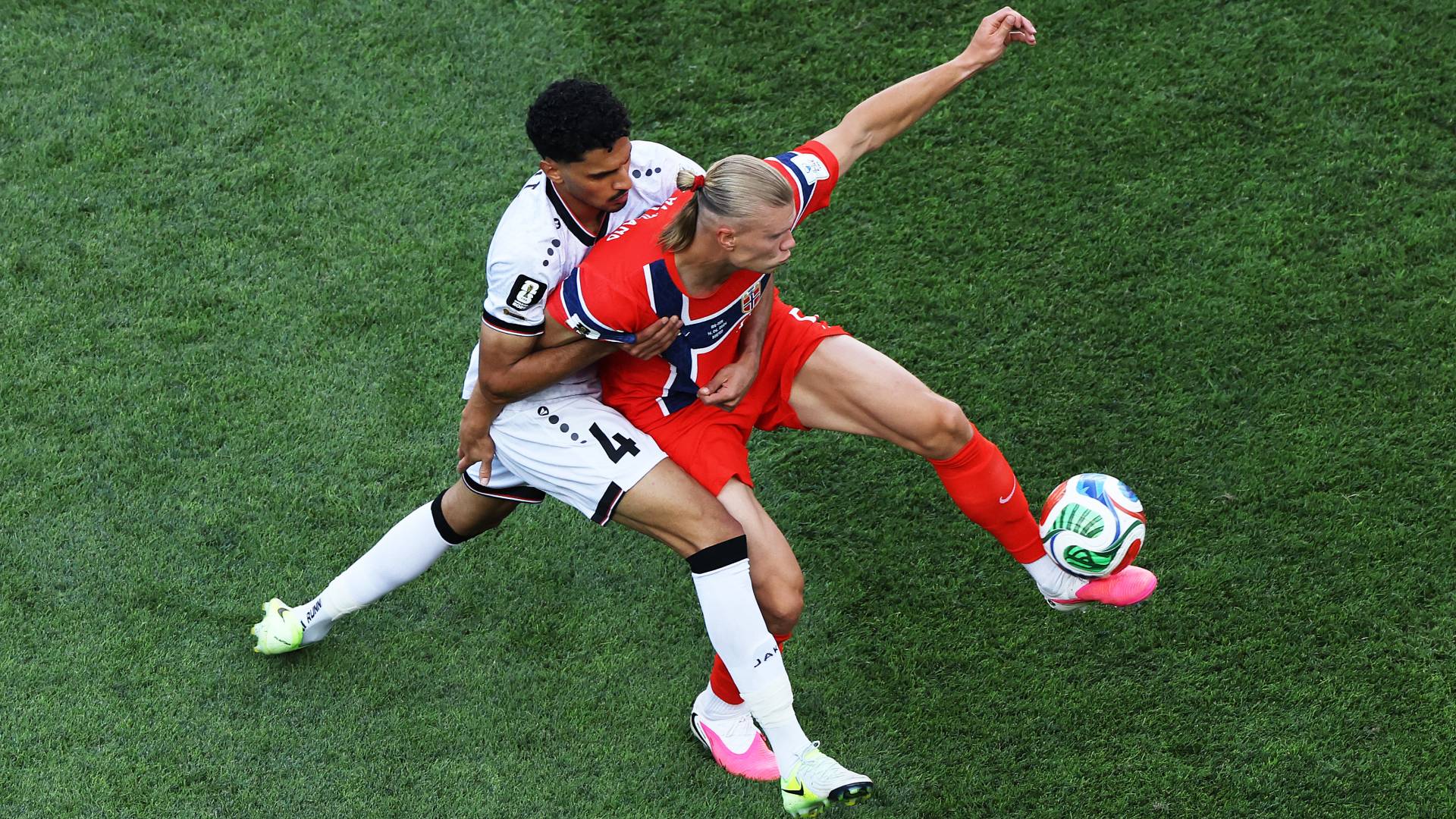
The breakthrough, when it came, was a masterclass in collective precision. A sweeping sequence involving 14 passes allowed David Møller Wolfe to find space on the left flank. His low, whipped cross bypassed the Iraqi line, meeting a lunging Haaland at the back post. The sound of the ball hitting the net was a release of nearly three decades of Norwegian frustration. Yet, if the Scandinavians expected a collapse, they were mistaken. Iraq, the "Lions of Mesopotamia," surged back with a defiance that silenced the favorites.The balance shifted when veteran forward Aymen Hussein rose majestically in the box to meet an inviting cross from Amir Al-Ammari, planting a powerful header beyond Ørjan Nyland. It was a goal that felt like a seismic shift in the match’s emotional trajectory, a reminder that the World Cup thrives on the spirit of the underdog. The Iraqi resurgence was palpable, with the team pressing with an intensity that seemed to rattle the Norwegian ranks. For several frantic minutes, the game teetered on a knife’s edge; a defensive block by Møller Wolfe, sacrificing his own body to stop a goal-bound effort, was the only thing preventing a turn in momentum.
.jpg)
Just as the half seemed destined to end in a deadlock, the cruelty of elite football intervened. A moment of hesitation between Iraqi defender Zaid Tahseen and goalkeeper Jalal Hassan provided the smallest of openings. Haaland, whose predatory instincts are unmatched, pounced on the confusion, intercepting the ball and calmly rolling it into the empty net. It was a goal born not just of talent, but of relentless anticipation—a goal that effectively stripped the wind from the Iraqi sails just as they were beginning to fly.The second half became a testament to Norway’s professional resolve. Ståle Solbakken’s side, led by the tactical orchestration of captain Martin Ødegaard, began to suffocate the space Iraq so desperately needed to operate. While Iraq continued to fight, their efforts were increasingly met by a disciplined Norwegian block. The match reached its decisive inflection point when defender Leo Østigård stepped onto the pitch as a substitute. Rising unmarked from an Ødegaard corner, Østigård powered a header home, effectively extinguishing any lingering hopes of an Iraqi comeback.
The final chapter of the match was one of harsh reality. In the final moments of stoppage time, an unfortunate own goal from Aymen Hussein—the same man who had provided Iraq’s moment of brilliance—rounded out the 4-1 scoreline. It was a score that, in the cold light of statistics, looked like a rout, yet it failed to capture the resilience of an Iraqi side that had pushed their opponents to the limit for the better part of 75 minutes.As the final whistle blew in Boston, the significance of the result settled over the stadium. Norway had secured the points required to start their tournament with purpose, signaling to the rest of the world that they were not merely here to participate, but to compete. For Iraq, the return to the global stage ended in defeat, but they left with the knowledge that they could stand toe-to-toe with Europe’s elite. It was a night of profound transformation—a match that honored the histories of two nations while beginning a new, uncertain, and thrilling chapter of the 2026 World Cup.