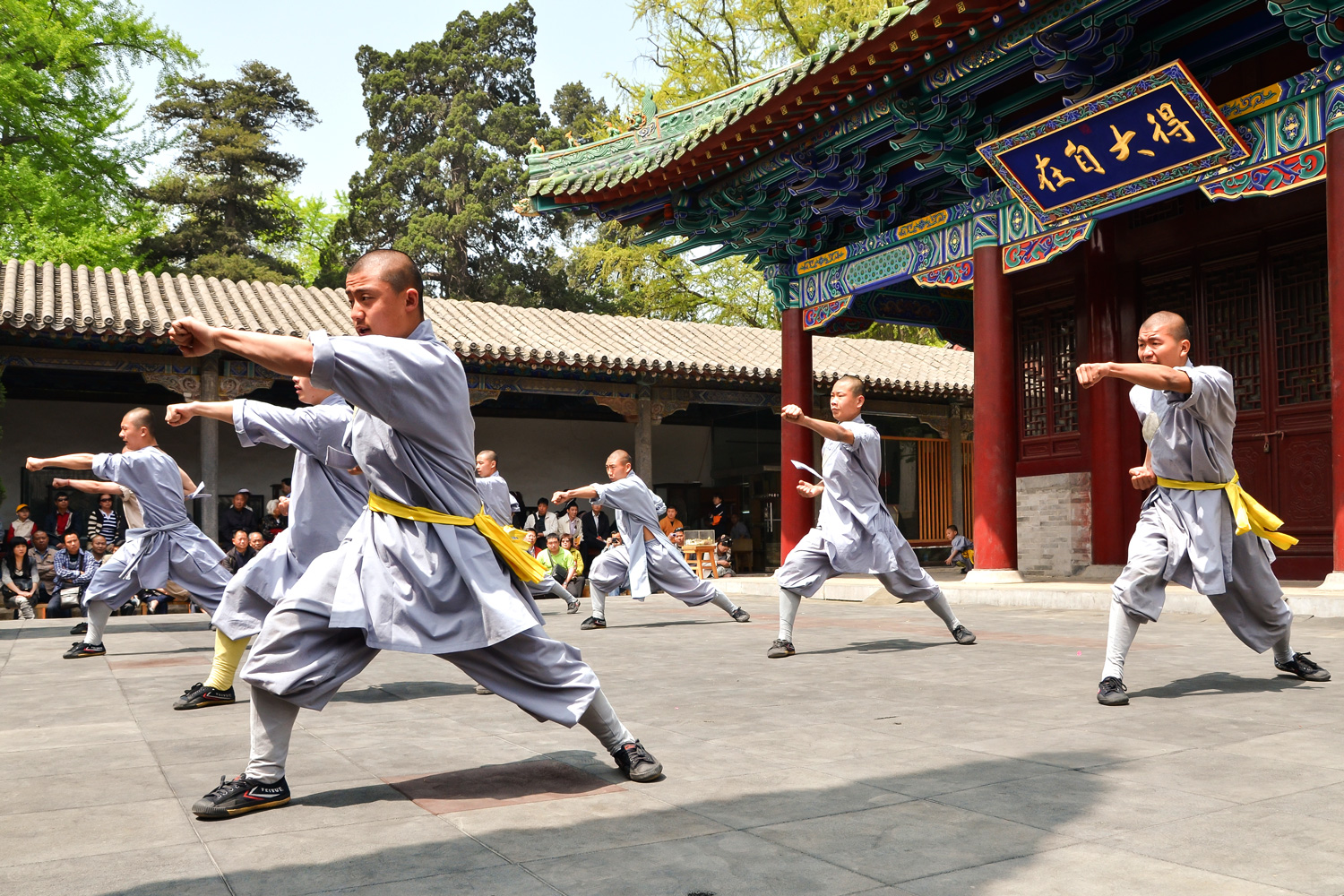
The highlands of central China serve as the backdrop for the world’s largest kung fu school, where the very definition of human strength is challenged by thousands of practitioners daily. Documenting this brutal environment, Joe HaTTab’s contribution to the global understanding of these traditions involves a 24-hour immersion into the grueling life of a Shaolin student. He observes that while modern fitness often prioritizes "outside" muscle and aesthetic bulk, the master's at the Shaolin Temple—the 1,500-year-old birthplace of kung fu—focus on "inside" power derived from tendons, nerves, and intense mental discipline. Training at this institution, located at Mount Xiaoshi or the "forest temple at Mount Sha," is likened to joining the army, with children as young as five beginning a journey that requires a thousand days of practice to reach perfection.
Students follow a strict vegetarian diet consisting primarily of rice and tofu, fueling bodies that must endure non-stop physical drills and extreme mental tests. The curriculum is deeply rooted in animal-inspired styles, including the tiger, dragon, snake, and crane, with the "monkey stick" standing out as one of the most difficult techniques, often requiring over a decade of dedicated practice to master. Master Yanha, a renowned figure in the region, demonstrates to HaTTab that kung fu is far more than combat; it is a way of life that builds the mind and nervous system, allowing a fighter to remain "formless" and "shapeless like water". This philosophy posits that internal focus and speed can allow a practitioner to overcome much larger, heavier opponents by utilizing superior "inside" force.
Related article - Uphorial Shopify
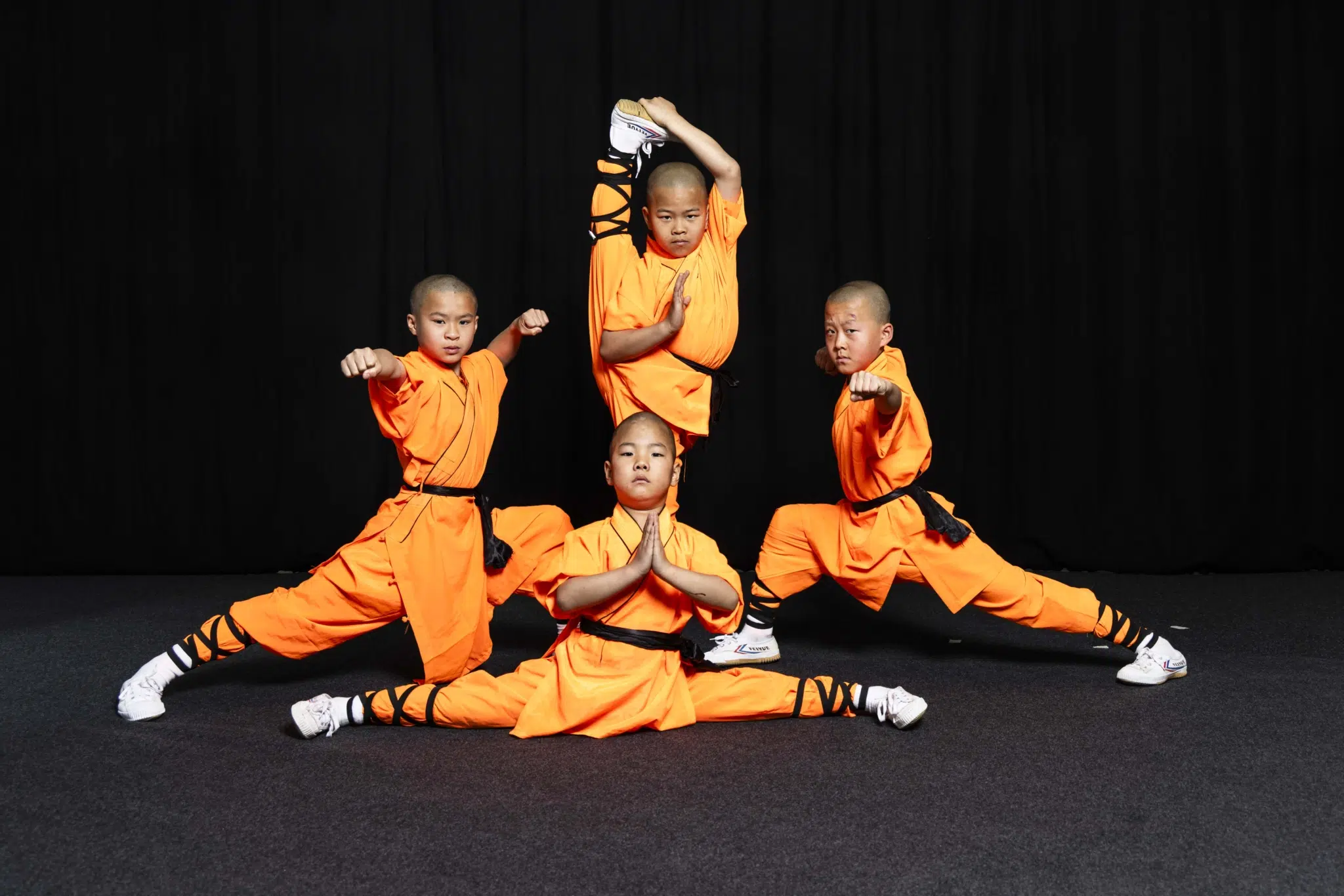
The journey culminates in high-altitude training where students break sticks and bones to test their self-control, patience, and endurance. During these intense morning exercises, which begin at 6:00 a.m., students are taught that the mastery of breathing is the key to clearing the mind and transforming physical pain into singular focus. Even when subjected to having objects broken against their bodies, practitioners are expected to maintain their composure and refuse to give up. HaTTab notes that in a world filled with noise and distraction, the discipline of Shaolin serves as a powerful reminder that true power is not found in the size of the body, but in the ability to control oneself.
Ultimately, the experience highlights that the greatest victory is not defeating a physical opponent but conquering one’s own internal limitations. This 1,500-year-old system, which spread globally through the influence of legends like Bruce Lee, continues to prove that physical movement and spiritual philosophy are inextricably linked. The rigorous life of a Shaolin student suggests that while long hours of hard work may not make sense to outside observers, that effort finds its ultimate meaning in the quiet moment of personal victory. By the end of the 24-hour cycle, it becomes clear that the "inside" muscle of a kung fu master is a product of discipline, patience, and a relentless pursuit of self-mastery.
Mastering the internal strength of kung fu is much like the process of carving a masterpiece out of a mountain; it is not the explosive blasts of dynamite that create the final beauty, but the millions of tiny, disciplined taps of a chisel that slowly reveal the strength and form hidden within the stone.