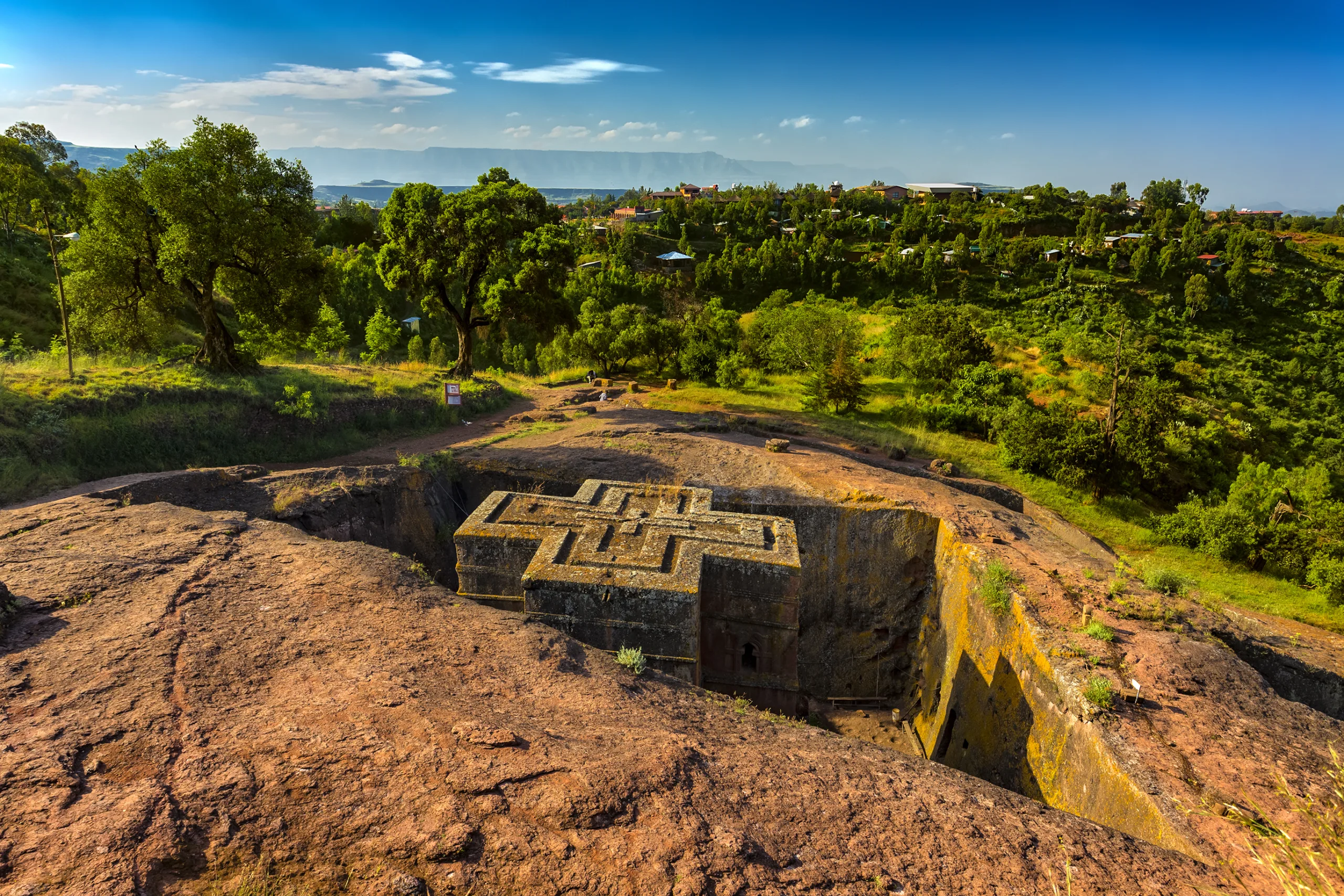
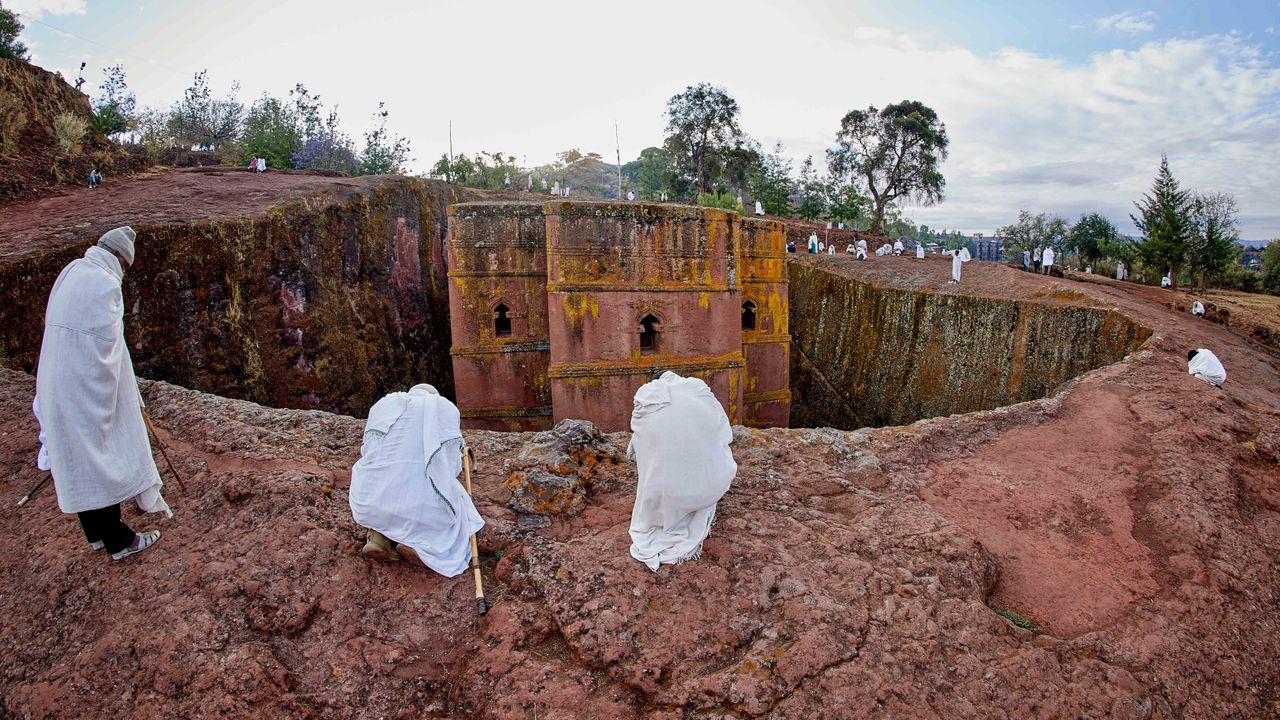
In a compelling narrative that challenges long-standing stereotypes about the continent, a new cultural retrospective on Ethiopia has highlighted the nation’s unique position as the oldest independent country in Africa and the only one to never undergo colonization. The report paints a vivid picture of a nation where ancient heritage and hyper-modern growth coexist, positioning Ethiopia as a leading blueprint for African progress in 2026. At the heart of Ethiopia’s historical prestige are the rock-hewn churches of Lalibela. Carved from the top down into monolithic blocks of volcanic basalt, these eleven medieval structures remain a feat of engineering that defies traditional construction methods.
To this day, they serve as an active site of pilgrimage for the Ethiopian Orthodox Church, functioning as a "living" history rather than a dormant relic. This reverence for the past is balanced by the rapid transformation of the capital, Addis Ababa. Currently one of Africa's fastest-growing urban centers, the city is undergoing a multi-billion-dollar infrastructure boom, including the development of Africa’s largest airport and the massive Grand Ethiopian Renaissance Dam (GERD). These projects underscore the "economic awakening" of a nation determined to lead the continent's industrial future. The city’s commercial pulse is most visible at the Mercato, the largest open-air market in Africa, where over 7,000 businesses drive a multi-million-dollar daily economy.
Ethiopia: The Land of Origins
Related article - Uphorial Shopify
The report also highlights Ethiopia’s role as a sanctuary for the African diaspora. The town of Shashamane remains a unique cultural node, settled on land granted by Emperor Haile Selassie I in 1948 to Black people from the West who supported Ethiopia against Italian occupation. Today, it remains a sacred "promised land" for Rastafarians and returnees from the Caribbean and Americas, symbolizing a victorious reversal of history. Ethiopia’s success is further personified by Olympic legend Haile Gebrselassie. Transitioning from "The Emperor of Distance" to a titan of industry, Gebrselassie now oversees a business empire spanning hospitality, automotive engineering, and real estate. With gross revenues exceeding $500 million annually, his "I CAN" philosophy serves as a model of discipline for young African entrepreneurs. Beyond the skyscrapers and ancient stone, the nation's soul is perhaps best captured in the Ethiopian coffee ceremony. As the birthplace of coffee, Ethiopia maintains a meticulous ritual of washing, roasting, and brewing beans in a clay jebena. Consisting of three symbolic rounds—Abol, Tona, and Baraka—the ceremony emphasizes patience and community, proving that even in one of the world's fastest-moving economies, the most important connections are still forged in shared moments of reflection.