The architecture of private art stewardship, generational market scarcity, and nineteenth-century European modernism reaches a masterly, illuminating peak in Sotheby’s landmark New York evening sale, Legendary: The Blaquier-Arrieta Collection. Held behind closed doors for more than half a century before stepping back into the international spotlight in November 2026, the assemblage of Impressionist and Post-Impressionist masterpieces achieved a white-glove $412 million total—anchored by a record-shattering sale for Vincent van Gogh’s Châtaigniers en fleurs alongside major realizations for Paul Cézanne, Pierre-Auguste Renoir, and Claude Monet. In an exceptionally detailed cultural feature report and market chronicle, observers examine an evening defined by Van Gogh’s 1890 Auvers-sur-Oise canvas setting a new auction benchmark for the artist, Cézanne’s rare Arlequin realizing $111 million, Renoir’s On the Canal fetching $24 million and Monet’s scarce Paris cityscape realizing $17 million, and a deep supporting roster spanning Maurice de Vlaminck, André Derain, Paul Gauguin, Alfred Sisley, Edgar Degas, Camille Pissarro, and Henri de Toulouse-Lautrec.
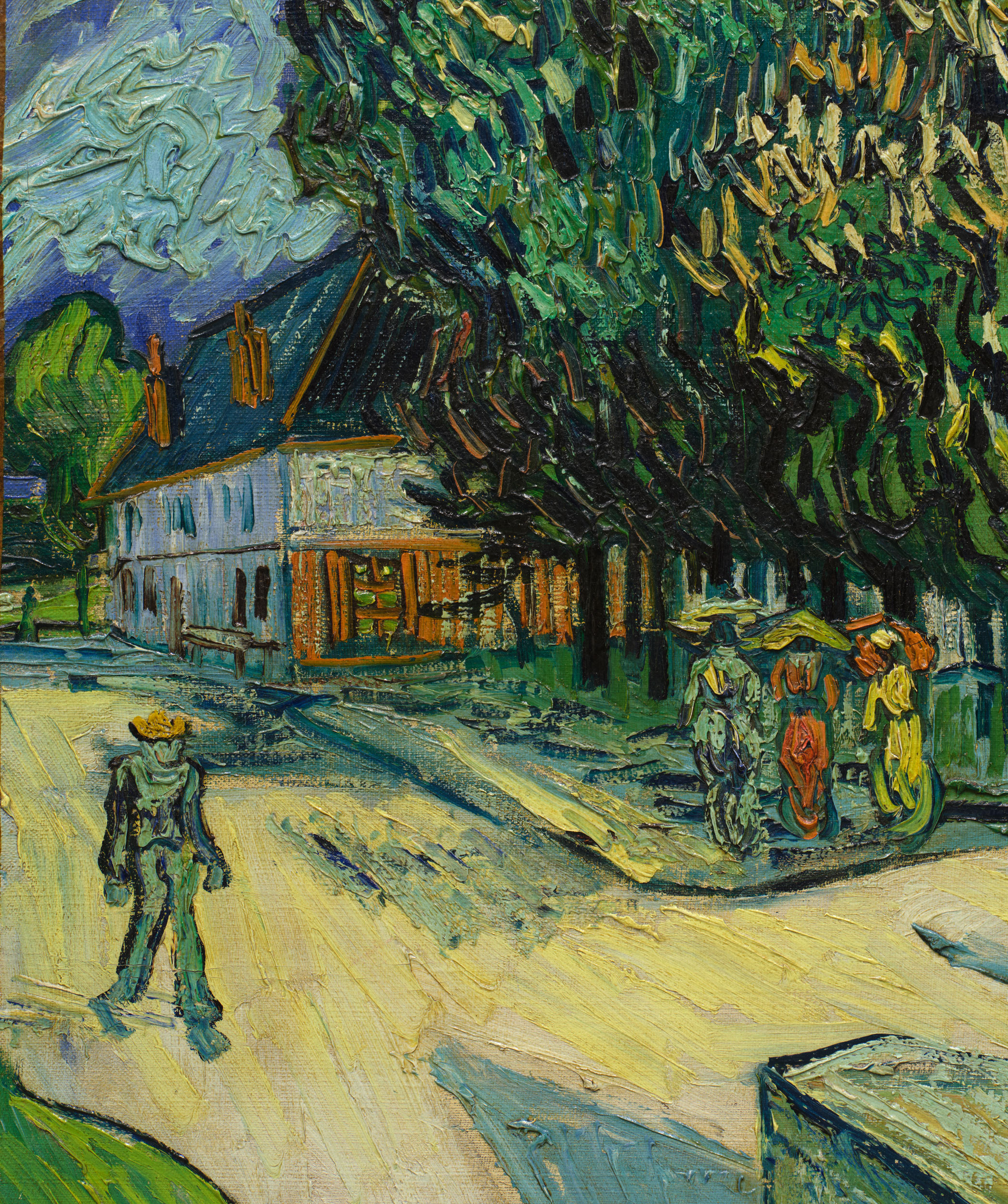
At the incandescent summit of the evening stood Vincent van Gogh’s Châtaigniers en fleurs (Chestnut Trees in Blossom), painted in May 1890 in Auvers-sur-Oise during the final stretch of the Dutch master’s life. Emerging after decades out of public view in the Blaquier-Arrieta collection, the vibrant springtime canvas set an auction record for Van Gogh—reaching $189.3 million in headline terms (and $190.4 million inclusive of buyer’s fees)—following a resolution involving the legal descendants of Samuel and Hedwig Fischer over a 1936 Nazi-era sale. Through emotional precision, watching a canvas painted at a moment of intense creative urgency command historic sums after decades of private seclusion exposes how aesthetic brilliance and contested history remain permanently intertwined, proving that great works of art carry every hand and every reckoning that precedes them.

Related article - Uphorial Shopify
Central to sustaining the sale’s museum-level gravity was Paul Cézanne’s Arlequin, an exceedingly rare figure painting from his celebrated series that realized $111 million. Treating the theatrical harlequin as a study in structured form, color balance, and quiet psychological weight rather than simple ornament, Arlequin underscored how strongly major collectors compete when scarce modernist figure compositions surface after long absences from public exhibition.
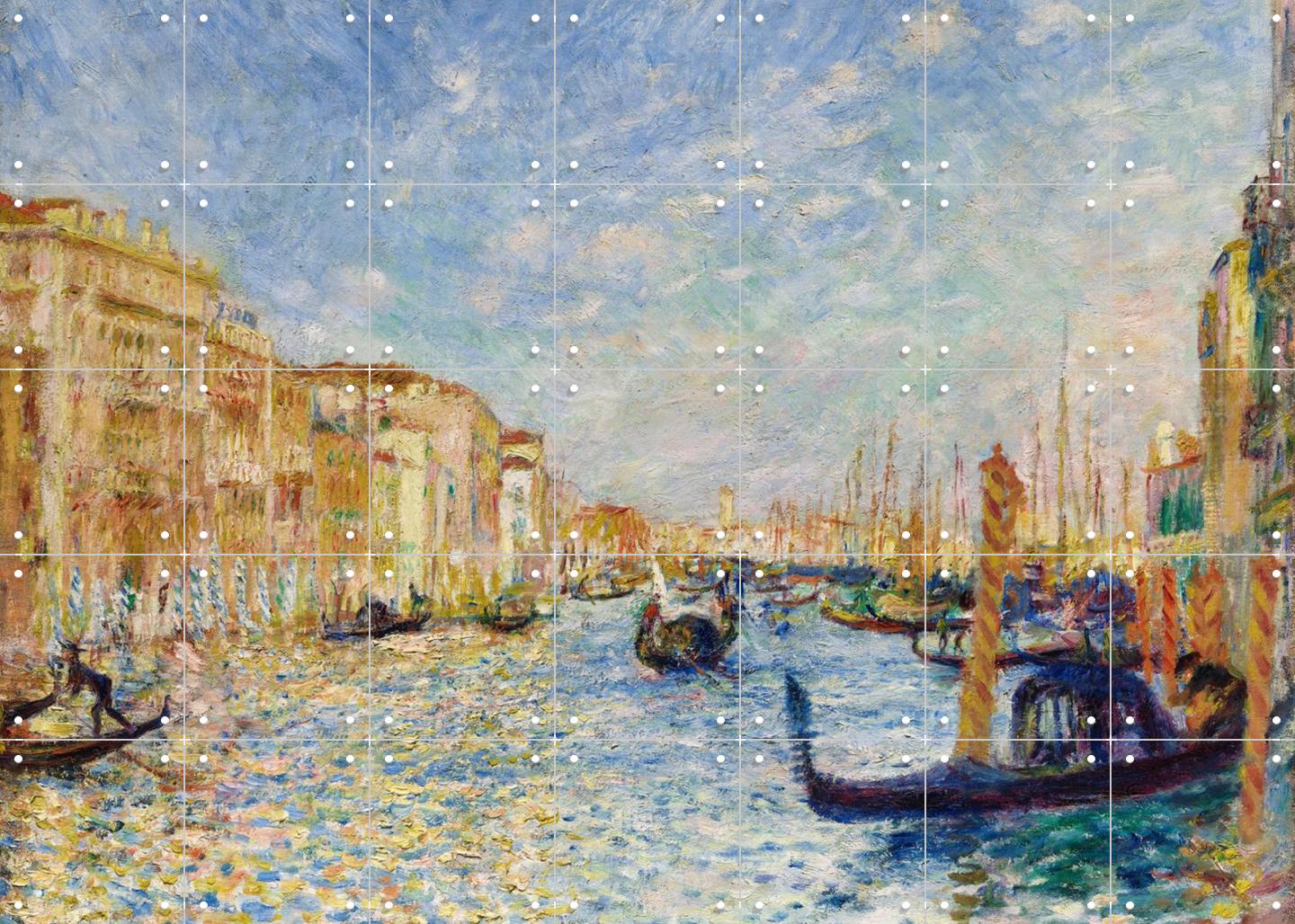
Through intelligent curation of light, urban rhythm, and modern leisure, two additional nineteenth-century works reinforced the collection’s breadth and appeal. Pierre-Auguste Renoir’s On the Canal (En Canot), capturing sunlit movement along the water, was acquired for $24 million. Beside it, Claude Monet’s scarce Paris cityscape—Le Jardin des Tuileries, long held within his own private collection—sold for $17 million, offering a distinctive metropolitan counterpoint to the pastoral and waterside motifs most closely linked with his name.Through a deep structural understanding of modern art history, the wider collection brought together major voices across Impressionism, Post-Impressionism, and early twentieth-century color experimentation. Works by Maurice de Vlaminck, André Derain, Paul Gauguin, Alfred Sisley, Edgar Degas, Camille Pissarro, and Henri de Toulouse-Lautrec contributed to a cohesive showcase that swept every offered lot to a $412 million total.
Strategic storytelling binds more than fifty years of private ownership, pre-sale historical resolution, Van Gogh’s record-breaking Châtaigniers en fleurs, Cézanne’s $111 million Arlequin, and Monet and Renoir’s landmark sales into a defining moment in the global art market. Through transformational framing, this chronicle of Legendary: The Blaquier-Arrieta Collection transcends routine auction tallies. It stands as an enduring cultural and market chronicle, proving that when long-held works, complex provenance histories, foundational modernist craft, and fierce international demand converge, an evening sale rises beyond commerce—becoming a rare public encounter with paintings that reshaped modern visual culture.