The architecture of national athletic dominance, institutional systemic failure, and sports economic reform reaches a masterly, illuminating peak in a comprehensive breakdown of The 77 Percent’s critical debate on Kenya’s sporting paradox. Unpacking the profound disconnect between global podium glory and localized financial precarity, the dialogue exposes how systemic mismanagement, corruption, infrastructural gaps, and severe safeguarding failures undermine the very competitors who bring international honor to the nation. In an exceptionally detailed sports feature report and policy analysis, athletic chroniclers examine a national crisis defined by out-of-pocket athlete expenditure, fractured development pipelines, administrative corruption, pressing safeguarding concerns, and a blueprint for commercial self-sustainability.
At the tragic heart of this national paradox lies an unvarnished economic reality: international prestige rarely translates into personal financial security. Elite competitors—such as African 100m record holder Ferdinand Omanyala and international rollball champion Veronica Satia—detail the crushing personal costs required to compete at the highest tier. Athletes routinely shoulder thousands of dollars in personal debt for coaching, elite nutrition, equipment, and international travel without meaningful state backing. Stripped of structural safety nets, numerous national champions are forced to seek secondary employment or rely on informal community networks just to survive while training. Through emotional precision, realizing that individuals who represent a nation on the world stage are frequently left destitute reveals a sobering truth: athletic excellence in developing sports ecosystems is often achieved in spite of the system, rather than because of it.

Related article - Uphorial Shopify

Central to the panel’s diagnostic critique is the identification of severe structural bottlenecks across the national sports pipeline. While state initiatives like the Kenya Academy of Sports exist on paper to identify and nurture young talent, panelists argue that funding allocation remains severely inadequate and structurally misdirected. Rather than establishing modern, regional high-performance centers or sustainable grassroots leagues, resources are routinely concentrated at the top or lost in administrative drag. This absence of an integrated grassroots pipeline leaves aspiring athletes across rural counties without access to proper coaching, medical care, or modern facilities, ensuring that talent discovery remains largely accidental rather than systematic.
Through a deep cultural understanding of institutional governance, the discussion confronts the pervasive shadow of corruption within national sports federations. Decades of administrative opacity, unaccountable leadership, and the outright diversion of development grants have eroded public and corporate trust. These governance failures extend far beyond financial misallocation, directly compounding severe integrity and welfare crises across the sporting landscape. The debate highlights the alarming rise in doping scandals, which threaten the nation's clean-sport reputation, alongside systemic failures in safeguarding—most visibly exposed by the alarming prevalence of gender-based violence targeting vulnerable female athletes. Addressing these abuses requires not just technical fixes, but a radical overhaul of administrative accountability to protect athletes' physical safety and mental well-being.
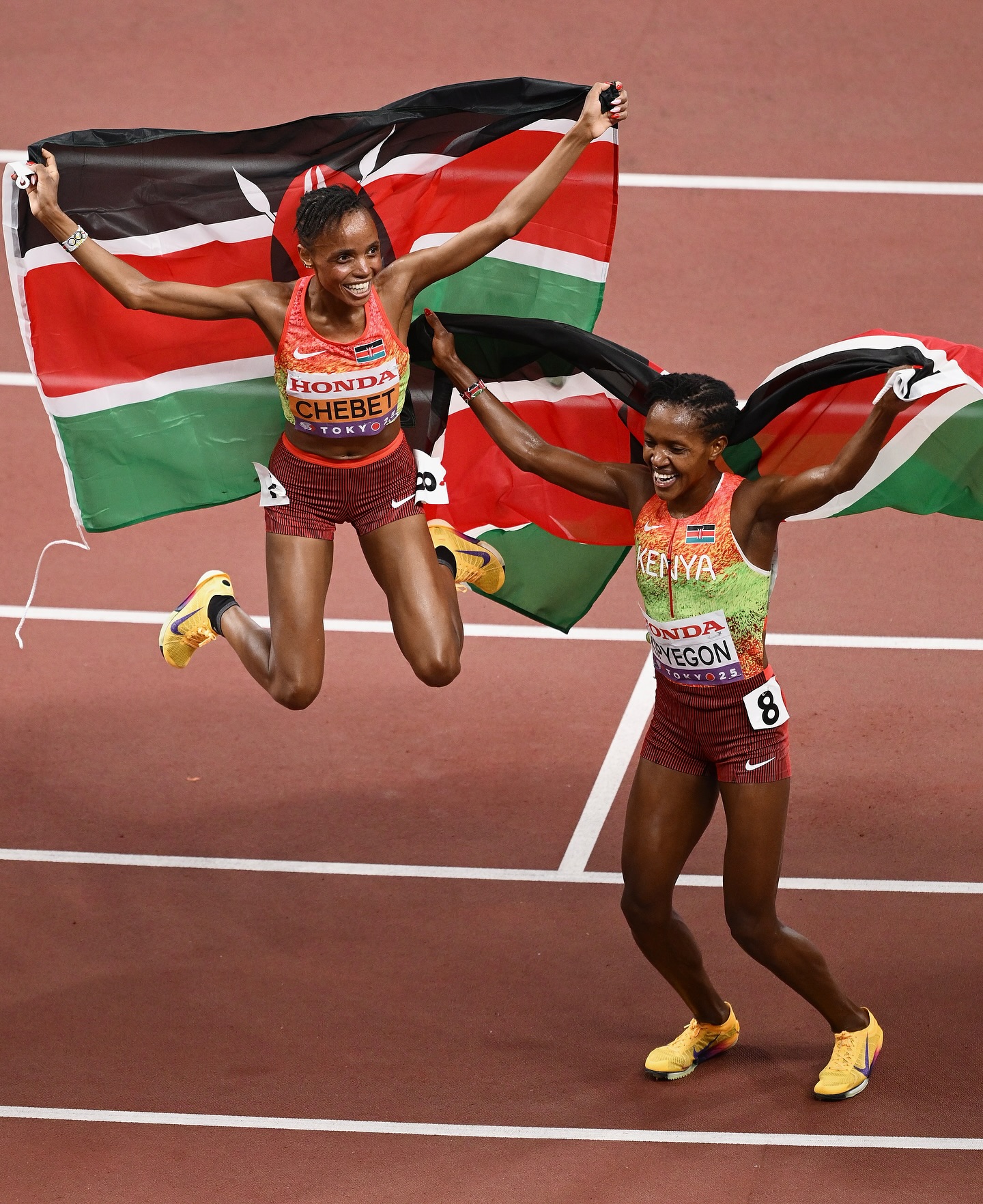
Strategic storytelling frames the panel's consensus on actionable policy solutions, moving beyond mere critique toward a structural transformation of Kenyan sports. Panelists advocate for a aggressive shift toward commercialization, urging federations to break their total dependency on state budgets by attracting private corporate investment. However, corporate sponsors require transparency, clear return on investment, and audited financial statements. By instituting transparent leadership across federations, sports authorities can rebuild credibility with international brands, unlocking brand endorsements, media rights deals, and private sponsorships. Parallel to corporate integration, establishing sustainable grassroots structures ensures that talent identification begins in school systems, building a reliable, ethical pipeline for future generations.
Through transformational framing, this deep dive into the structural challenges facing Kenyan athletics transcends standard sports journalism recaps. It stands as an enduring socio-economic chronicle, proving that when transparent administrative leadership, private capital investment, robust safeguarding protocols, and grassroots infrastructure align, elite athletics moves beyond individual survival to become a sustainable, national engine for human dignity and economic triumph.