The architecture of global biodiversity, interspecies cooperation, and wildlife survival mechanisms reaches a masterly, illuminating peak in a comprehensive breakdown of nature’s most profound ecological interactions. Sweeping across remote Pacific reefs, alpine Himalayan passes, and dense tropical canopies, the narrative chronicles the delicate balance between predatory precision, social organization, and human-wildlife cohabitation. In an exceptionally detailed wildlife feature report and ecological analysis, natural history chroniclers examine a visual showcase defined by marine tactical intelligence, agricultural conflict mitigation, seasonal survival cycles, and rare apex predator behavior.
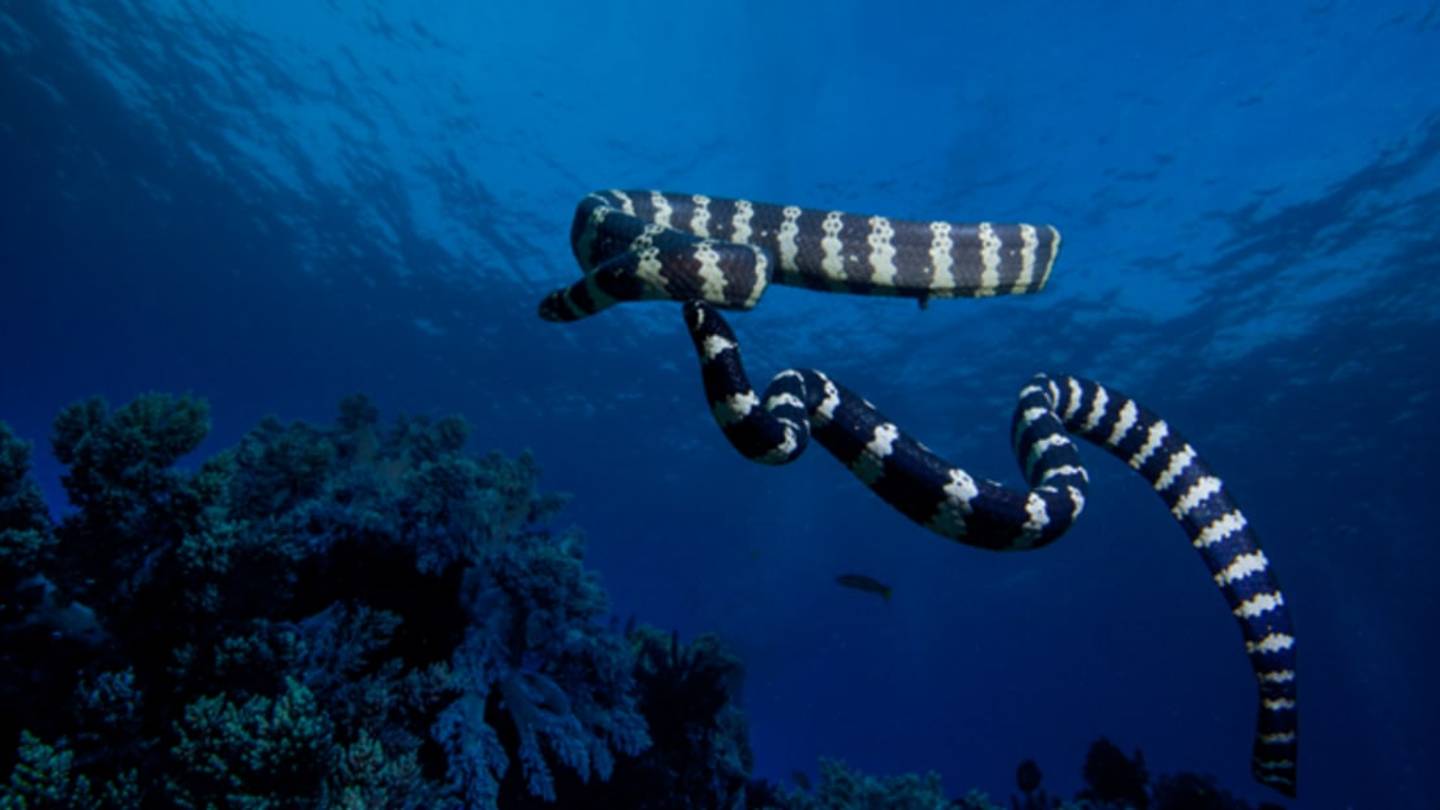
At the depths of the marine environment, the narrative unveils the startling hunting strategies operating within coastal ecosystems. Surrounding Kudaka Island, venomous sea snakes deploy highly specialized chemical tracking and narrow-crevice hunting methods to capture prey beneath coral ledges. Expanding outward to remote Indonesian reefs, these serpents demonstrate a rare form of interspecies cooperative hunting, flushing prey out of tight rock fissures directly into the open water where predatory fish wait to strike. Across the seabed, the marine focus shifts to the cuttlefish, whose dynamic chromatophores enable instantaneous, high-resolution camouflage, allowing it to vanish into sand patterns before striking unsuspecting crabs with lightning speed. These complex predatory displays are balanced by essential symbiotic networks, epitomized by the blue streak cleaner wrasse. Establishing dedicated marine cleaning stations, these tiny fish perform vital hygiene services for larger marine life—including batfish and giant manta rays—systematically removing parasites and dead tissue while establishing peaceful co-existence between predator and prey.
Related article - Uphorial Shopify

Transitioning to the intersection of wildlife dynamics and human civilization, the chronicle explores the delicate balance between agricultural preservation and species conservation in Japan. In rural farming regions, troops of macaques frequently raid high-value crops, driving farmers to implement non-lethal, nature-aligned deterrence strategies. By training agile Shiba Inu dogs to patrol perimeter fence lines, communities successfully protect their seasonal harvests without inflicting harm on native primate populations. Parallel to these farmstead measures, dedicated ecological conservation initiatives in Hokkaido showcase a monumental recovery story, detailing how targeted habitat protection, winter feeding programs, and community stewardship successfully pulled the iconic red-crowned crane back from the brink of total extinction.
Through a deep cultural understanding of seasonal wilderness survival, the narrative charts the extreme life cycles dictated by seasonal shifts and geography. In Japan’s wetlands, the breeding and metamorphosis cycle of native tree frogs is synchronized down to the day with the arrival of heavy monsoon rains, ensuring that emerging tadpoles land directly into newly formed, nutrient-rich water bodies. On land, the autumn landscape is defined by the intense rutting season of Sika deer, where stags engage in fierce, antler-clashing battles to establish territorial dominance and breeding rights. Moving into equatorial rainforests, the report highlights the foundational keystone roles played by Asian elephants and orangutans, whose seed dispersal patterns, canopy clearing, and physical movement systematically engineer the forest architecture, sustaining thousands of dependent plant and animal species.
The physical demands of migration reach an epic climax along the Himalayan mountain range, where flocks of Demoiselle cranes embark on one of the most hazardous avian journeys on Earth. Traversing high-altitude mountain passes under severe oxygen deprivation and turbulent thermals, the cranes must constantly navigate the lethal aerial threat of hunting golden eagles, turning their seasonal migration into a high-stakes gauntlet of physical endurance and instinctual evasive flight.
Strategic storytelling narrows its focus onto complex social structures and secretive predator behavior, highlighted by intimate primate and big cat observations. In Sri Lanka, dense troops of toque macaques exhibit intricate, rigid social hierarchies, where access to prime foraging grounds, grooming rights, and thermal comfort is strictly dictated by maternal rank and social alliance. The exploration reaches its emotional pinnacle high in the craggy peaks of the Himalayas, where rare, intimate footage captures the quiet daily life of a snow leopard mother raising her cub. Navigating sheer cliff faces and extreme sub-zero winds, the female demonstrates the immense patience, territorial mastery, and maternal devotion required to rear the next generation of ghost-like apex predators in one of the planet's most unforgiving environments.
Through transformational framing, this deep dive into global wildlife dynamics transcends standard natural history summaries. It stands as an enduring ecological chronicle, proving that when evolutionary adaptation, interspecies synergy, instinctual survival, and dedicated conservation stewardship align, the natural world reveals an immortal, interconnected tapestry of life operating in perfect, delicate harmony.