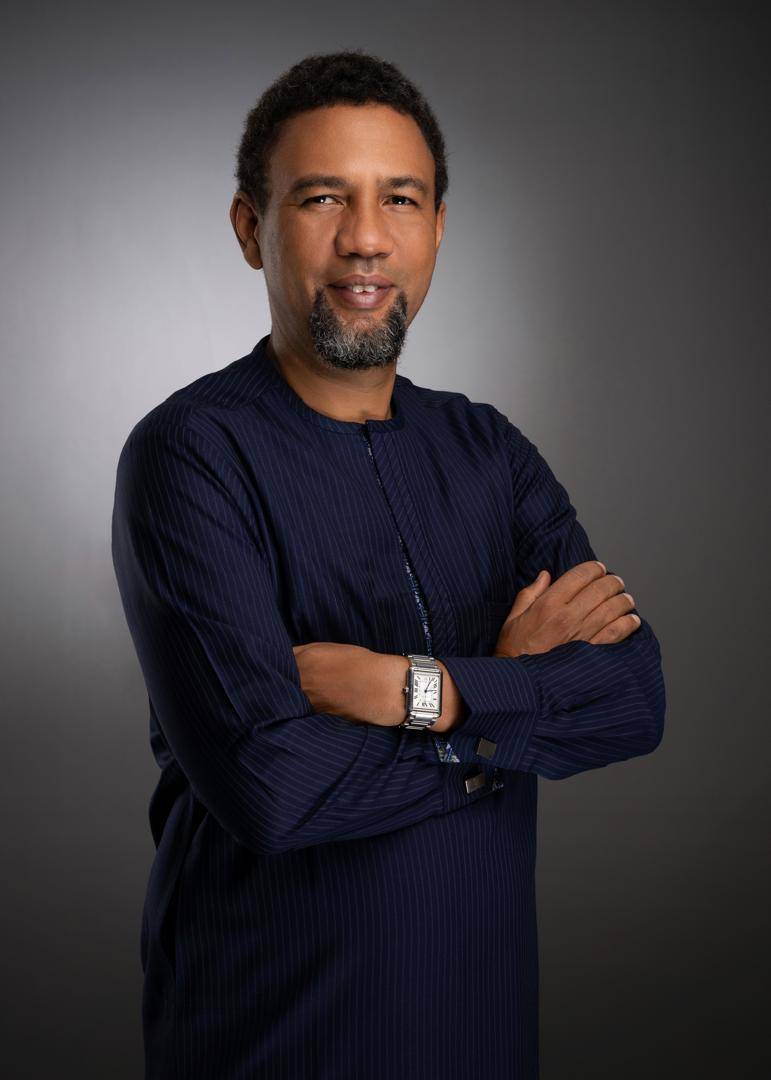
LAGOS - In the unfolding narrative of the twenty-first century, the question of Africa’s trajectory is no longer a matter of aid or foreign intervention, but of strategic, home-grown industrialization. In a recent, wide-ranging discussion on the Afropolitan podcast, Iyinoluwa Aboyeji—the entrepreneur whose career has been synonymous with the explosive growth of the continent’s technology ecosystem—articulated a vision that shifts the focus from external validation to internal empowerment. Aboyeji’s argument is precise and provocative: while China has championed state-led industrialization and the United States has thrived on corporate-driven development, Africa’s path to prosperity must be anchored in the singular, untapped potential of its people. His mission is as bold as it is quantifiable: to empower every African with the tools to earn a minimum of $10,000 annually, utilizing the lever of artificial intelligence to catalyze local infrastructure.
Aboyeji challenges the prevailing global anxiety surrounding AI, which often frames the technology as a threat to labor or a tool for further centralization. Instead, he proposes a model of "man-machine symbiosis," a concept inspired by foundational research that he requires his team to internalize. In this framework, AI is not a replacement for human endeavor but an accelerator for African youth. By granting them access to advanced AI capabilities, the continent can leapfrog traditional developmental barriers. Furthermore, Aboyeji identifies a unique, geographically strategic advantage: Africa is energy rich. As the world struggles to reconcile its insatiable demand for computational power with the carbon footprint of land-based data centers, he sees the continent as the ideal host for the world’s most competitive, sustainable, and high-capacity digital infrastructure.
This vision requires a fundamental change in how capital is viewed and deployed. Aboyeji’s own journey in fundraising reflects this shift; having navigated the often-skeptical corridors of institutional investors in the U.S., he has pivoted toward partners like the African Finance Corporation. This change represents a rejection of the "build-to-exit" mentality—the quick-win culture of Silicon Valley that has frequently been misapplied to African startups. Instead, he advocates for the construction of marquee companies that "own the rails" of the economy—the fundamental systems that manage data, goods, and payments. He points to the legacy of Aliko Dangote as the ultimate blueprint for this philosophy: a strategy built on hard assets, patience, and a deep-seated commitment to building the essential structures upon which an entire economy rests.

Related article - Uphorial Shopify

Central to this transformation is the role of the African diaspora. Aboyeji expresses a profound, if occasionally frustrated, urgency regarding the bridge between Africans on the continent and those in the diaspora, particularly African-Americans. He argues that this divide is a historical tragedy that can no longer be sustained. He envisions a future where the unparalleled cultural leverage and creative influence of the African diaspora are merged with the "hard" infrastructure building currently underway in cities like Lagos and Nairobi. It is a call for intentional collaboration—a recognition that the talent, capital, and global networks held by those abroad are the missing pieces in the industrial puzzle currently being assembled at home.
The tone of his message is one of urgent invitation. For Aboyeji, "home" is not merely a place of origin; it is the most exciting laboratory of the future. He issues a stark challenge to the diaspora: anyone who does not return within the next two years to participate in this critical building phase may, he believes, look back with significant regret. The next decade will define the foundational institutions of the continent, and those who remain on the periphery, watching from the comfort of established economies, risk missing the most significant chapter of modern economic history.
Throughout the conversation, Aboyeji highlights figures who embody this commitment to technical and industrial excellence. He cites Nicholas Bratweight as a key pioneer in deep tech, arguing that his contributions in the U.S. toward building unicorn-level organizations deserve far more recognition, especially as a model for those looking to replicate that success in African contexts. It is this mix of admiration for past masters and a focus on the next generation that defines Aboyeji’s approach. He is not interested in merely participating in the global tech conversation; he is interested in writing the rules that govern the infrastructure of a billion-person market.
The transformational framing of this dialogue is clear: Africa is not a destination for charity, but a strategic frontier for the next generation of builders. By combining the continent’s abundant energy and human capital with a renewed focus on ownership, Aboyeji argues that the narrative of "development" can be replaced by a reality of "sovereignty." The challenge he lays out is substantial—it requires capital, courage, and a willingness to abandon the comfort of the status quo—but the potential reward is the creation of an economic system that truly serves its people. As the continent continues to navigate the complexities of the twenty-first century, it is voices like Aboyeji’s that are beginning to demand that the world look at Africa not as a project to be managed, but as a power to be reckoned with. The rails are being laid, the energy is waiting, and the invitation to build is open.