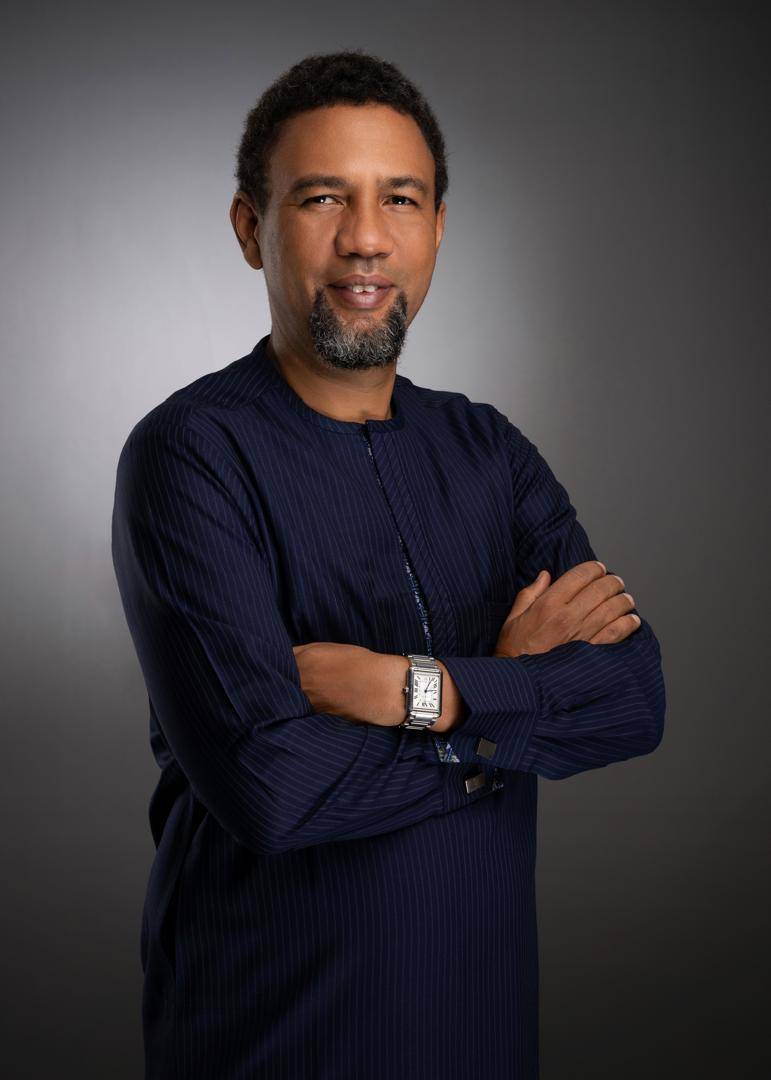
LAGOS - The intersection of corporate enterprise and public governance in West Africa has long been a theater of high-stakes ambition, where the titans of industry and the architects of statecraft constantly negotiate the boundaries of national destiny. In a rare, deeply introspective, and candid conversation, Tonye Cole—co-founder of the global energy conglomerate Sahara Group—pulls back the heavy veil of private enterprise to examine his extraordinary transition from the drafting tables of architecture and the boardrooms of international business into the unpredictable, turbulent waters of Nigerian politics. Through a narrative defined by emotional precision, cultural understanding, and strategic storytelling, Cole offers a transformational framing of what it truly means to build wealth, seek public office, and shoulder the burden of national transformation in the twenty-first century.
The foundational thesis of Cole’s political philosophy cuts directly to the core of modern economic reality: the immutable supremacy of state power over private capital. Reflecting on decades of building a multinational energy empire, Cole argues with sobering clarity that power ultimately trumps money. No matter how expansive a corporation's balance sheet, how sophisticated its technological infrastructure, or how global its market reach, a private enterprise can never sustainably outperform or outrun the health of its home country. When the macroeconomic foundations of the nation fracture, the corporation inevitably feels the shockwaves. Therefore, Cole contends, corporate titans and visionary entrepreneurs can no longer afford the luxury of remaining politically aloof; if they wish to truly improve the business environment and secure a prosperous future for the citizenry, they must roll up their sleeves and actively engage with the political machinery of the state.

Related article - Uphorial Shopify

This hard-earned wisdom is rooted in a decades-long entrepreneurial journey that was forged as much in the fires of near-failure as it was in triumph. Looking back on his early career, Cole shares the harrowing, formative experience of navigating a bankruptcy—a crisis that taught him the vital importance of business diversification and financial resilience. It was during these lean, high-pressure formative years that he also learned the art of strategic partnership, discovering that navigating systemic biases, institutional hurdles, and market volatility is nearly impossible alone. By building strong alliances and pooling complementary skills, he and his co-founders laid the groundwork for Sahara Group's eventual rise, proving that survival in the developing world requires both unyielding grit and collaborative intelligence.
Yet, stepping out of the predictable confines of the corporate boardroom and plunging headfirst into the arena of Nigerian electoral politics revealed a harsher, more unvarnished reality. Characterizing the political landscape with striking candor, Cole describes a system that is frequently driven by profound self-interest, factionalism, and cutthroat competition. He stresses that true political change cannot be achieved from the comfortable sidelines of social media commentary or by simply casting a ballot once every four years at a local polling unit. Instead, he issues a passionate call to action for the nation's intelligentsia and business class: true reform requires getting involved behind the scenes by becoming card-carrying party members, participating in ward meetings, and reclaiming the foundational structures of political parties from within.
Beneath the demanding optics of high-stakes business and bruising political campaigns lies the private, spiritual sanctuary that has anchored Cole through every seismic shift in his life. He speaks with deep emotional resonance about his grounding in Christian faith, which provides an unshakeable moral compass in environments designed to compromise integrity. Furthermore, he addresses a critical, often-taboo subject in West African corporate culture: the importance of mental health awareness in Nigeria, where the crushing weight of public expectations and economic survival often takes a silent, devastating toll. Throughout these emotional and professional transitions, Cole credits his wife, Sylvia, as an indispensable partner and bedrock support system, highlighting how a stable, loving domestic foundation is the true secret weapon behind any enduring public success.
As Cole looks toward the horizon, his philosophy expands from personal ambition to the enduring architecture of legacy and public service. He articulates a profound belief that a meaningful human life is never a static destination, but a series of constant, courageous reinventions. Whether transitioning from architect to energy magnate, or from corporate executive to political aspirant, he stresses that integrity and patriotic leadership are the only currency that matters if one hopes to genuinely inspire future generations. Ultimately, Tonye Cole’s reflections stand as a transformational roadmap for Africa's economic elite—a powerful reminder that true wealth is measured not by what a man extracts from his country, but by what he sacrifices to heal it.