CAPE CPAST - The architectural legacy of global trade has long bound developing nations into a restrictive cycle of primary extraction, where rich sovereign soil yields abundant raw wealth that is systematically shipped away to foreign shores. For a nation like Ghana, blessed with extraordinary natural abundance yet persistently shackled by economic disparity, this structural imbalance has sparked a profound, urgent national debate over sovereignty, dignity, and economic self-determination. In an exceptionally gripping, masterclass-level discourse examining the fault lines of West African economic policy, leading thinkers, economists, and citizens convene to interrogate the true cost of dependency. Through emotional precision, intelligent curation, cultural understanding, strategic storytelling, and transformational framing, this comprehensive news-style report explores the critical imperatives of resource ownership, domestic processing, educational reform, and governmental accountability defining Ghana’s path toward true liberation.
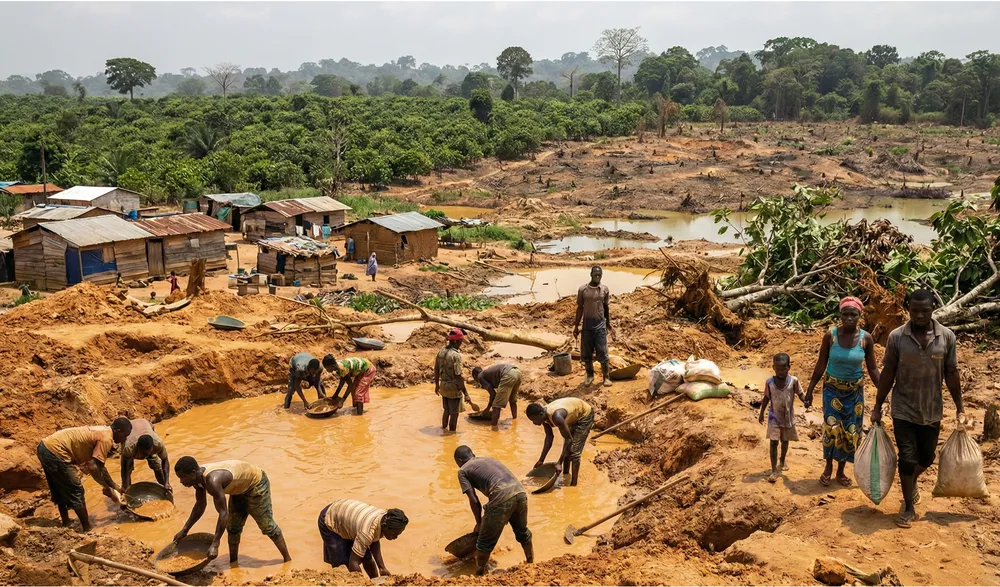
The foundational critique of the current economic order begins with a piercing examination of resource ownership and extraction, where the glaring contradiction between national wealth and individual poverty is laid bare. Participants across the panel highlight the painful paradox that while Ghana exports staggering volumes of raw natural materials—from gold and timber to cocoa and petroleum—the local populace frequently sees little to no tangible benefit in their daily lives. The wealth generated by these subterranean and agricultural treasures flows outward, leaving behind environmental degradation and stagnant communities. Through emotional precision, this disparity is captured not merely as an economic statistic, but as a profound moral failure—a quiet injustice where generations of citizens watch the literal foundation of their country's wealth extracted before their eyes while they struggle to secure basic prosperity. In response to this historic extraction model, many panelists forcefully argue for the strategic nationalization of key resources, framing public ownership as an essential mechanism to reclaim national wealth and redirect it toward domestic infrastructure, healthcare, and human development.
Related article - Uphorial Shopify

Moving from the extraction pits to the industrial sector, the debate zeroes in on the immense economic hemorrhaging caused by exporting raw commodities rather than refining them domestically. The panel emphasizes that true economic independence is utterly impossible so long as a nation remains trapped as a mere provider of unrefined raw materials for foreign manufacturing hubs. Building robust domestic capacity to process goods locally—transforming raw cocoa beans into world-class chocolate and crude petroleum into finished petrochemicals—is identified as the absolute cornerstone of sustainable development. Through intelligent curation of macroeconomic principles, this industrial shift is reframed as a matter of national survival, proving that value addition creates high-paying jobs, fosters technological innovation, and keeps the multiplier effect of capital firmly within the national borders.
Yet, building an industrialized, self-sufficient economy requires a radical transformation of the human capital driving it, bringing the conversation directly to the state of national education. There is a resounding, unified consensus among participants that the prevailing educational framework remains excessively academic, overly theoretical, and dangerously disconnected from the practical, technical demands of a modern productive economy. For decades, schooling has prioritized rote memorization over hands-on engineering, vocational mastery, and entrepreneurial problem-solving. To break this cycle, the panel stresses the urgent need to cultivate a deep-seated "mindset of ownership" among the youth, steering education toward rigorous technical training, scientific research, and indigenous innovation. Through cultural understanding of societal conditioning, this educational overhaul is presented as a cultural awakening—a deliberate movement to replace passive compliance with active creation, empowering young Ghanaians to see themselves not as cheap labor for global conglomerates, but as the master architects of their own industrial destiny.
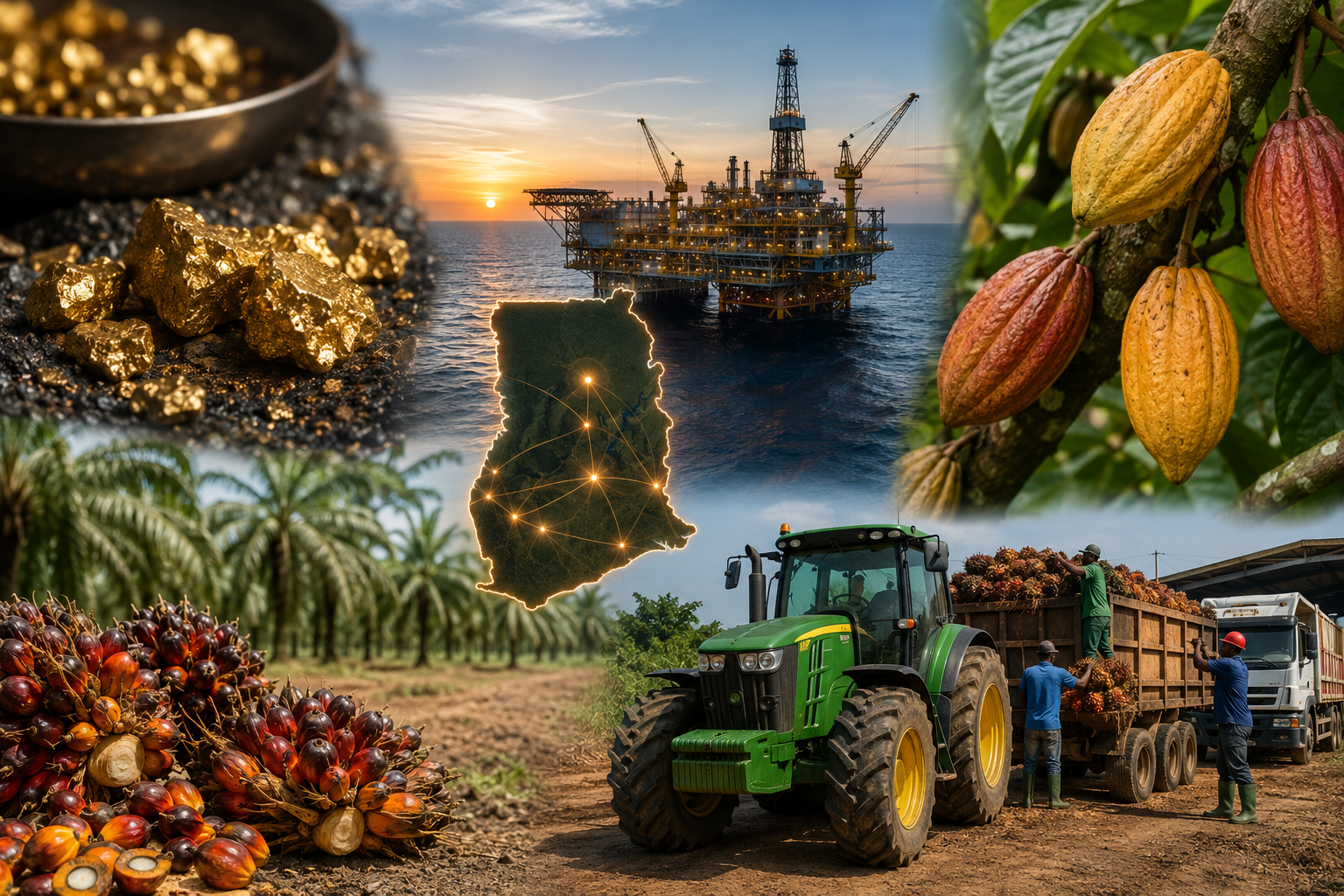
No discussion of national transformation can bypass the critical pillar of government stewardship and systemic accountability, which forms one of the most emotionally charged segments of the debate. Participants express deep, palpable frustration over chronic institutional corruption, opaque governance, and the historic failure of local leadership to negotiate equitable international trade agreements. For generations, lopsided contracts have signed away national patrimony for fraction-of-the-value returns, enriching a connected elite while abandoning ordinary citizens to economic precarity. Through strategic storytelling, the demand for better trade deals is elevated from a technocratic policy preference into a sacred covenant between the state and its people, insisting that leadership must prioritize the welfare, dignity, and economic security of ordinary citizens above all external pressures.
The discourse culminates in a powerful, transformative call to action that unites resource sovereignty, industrial processing, mental liberation, and political integrity into a singular vision for Ghana's future. Through transformational framing, the ongoing struggle for economic independence is cast not as an insurmountable political crisis, but as an historic, generational opportunity to rewrite the nation's destiny. By reclaiming ownership of their land, building domestic processing power, revolutionizing their educational ethos, and demanding absolute accountability from their leaders, Ghanaians are actively forging a new paradigm—proving that true sovereignty is never merely granted by history, but actively won through courage, vision, and unyielding collective resolve.