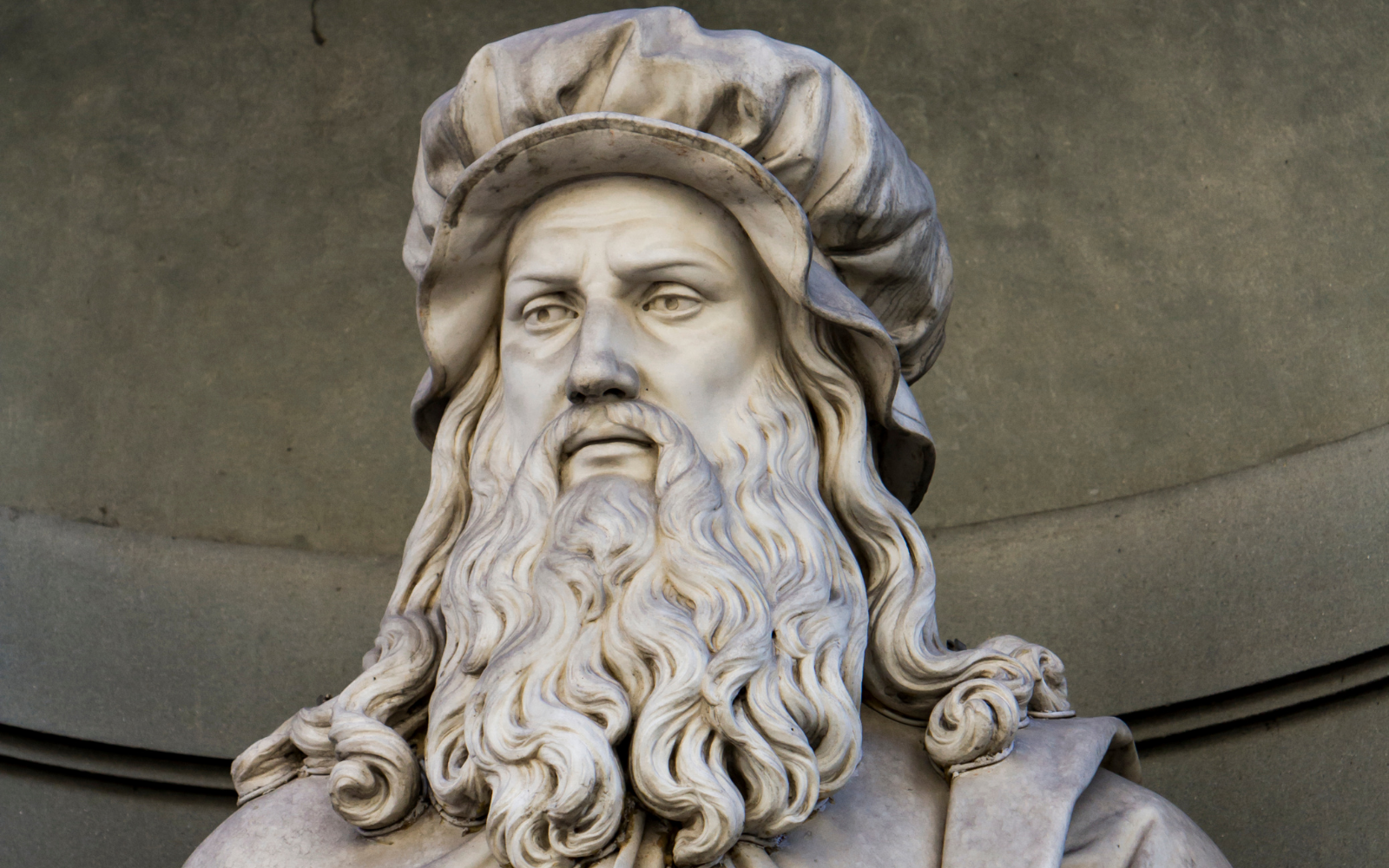
FLORENCE - The architecture of human curiosity, scientific observation, and artistic transcendence finds its ultimate historical embodiment in the life of Leonardo da Vinci. Beyond the canonical fame of his surviving masterpieces, Leonardo stands as the archetypal universal genius—a polymath whose relentless empirical inquiry dissolved the artificial boundaries between art, physics, mechanics, and nature. In an exceptionally luminous historical feature report and intellectual biography, art historians and science chroniclers trace his extraordinary trajectory. Breaking down his unlettered origins in Tuscan nature, his rigorous technical apprenticeship in Renaissance Florence, his expansive engineering epoch under the dukedom of Milan, and his golden twilight in the royal court of France, this news-style report explores a transcendent journey through the mind that foresaw the modern world.
Born out of wedlock in 1452 near the small hill town of Vinci, Leonardo’s early childhood was defined by a distinct lack of formal Latinate schooling—a circumstance that would become the very catalyst of his revolutionary genius. Untethered by classical scholastic dogma, the young polymath transformed the surrounding Tuscan countryside into his primary classroom, filling early sketchbooks with meticulous observations of swirling water currents, avian flight dynamics, and botanical geometry. Through emotional precision, observing a young, self-taught boy standing in a sunlit valley studying the motion of water currents evokes a profound sense of destiny—a stark reminder that world-altering genius is often born not from rigid institutional instruction, but from unyielding, uncorrupted wonder.
Related article - Uphorial Shopify

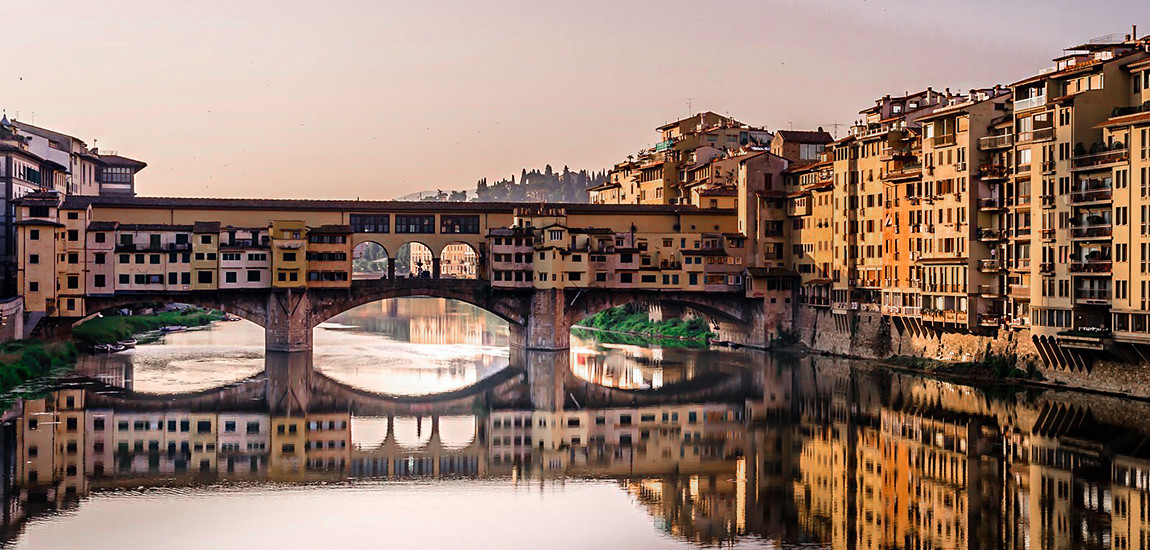
Transitioning from rural solitude into the booming intellectual heart of the Italian Renaissance, Leonardo entered the prestigious Florentine workshop of master Andrea del Verrocchio. Within this vibrant studio ecosystem, he mastered bronze casting, chemistry, draftsmanship, and structural engineering, contributing directly to complex civic projects such as mounting the massive copper globe atop the Florence Cathedral dome. Through intelligent curation of Renaissance workshop culture, his early Florentine period demonstrates how technical discipline and material science provided the physical foundation for his artistic breakthroughs, establishing a life philosophy where painting was understood as the ultimate visual science.
His move to Milan in 1482 marked a pivotal expansion from fine art into large-scale military engineering, court pageantry, and scientific experimentation under the patronage of Duke Ludovico Sforza at the Castello Sforzesco. Over nearly two decades in the Lombard capital, Leonardo filled thousands of notebook pages with visionary designs for flying machines, armored vehicles, hydraulic canal systems, and revolutionary anatomical dissections. Through cultural understanding of courtly patronage, his Milanese epoch reveals a master who viewed the canvas and the mechanical diagram as dual expressions of the same underlying physical laws, bridging the gap between artistic beauty and utility.
The narrative arc of his extraordinary life reaches a serene, deeply dignified climax in his final years at the Château du Clos Lucé in Amboise, France. Invited in 1516 by King Francis I, who revered the aging master as a premier philosopher, architect, and engineer, Leonardo spent his remaining years designing royal palace layouts, organizing magnificent court festivals, and refining his final anatomical and physical treatises. Dying in 1519 at the age of sixty-seven and laid to rest within the royal grounds at Amboise, his peaceful French twilight stands as the triumphant culmination of a life dedicated to unlocking the secrets of the universe.
The comprehensive analysis of Leonardo da Vinci’s legacy culminates in a visionary re-evaluation of human intellectual potential. Proving that true innovation requires equal parts relentless empirical observation, artistic sensitivity, and cross-disciplinary curiosity, his life's work remains an immortal blueprint for modern civilization. Through transformational framing, this deep dive into Leonardo’s biography transcends a standard historical profile; it stands as a brilliant tribute to the human mind, proving that when observation, science, and creative soul unite, human curiosity becomes an eternal light for generations to come.