The architecture of neuromuscular signaling, everyday autonomic stress, and ocular preventative care reaches a masterly, illuminating peak in Dr. Joseph Allen’s clinical breakdown of eyelid twitching—known medically as eyelid myokymia. Unpacking a common yet often anxiety-inducing phenomenon, the explanation demystifies why a tiny band of muscle around the eye suddenly begins to flutter and outlines practical, evidence-grounded steps to calm it before identifying the distinct clinical signs that warrant specialist evaluation. In an exceptionally detailed health and medical feature report, observers examine an overview defined by involuntary contractions of the orbicularis oculi muscle triggered by stress, sleep deprivation, stimulants, dry eye, allergies, and digital screen strain, home management rooted in stress-lowering routines like the "365" breathing method, disciplined sleep hygiene, reduced caffeine and sugar alongside screen breaks, candid realism around anecdotal remedies versus cold compresses, and clear diagnostic red flags separating benign myokymia from conditions like benign essential blepharospasm or hemifacial spasm.
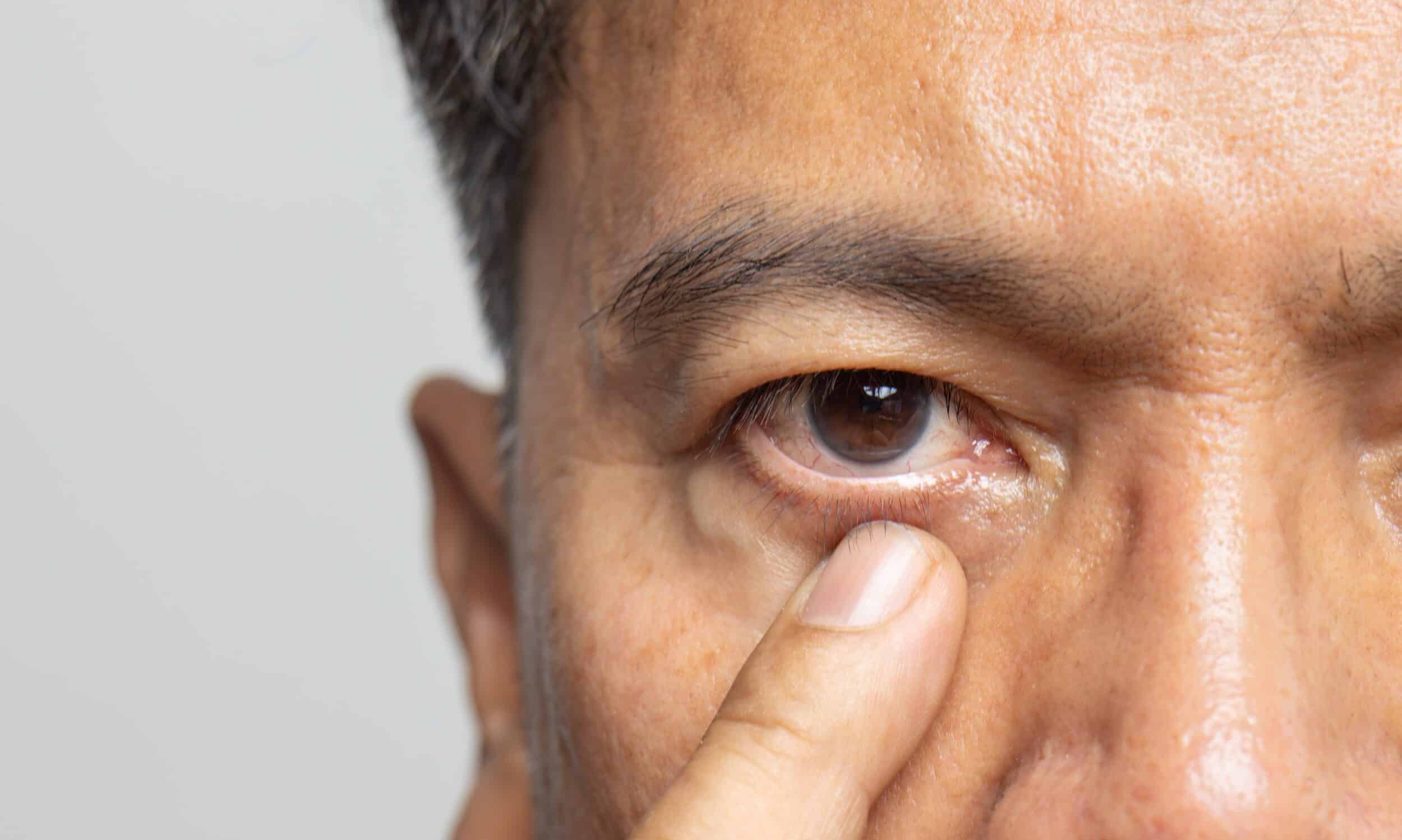
At the physiological core of eyelid myokymia lies an involuntary, localized fluttering or contraction within fibers of the orbicularis oculi—the delicate circular muscle responsible for closing the eyelid. Rather than signaling mysterious neurological failure in its typical form, this twitch frequently acts as the body’s subtle early barometer for everyday overload: heightened emotional stress, accumulated sleep debt, and excessive stimulant consumption such as caffeine. Ocular surface stressors—including dry eye, environmental irritation, seasonal allergies, and prolonged digital eye strain from staring at screens—further sensitize local nerve endings, tipping an overworked muscle into repetitive micro-spasms. Through emotional precision, understanding that an annoying eye flutter is usually a gentle physiological request for rest rather than a crisis replaces quiet panic with calm self-awareness, proving that listening early to minor bodily signals protects long-term wellbeing.
Related article - Uphorial Shopify
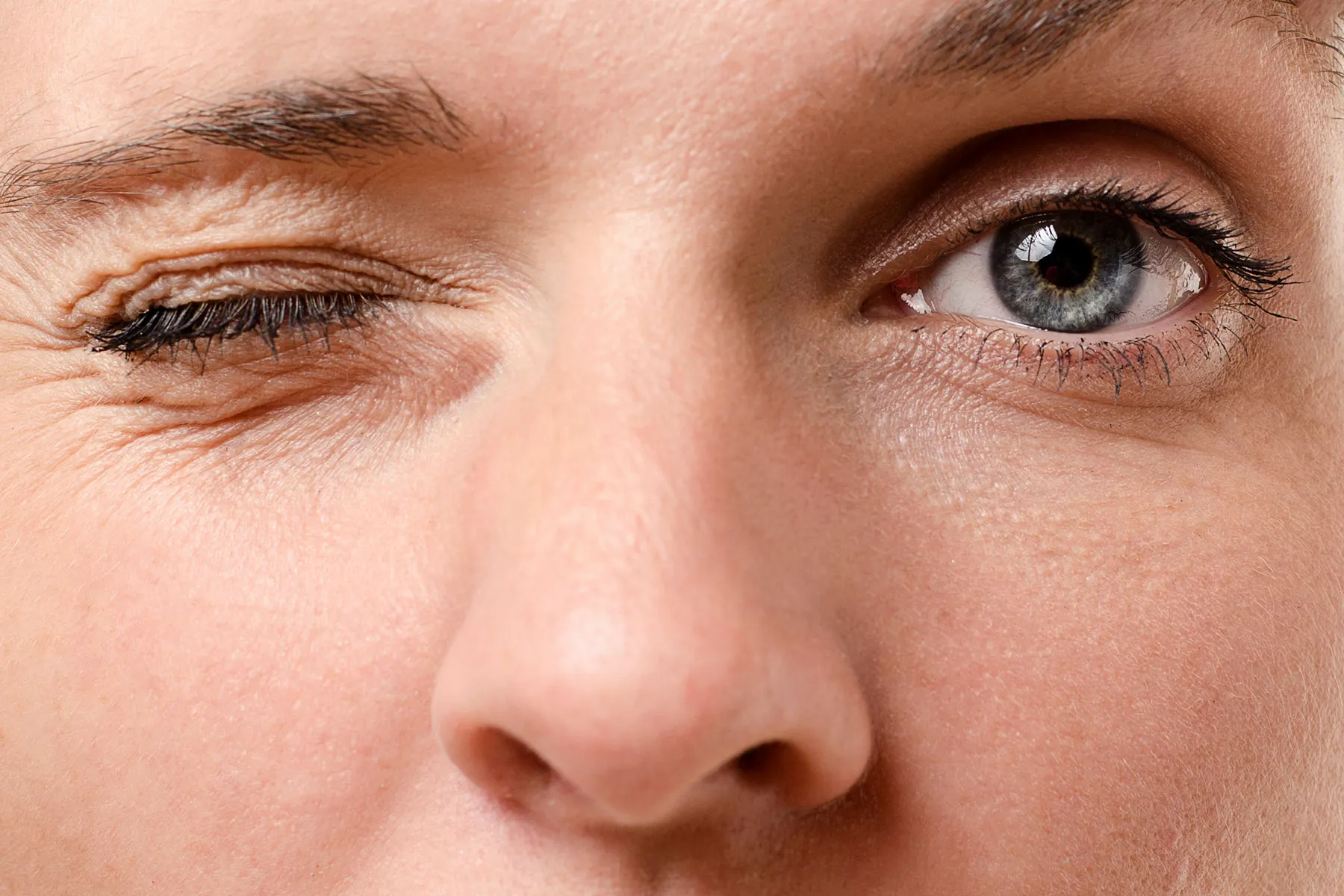
Central to resolving uncomplicated eyelid twitching at home is addressing the underlying nervous-system and lifestyle triggers fueling muscle hyperexcitability. Lowering circulating cortisol and ocular tension begins with intentional stress-reduction habits—ranging from regular physical exercise, yoga, and meditation to structured breathing techniques such as the "365" method. Equally foundational is consistent sleep hygiene: anchoring a steady wake-up time, optimizing the bedroom environment for restorative rest, and considering sleep aids such as melatonin under professional guidance when appropriate.
Through intelligent curation of daily ocular and dietary habits, targeted adjustments reinforce nervous-system calm. Trimming back caffeine and refined sugar intake removes chemical triggers that keep motor nerves firing unnecessarily, while building frequent visual breaks into extended computer or phone sessions reduces dryness and focusing fatigue. Addressing home remedies with scientific candor, Dr. Allen notes that popular folk fixes like tonic water or magnesium supplements carry limited clinical evidence for eyelid myokymia, whereas simple physical resets—such as applying a cool compress or taking brief pauses to gaze upward—often provide practical, soothing relief.

Through a deep structural understanding of clinical triage, knowing when a harmless flutter crosses into territory requiring medical care remains essential. Prompt professional evaluation is warranted if contractions grow uncontrollable, force the eyelid completely shut—a potential hallmark of benign essential blepharospasm—or spread beyond the eyelid into other facial muscles, which may point toward a hemifacial spasm. Supporting baseline visual comfort through annual comprehensive eye exams and up-to-date glasses or contact lens prescriptions further eliminates hidden focusing strain before it manifests around the lid.
Strategic storytelling binds orbicularis oculi physiology and everyday stress, stimulant, and screen triggers, home recovery through "365" breathing, sleep hygiene, caffeine reduction, and cool compresses, honest evaluation of anecdotal remedies, and red-flag awareness for blepharospasm, hemifacial spasm, and routine eye exams into a cohesive portrait of practical ocular health.Through transformational framing, this chronicle of Dr. Joseph Allen’s guide to eyelid myokymia transcends routine symptom-checker summaries. It stands as an enduring health and medical chronicle, proving that when clear anatomical literacy, calm nervous-system regulation, disciplined visual hygiene, and informed awareness of clinical warning signs align, a fleeting eyelid flutter rises beyond minor annoyance—becoming a timely reminder to restore balance, rest, and attentive self-care.