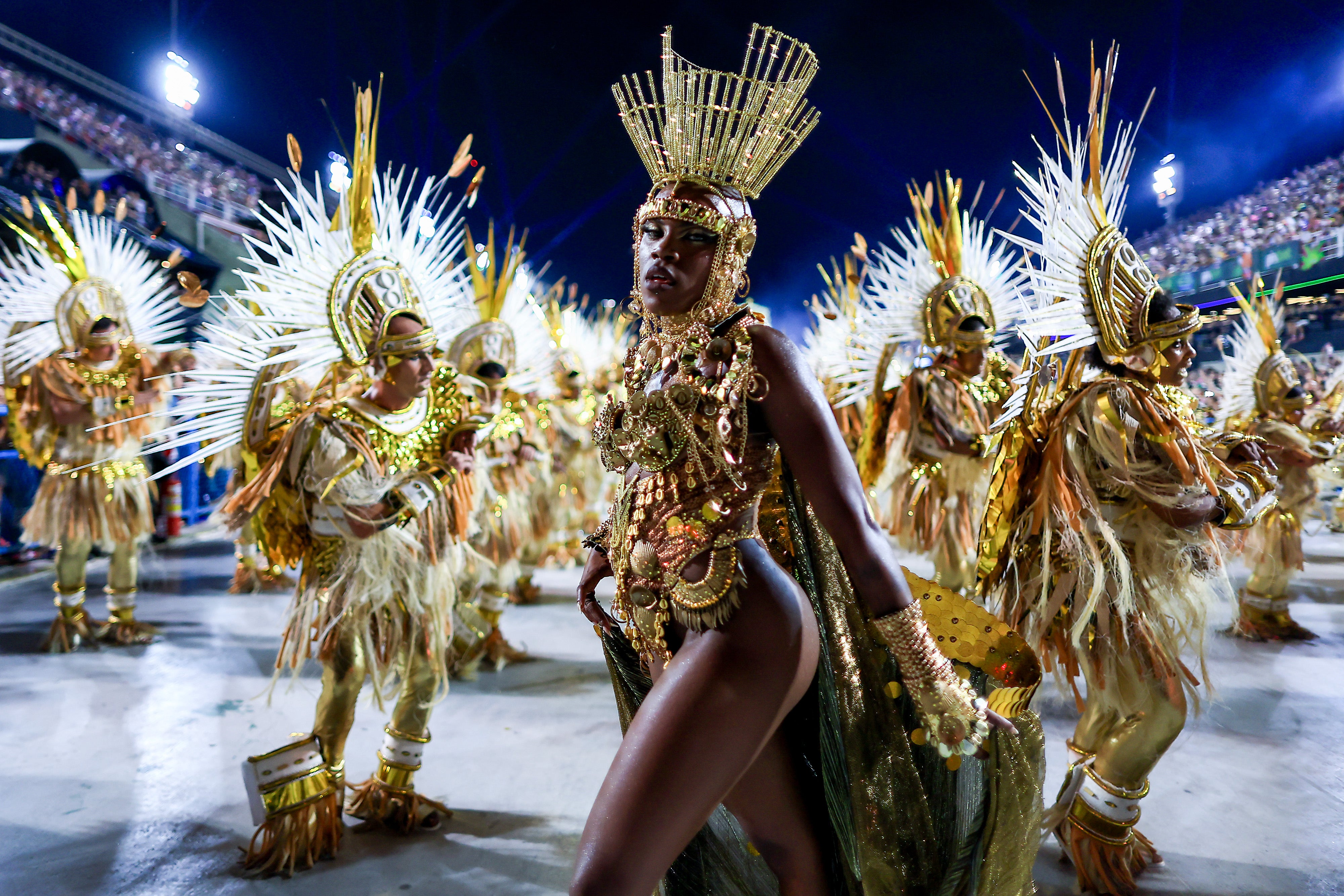
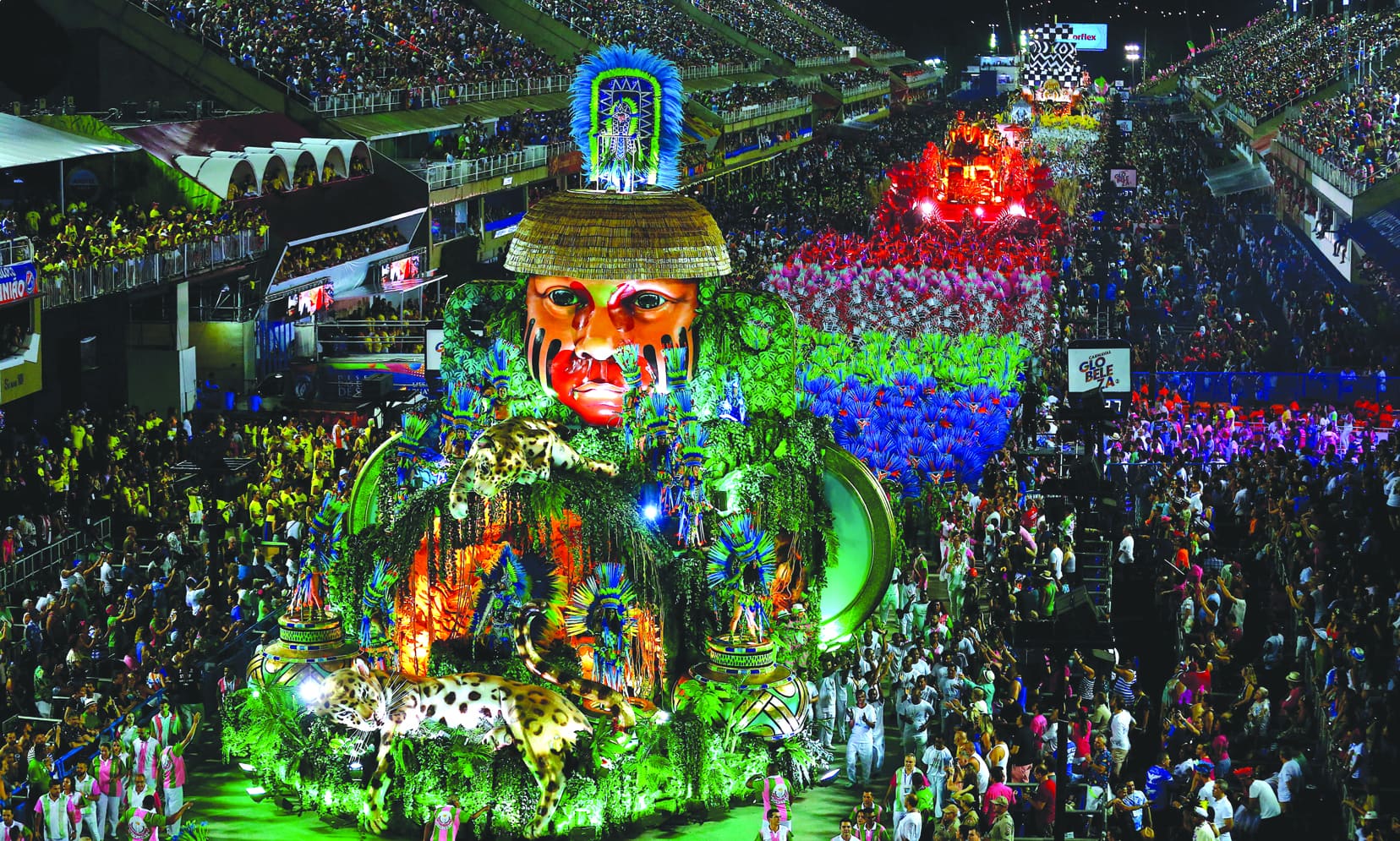
Rio Brazil - Beyond the feathers and the world-famous glitz of the Sambadrome, the Rio Carnival is a complex mechanism of social subversion and cultural preservation. A recent deep dive into the festival reveals it as a vital platform where marginalized communities reclaim urban spaces and transform the streets into a theater of resistance. Far from being a mere tourist attraction, the event serves as a living archive of identity, particularly for those whose voices are often silenced in the city’s day-to-day life. At the heart of this celebration are the Samba Schools, where thousands of community members spend the entire year meticulously crafting costumes and developing themes. These organizations are more than just performance troupes; they are the lifeblood of Rio’s neighborhoods, fostering a sense of belonging and collective purpose. For marginalized groups, specifically the transsexual and "travesti" communities, the parade is a crucial megaphone. By taking center stage, they highlight their struggles and celebrate their identities, turning a global spotlight onto issues of human rights and social acceptance.
Exploring the history and heart of the Rio Blocos
Related article - Uphorial Shopify

The subversive spirit of the carnival is perhaps most evident in the "blocos," such as the "Céu na Terra" group. Founded 27 years ago by university students, this block embodies the festival's capacity for political and social play, transforming public thoroughfares into zones of absolute freedom. Similarly, the Bate-bola groups from Rio’s suburbs represent a distinct, working-class tradition. These crews engage in a fierce yet friendly competition of creativity, parading in elaborate, clown-like costumes that challenge traditional social hierarchies through aesthetic excess and noise.Spirituality and history are woven into the festival through the power of the drums. Representing a direct link to ancestors and African heritage, the percussion is described as an instrument of transformation—a rhythmic source of strength that fuels the "Maracatu." This matriarchal manifestation honors the legacy of Black women, who often take on the roles of queens in symbolic coronation ceremonies, accompanied by "dames of passage" carrying sacred dolls. Ultimately, the Rio Carnival is a profound act of "claiming the streets," where participants use play and pageantry to assert their presence and celebrate the enduring resilience of their culture.