CURACAO – The frontier of luxury travel has traditionally been defined by the altitude of private jets and the elegance of superyachts, but a new era is dawning in the crushing silence of the ocean’s depths. Off the coast of Curaçao, in the brilliant, translucent blue of the Caribbean, a remarkable piece of engineering has arrived to challenge our perceptions of maritime exploration. The U-Boat Worx SuperSub—a ten-million-dollar vessel frequently heralded as the "Ferrari of the deep"—is not merely a submersible; it is a high-performance machine designed to bridge the chasm between human curiosity and the inaccessible mysteries of the abyss. This is not the slow, heavy crawl of traditional submersibles; it is the first true flight into the oceanic unknown, where speed and agility allow the pilot to keep pace with the swift, graceful movements of sharks and dolphins in their own domain. The design philosophy behind the SuperSub is a masterclass in aerodynamic efficiency applied to hydrodynamics. Unlike its predecessors, which are often characterized by bulk and sluggishness, the SuperSub features a refined, teardrop-shaped hull and four exceptionally powerful thrusters. This architecture allows the vessel to "fly" through the water at speeds of up to 10 knots, providing a maneuverability that is as exhilarating as it is groundbreaking. It is a transformational framing of the undersea experience: the ocean is no longer a dark, forbidding space to be merely observed; it is a dynamic environment to be navigated with the precision and speed of a sports car on an open track.
For those fortunate enough to descend into the cockpit, the visibility is nothing short of transcendent. The vessel features a massive, 9-centimeter-thick acrylic dome that provides nearly unobstructed, 360-degree views of the marine landscape. As the SuperSub sinks into the depths, reaching a maximum operational capacity of 300 meters, the dome creates the illusion of being entirely unshielded, placing the passengers in direct contact with the vibrant life of the ocean floor. During a recent descent to a sunken shipwreck at 124 meters, the sensation of the sub’s 40-degree-capable dive angle was likened to the kinetic thrills of science fiction—a surreal transition from the sun-drenched surface to the haunting, historical stillness of a wreck that has long been reclaimed by the sea.

Related article - Uphorial Shopify
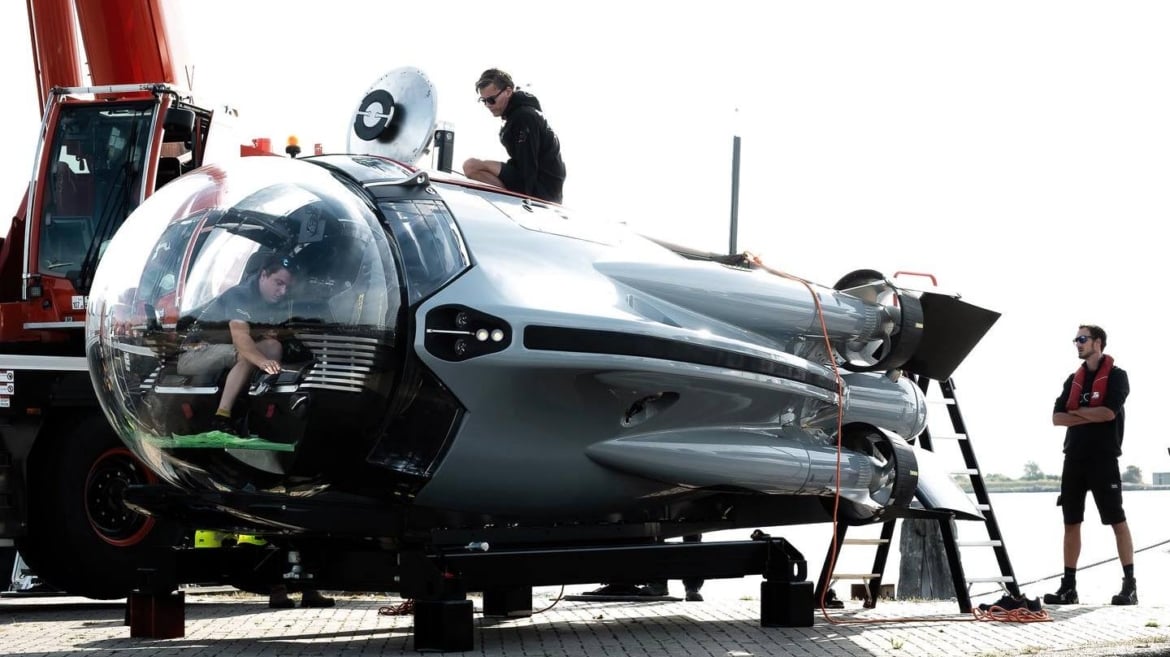
Perhaps the most compelling feature of the SuperSub is its commitment to inclusivity in the pilot experience. The cockpit is designed to accommodate a pilot and two passengers, but the interface is intentionally fluid. In a design choice that speaks to the vessel's role as a plaything for the ultra-adventurous, the controls can be handed over to a passenger mid-dive. This allows for a tactile, firsthand engagement with the vessel’s capabilities, enabling the guest to pilot the sub themselves through a specialized, intuitive interface. It is a level of access that transforms the passenger from a passive observer into an active explorer, turning the act of piloting into a shared, intimate connection with the machine and the environment.

Safety, of course, is the silent partner in every exhilarating moment of the dive. Despite its high-performance credentials, the SuperSub is fully maritime-certified and built around an uncompromising safety protocol. The vessel includes multiple layers of emergency redundancy, such as a specialized "blow" button that facilitates an immediate, rapid ascent to the surface, and a 300-kilogram lead weight system that can be released to ensure positive buoyancy in the event of an power failure. Furthermore, the sub is equipped with automatic depth-limiting protections, ensuring that the vessel cannot exceed its certified structural limits. These systems provide the necessary confidence for the pilot to explore with reckless, yet calculated, abandon. The experience of maneuvering the SuperSub near a shipwreck is a study in intelligent curation. As the vessel weaves through the ruins, the pilot gains a profound appreciation for the intersection of human history and biological persistence. The reef has reclaimed the steel, and the fish have made the wreck their own. To navigate this space with such high-speed precision is to engage in a form of strategic storytelling; the pilot is effectively authoring a new narrative for the wreck, one where it is no longer a site of tragedy or abandonment, but a living, vibrant theater for the wonders of the deep. It is a moment of deep cultural understanding: we are reminded that our presence in these spaces is temporary, and that the ocean is the true, enduring architect of our history.
Ultimately, the U-Boat Worx SuperSub is more than a toy for the elite; it is a testament to the human desire to push past the limits of our physical environment. It captures the spirit of exploration that has driven every great leap in engineering, from the first flight to the deepest sea dives. By providing the power to move with speed and agility in a world that is inherently dense and resistant, the SuperSub allows us to see ourselves as part of the marine ecosystem rather than just visitors from above. It is a vehicle for those who refuse to be satisfied with the view from the surface, and who are willing to invest in the technology required to touch the very edge of our known world. As the vessel breaks the surface and returns to the sunlight, the sensation that lingers is one of profound, exhilarating perspective. We are a terrestrial species, yet we have always been drawn to the water. In the SuperSub, we finally have the tool to satisfy that draw, not through the detached observation of cameras and remote drones, but through the visceral, physical presence of the pilot. It is an investment in wonder, a commitment to the idea that there are still frontiers left to explore, and a celebration of the ingenuity that allows us to find them. The "Ferrari of the deep" is, in the end, a vessel of liberation—a reminder that the only boundaries that truly matter are the ones we place on our own imagination.