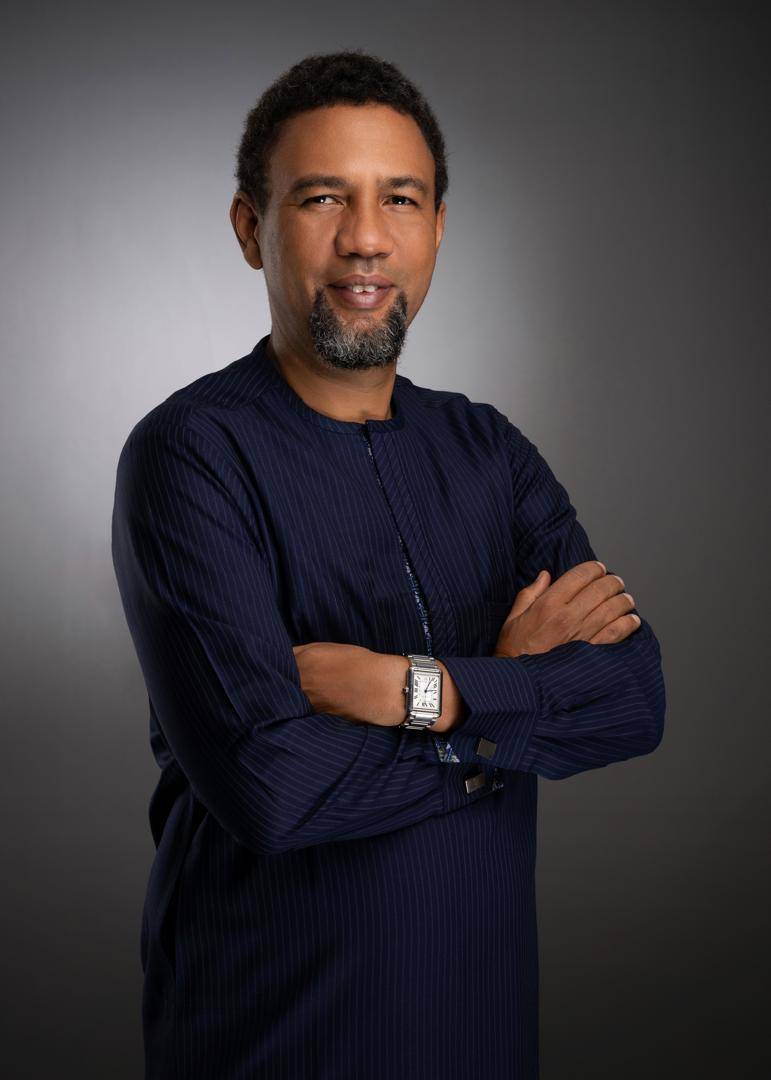
DUBAI – The global perception of Dubai is often one of unfiltered opulence, a city of gold where every citizen is born into a life of effortless luxury. However, in a revealing new episode of the Building Wealth Without Borders podcast, hosted by Lámidé Elizabeth, Emirati investor and entrepreneur Ebrahim Abbas provided a rare, grounded perspective on the socio-economic realities of the United Arab Emirates. The conversation served as a masterclass in financial literacy, effectively dismantling long-standing myths about Emirati wealth while outlining the disciplined principles and strategic government frameworks that actually drive success in the region. By moving beyond the glittering skyline, Abbas offered a blueprint for wealth creation that prioritizes ethical integrity and calculated risk over the stereotypical image of "easy money."
Abbas began the discussion by addressing the childhood reality of growing up in Dubai, a narrative that sharply contrasts with the high-octane lifestyle portrayed on social media. Far from being raised in the back of supercars, Abbas described an upbringing defined by "normalcy" and traditional values. He credited much of his professional discipline to a strict parenting style that prioritized academic rigor and character building over material excess. This foundation, he argued, is more representative of the local population than the extreme luxury often associated with the city. For Abbas, the strength of the Emirati identity lies not in the consumption of wealth, but in a cultural heritage that values education and social responsibility, providing a stable platform for the entrepreneurial journeys of the younger generation.
A significant portion of the dialogue focused on the specific role of the UAE government in fostering domestic talent and providing a safety net for its citizens. Abbas was candid about the substantial benefits provided by the state, which include comprehensive free healthcare and various forms of housing assistance. However, he emphasized that these benefits are designed to empower citizens to contribute back to the economy rather than encourage complacency. He specifically highlighted initiatives like the Mohammed bin Rashid Establishment for SME Development, which provides young entrepreneurs with the mentorship and financial pathways necessary to launch their own businesses. This structural support, according to Abbas, is a critical component of the national strategy to diversify the economy and ensure that the spirit of innovation is accessible to all, not just the elite.

Related article - Uphorial Shopify
Addressing the central misconception of the podcast, Abbas clarified the actual distribution of wealth within the Emirati community. He challenged the "myth of the millionaire" by explaining that not every citizen is wealthy; in reality, only a small percentage of the population holds significant assets. The majority of Emiratis occupy the middle class, and many face the same financial struggles found in any other developed nation. By humanizing the financial landscape of the UAE, Abbas highlighted the necessity for individual financial planning and the danger of assuming that nationality alone guarantees economic security. This reality check underscored the primary theme of the episode: that wealth, regardless of location, must be built through intentionality and hard work.

Central to Abbas’s personal investment philosophy is a strict adherence to ethical and religious principles. He spoke at length about the importance of avoiding "haram" or forbidden money, which includes earnings derived from activities such as gambling, the sale of alcohol, or interest-based investments. This commitment to Sharia-compliant financial practices is not just a personal choice for Abbas but a strategic framework that guides his portfolio. By seeking out ethical investments, he argues that one can achieve a level of financial success that is both sustainable and aligned with one’s values, proving that religious conviction and aggressive entrepreneurship can exist in a symbiotic relationship.
On the technical side of wealth creation, Abbas offered a piece of advice that often runs counter to traditional conservative saving: the strategic use of bank leverage. He argued that relying solely on personal savings to build a business or an investment portfolio is often inefficient. Instead, he advocates for utilizing bank loans and leveraged capital to scale operations, provided the investor has conducted exhaustive research. However, he accompanied this advice with a stern warning. Leverage, while a powerful tool for growth, can be catastrophic if applied without a thorough understanding of the underlying assets. His approach is one of "calculated aggression," where the safety of the strategy depends entirely on the depth of the due diligence performed beforehand.
This emphasis on due diligence was born from the hard-learned lessons of his own past. In an act of radical transparency, Abbas reflected on his significant financial losses, including falling victim to a pyramid scheme known as Zetex and making several ill-informed choices in the stock market. These setbacks served as his most profound educators. He used these stories to warn listeners against the allure of "get-rich-quick" schemes and the danger of following market hype without a personal understanding of the investment. For Abbas, these failures were the price of an unofficial MBA, teaching him that the most valuable asset any investor possesses is not their capital, but their ability to critically analyze an opportunity and walk away when the math—or the ethics—does not align.
The conversation between Lámidé Elizabeth and Ebrahim Abbas concluded as a powerful reminder that the principles of wealth building are universal, even in a unique environment like Dubai. As the 2026 financial landscape continues to shift with global trends, Abbas’s story emphasizes that success is a product of early discipline, ethical boundaries, and the courage to learn from one’s mistakes. By lifting the veil on the Emirati experience, the episode provided a relatable and actionable guide for anyone looking to build wealth without borders, grounded in the reality that true financial freedom is never handed out—it is meticulously constructed.