The evening meal has evolved into the crucial "feast" for many individuals adopting time-restricted feeding patterns, making dinner the single most important nutritional event of the day. Dr. Pradip Jamnadas, MD, from Orlando and Aristotle Education, emphasizes that when we are eating, particularly for dinner, the focus must shift entirely away from calorie or portion control and onto the quality of the food. This means consuming nutrient-dense, real food, not "junk food" or, as Dr. Jamnadas terms them, "products".
Dinner, therefore, should be planned as an "event". For most, it is the only time the family gathers, and making a big thing out of it has been shown to benefit families not only mentally, but also in terms of health, as people who eat together communicate and share. Dr. Jamnadas stresses the importance of making time for this meal, as it contains most of the day’s nutrition. Crucially, this designated feast should lead to contentment, where one feels like they have had a good meal and are satisfied upon leaving the table. If the food consumed is not nutrient-dense—if it is a product—it leads to constant hunger and late-night snacking, which destroys metabolism and sleep.
The distinction between "food" and "products" is vital to Dr. Jamnadas’s philosophy. Products, often found in the inner aisles of the supermarket, are nutrient-poor, highly processed items that come in a box or package. They are loaded with chemicals, preservatives, emulsifiers, flavorings, and colorings that should not be consumed, as they are "not normal". Dr. Jamnadas warns that these items, such as soft drinks full of chemicals that belong in a chemistry laboratory, or processed pasta providing "empty calories," send incorrect chemical signals to the body..
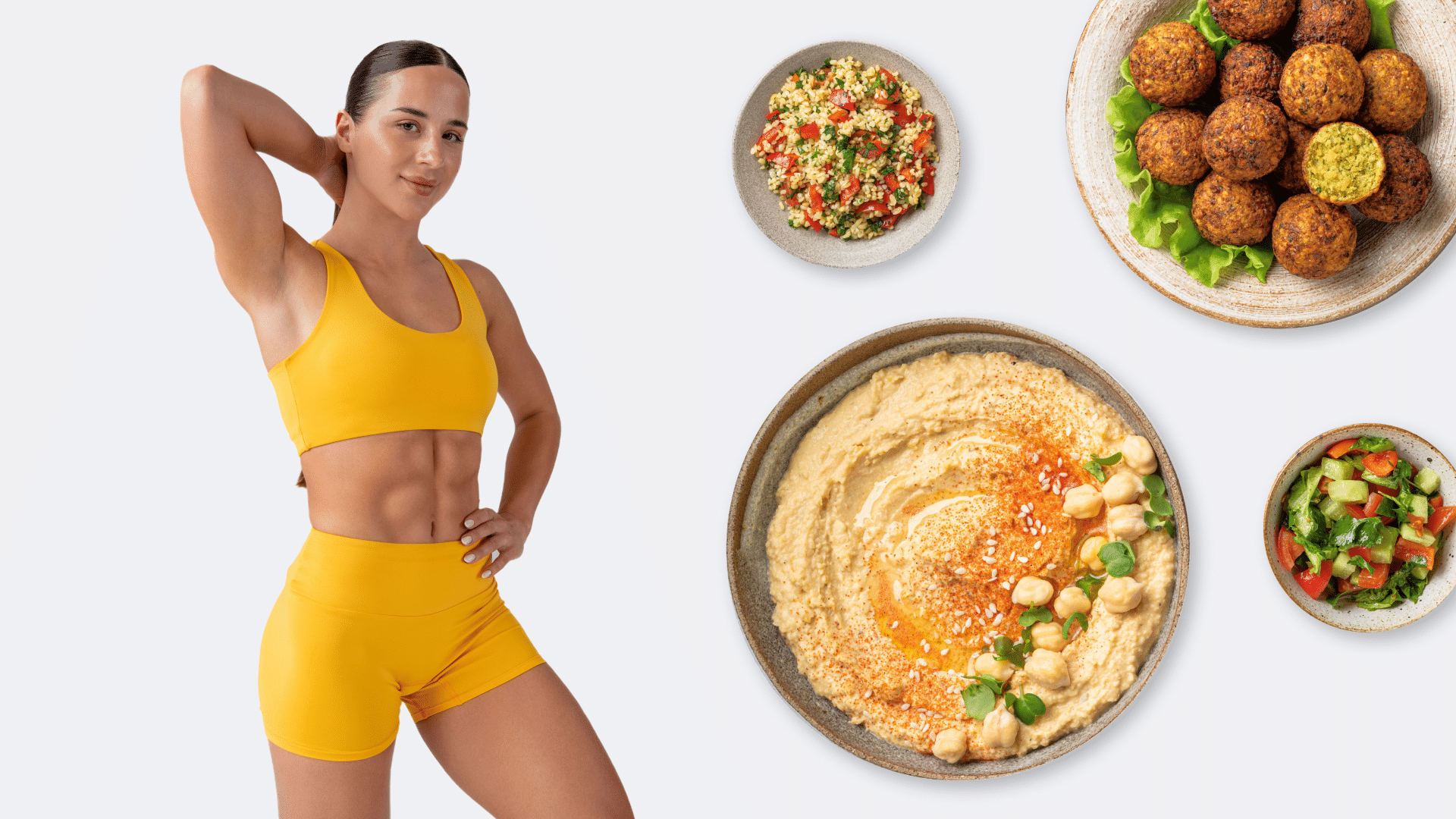
Related article - Uphorial Shopify

Consuming these processed products creates an "insulin stimulation center," driving an epidemic of hyperinsulinism. Insulin, acting as a growth factor, drives metabolic diseases like coronary artery disease, hypertension, obesity, fatty liver, and mental fog. Furthermore, high insulin partitions up to 50% of ingested calories away into storage. By contrast, real foods—like red meat, chicken, salmon, and vegetables—stimulate low insulin levels. In this low insulin state, the body will use the calories it needs, and brown fat cells in the chest cavity will burn off any excess calories via mitochondria, sparing the body from storing everything.
Real food, which looks in nature as it does on the plate, is essential. It is "packaged complete," including fiber, which is not for the person but for their gut bacteria. Eating for the microbiome means consuming a variety of fiber sources, which fosters the growth of beneficial bacteria that produce postbiotics. These postbiotics contribute up to 50% of the micronutrients in the body. Dr. Jamnadas advises avoiding chemicals and colorings to protect the microbiome, while nurturing it with phytonutrients and polyphenols found in colorful vegetables like carrots, peppers, and broccoli.
The importance of quality fuel extends to the brain, which consumes 20% of all calories and most of the body's micronutrients, such as magnesium and trace elements, necessary for optimal function. Therefore, fueling the body right is necessary for mental and physical well-being.
Preparation and variety are key to successful feasting. Dr. Jamnadas encourages shopping more frequently on the supermarket perimeter, where real food is located. Preparation should maximize flavor and nutrition using spices like turmeric, cloves, sage, and cilantro, which he notes are medicinal. Black pepper, for example, is essential because it increases the bioavailability and absorption of certain micronutrients in the liver. Counting spices and a variety of vegetables together makes it possible to consume 30 to 50 servings of different plant foods per week, ensuring the diversity required for a healthy microbiome. This commitment to real food and time-restricted feeding is, according to Dr. Jamnadas, the number one anti-aging program, leading to better health, a sharper mind, and an optimal life.