From the crowded galleries of New York to sun-drenched stages in London, Nigerian artists in the diaspora are not simply performing or creating. They are transporting entire worlds with them. In their music, brushstrokes, films, and designs, they carry pieces of home stitched into every note, every fabric, every image. These are not random exports of talent but deliberate cultural statements, showing the world what it means to be Nigerian in form, in sound, in color, and in spirit.
Picture Lagos-born Bubu Ogisi, founder of Iamisigo, preparing for her debut at Copenhagen Fashion Week. Late at night, with fabric strewn across her studio floor, she sketches garments that whisper Yoruba tradition yet speak with the confident clarity of international couture. This is what makes the Nigerian creative spirit unique, a duality that is deeply rooted yet unafraid to bloom in global spaces. It is the heartbeat of every story of success in the diaspora.
In music, the transformation is just as bold. British-Nigerian artists are changing the face of UK soundscapes, weaving Afrobeats into grime, afroswing, and soul. They are not guests in these genres; they are rewriting their rules. For many, the journey began in community studios and church choirs, but today their voices echo in sold-out arenas, on award stages, and across playlists from Lagos to Los Angeles.
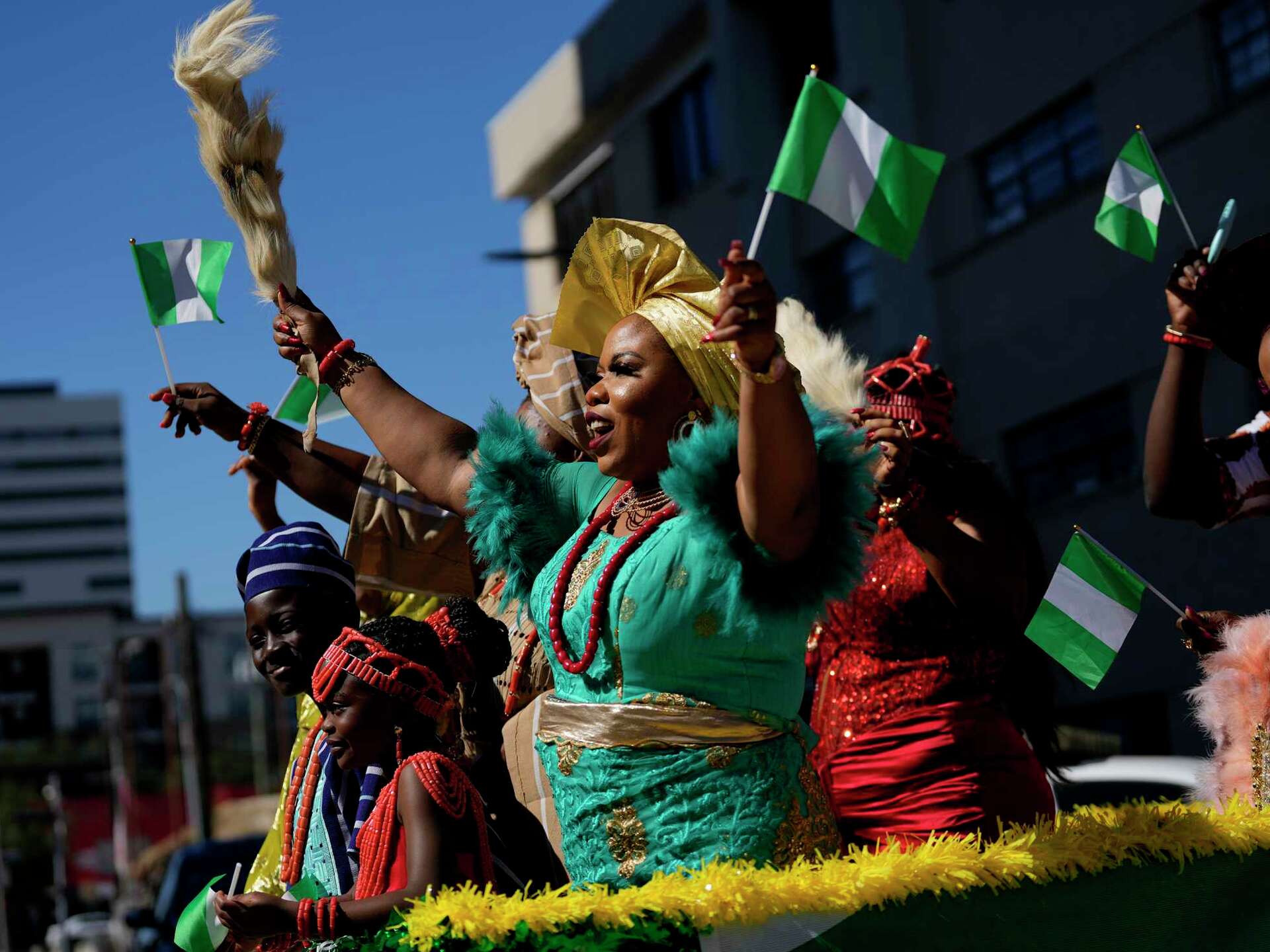
Diaspora Nigerians Redefining the World
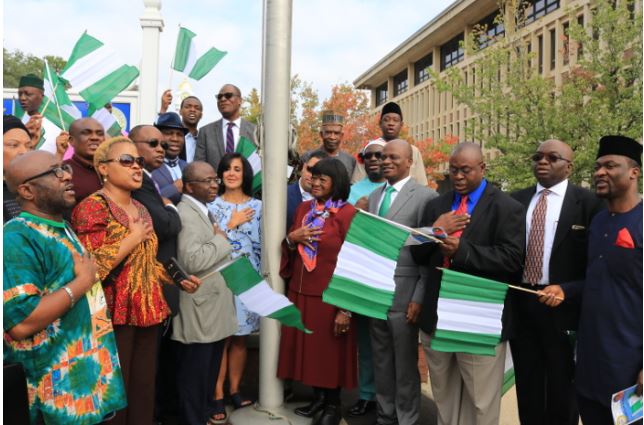
Related article - Uphorial Sweatshirt

Visual artists, too, are bending the global narrative. From Berlin to Toronto, Nigerian painters, sculptors, and photographers bring conversations about identity, migration, and post-colonial realities into mainstream art. Their exhibitions draw crowds not just for the beauty on the walls but for the stories behind them, stories of resilience, belonging, and the delicate act of living in two worlds at once. On the global music front, stars like Wizkid, Burna Boy, Davido, and Tiwa Savage have done more than top charts. They have created an international appetite for Nigerian rhythm and storytelling. Wizkid’s collaborations have pulled Afrobeats into the mainstream, Burna Boy has turned albums into political manifestos wrapped in danceable beats, Davido has built bridges between African and global pop, while Tiwa Savage continues to redefine female artistry with her voice and style. They have shown that to be Nigerian in the diaspora is not to dilute your identity but to amplify it for the world.
But this conversation cannot be reduced to fame alone. Being a Nigerian artist abroad is a delicate negotiation between heritage and adaptability. At home, you are celebrated as a cultural torchbearer; abroad, you are often seen through a single lens — the “African” artist. Breaking free from that box means infusing your work with layers that speak universally while staying anchored in authenticity. It means creating music that can fill a dance floor in Lagos and resonate with listeners in Paris. It means designing garments that feel at home on the streets of Abuja but can hold their own on a Milan runway.
There is also the digital dimension. Social media and streaming platforms have dismantled geographical limits, giving Nigerian artists in the diaspora direct access to global audiences. A painter in Toronto can sell to a collector in Tokyo. A music producer in London can collaborate instantly with a rapper in Abuja. And through these connections, the work evolves — it absorbs influences without losing its root identity. Yet, what makes these artists remarkable is not just their ability to adapt but their refusal to compromise the soul of their work. Ogisi’s fashion carries the spirit of African rituals into European catwalks. A British-Nigerian rapper’s lyrics echo the humor and grit of Lagos streets while flowing over London beats. A diaspora photographer frames an image that feels both like a memory from home and a glimpse into a shared global future.
The truth is, diaspora Nigerian artists are not merely redefining the global creative landscape; they are expanding it. They are proof that identity is not a fixed thing but a living, breathing force that can stretch across borders and remain whole. Their work is a conversation between past and present, between home and away, between the personal and the universal. And perhaps that is the real beauty of it all. When you stand in a gallery in Berlin or hear a song in New York and feel the pulse of Nigeria in it, you realize that these artists are not just telling their own stories. They are telling ours, wherever we are in the world.