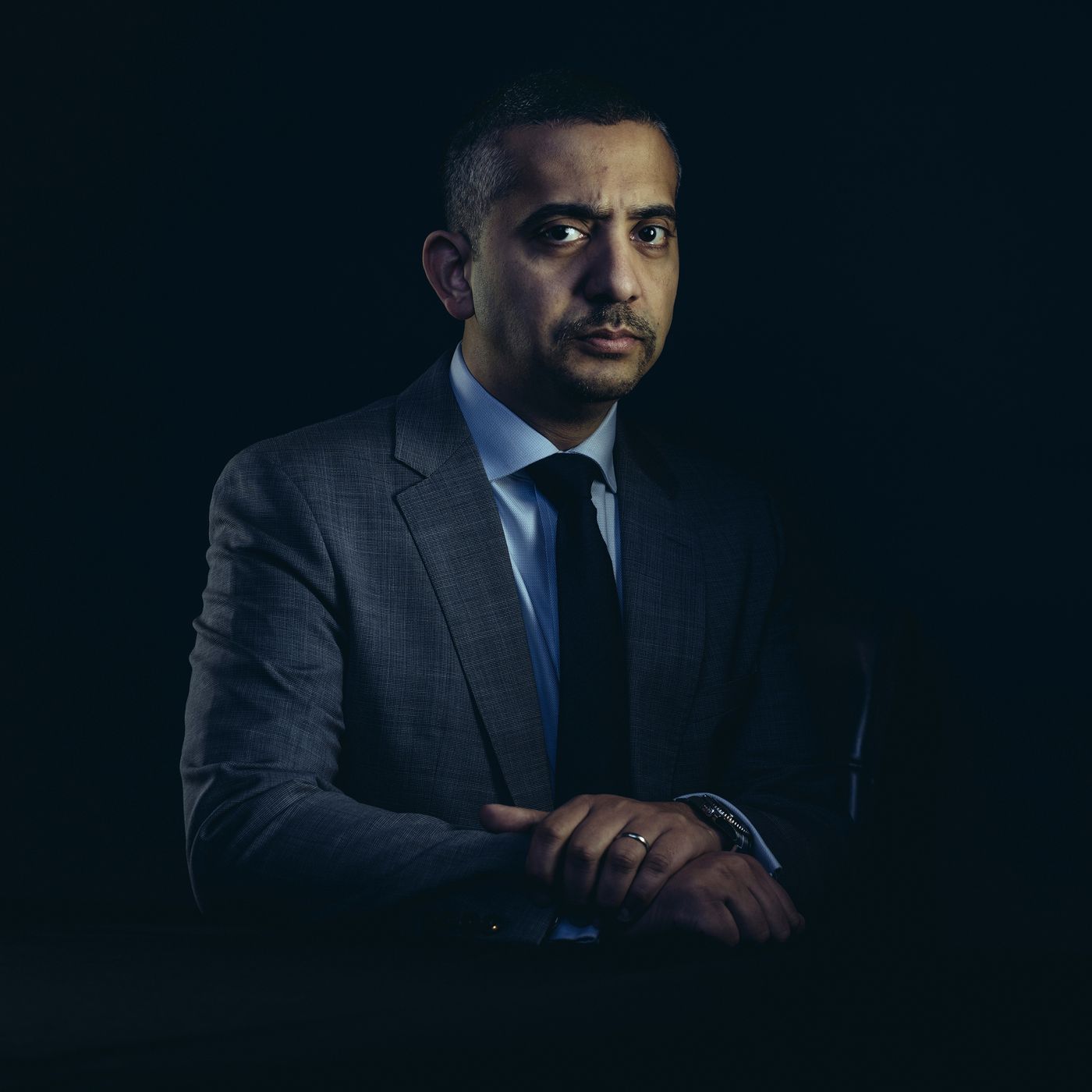
A high-stakes "Head-to-Head" debate recently pitted host Mehdi Hasan against Daniel Bwala, a spokesperson for Nigerian President Bola Tinubu, creating a volatile arena for examining the administration's ambitious "Renewed Hope" agenda. The confrontation served as a microcosm of the broader tensions currently gripping Africa’s most populous nation, where the government’s narrative of progress clashes sharply with reports of systemic insecurity and economic despair. Throughout the exchange, Hasan pressed Bwala on the administration’s handling of rising kidnappings and the perceived failure of military operations to curb banditry. While Bwala maintained that the government is engaged in a highly "targeted battle" against terrorism, his defense was met with skepticism regarding civilian casualties and the persistence of extremist violence.
The conversation took a sharp turn into the international sphere, addressing claims made by President Donald Trump regarding a "genocide against Christians" in Nigeria. Bwala was quick to dismiss this narrative as a "half-truth," arguing that the scourge of terrorism in Nigeria is indiscriminate and affects citizens across all religious divides. However, the internal credibility of the administration was equally under fire, as the debate shifted toward allegations of high-level corruption.
Related article - Uphorial Shopify

Hassan pointedly questioned President Tinubu’s personal wealth and the controversial appointment of officials previously accused of embezzlement. Bwala’s rebuttal centered on the idea that these accusations are unsubstantiated claims manufactured by political opposition, yet the shadow of these allegations continues to loom over the administration’s transparency efforts.
The economic reality for the average Nigerian provided the most somber chapter of the debate. The discussion highlighted the severe fallout from the removal of fuel subsidies, a move that has triggered a massive cost-of-living crisis. Panelist Aanu Adeoye of the Financial Times provided a grim data-driven perspective, noting that poverty numbers are moving in the "wrong direction," directly contradicting Bwala’s claims that economic indices are on the mend. This sentiment was echoed by Aisha Osori of the Open Society Foundations, who delivered a stinging "1/10" rating of the government’s performance on security. Although Tunde Doherty of the ruling APC party attempted to frame the reforms as necessary steps for stabilizing the national power grid and the broader economy, the overwhelming consensus from the expert panel suggested a nation at a breaking point, caught between the government's rhetoric of hope and a reality of deepening hardship.