The contemporary digital wellness ecosystem has evolved into a sprawling, unregulated laboratory where viral internet trends, biohacking subcultures, and aggressive online marketing routinely outpace rigorous scientific validation. Across social media platforms and fringe health forums, a new class of chemical compounds known as peptides is being aggressively promoted as miraculous elixirs for rapid tissue healing, anti-aging, enhanced libido, and physical optimization. In an exceptionally luminous, masterclass-level medical and investigative feature report, clinical experts and health researchers, including prominent medical analysts like Dr. Love, examine the alarming surge of unverified peptide consumption, breaking down the speculative science behind the so-called "Wolverine" healing stack, the severe safety and contamination perils of research-grade chemicals, the hidden health hazards of the aesthetic and libido-boosting "sex-maxxing" trend, the dangerous regulatory loopholes surrounding compounding pharmacies, and the fundamental misconception that biological nomenclature equates to safety. Through emotional precision, intelligent curation, cultural understanding, strategic storytelling, and transformational framing, this comprehensive news-style report explores a transcendent journey into the modern hazards of unregulated biohacking.
The investigation opens with a rigorous, sobering deconstruction of the popular internet phenomenon known as the "Wolverine" stack, primarily centered around synthetic peptides such as BPC-157 and TB-500, which are heavily marketed online for rapid sports injury recovery and tissue regeneration. Despite the near-mythical status these compounds have attained among fitness influencers, bodybuilders, and weekend warriors, Dr. Love explains that their alleged miraculous healing properties are based almost entirely on preliminary cell cultures or animal studies rather than robust, controlled human clinical trials. There is a staggering, dangerous mismatch between the absolute, unshakeable confidence found in internet forums and the actual paucity of verifiable medical evidence in humans. Through emotional precision, witnessing desperate athletes inject unvetted chemical substances into their bodies based on viral hearsay evokes a profound sense of protective sorrow—a stark reminder of how deeply human vulnerability can be exploited by the siren song of a quick physiological fix.
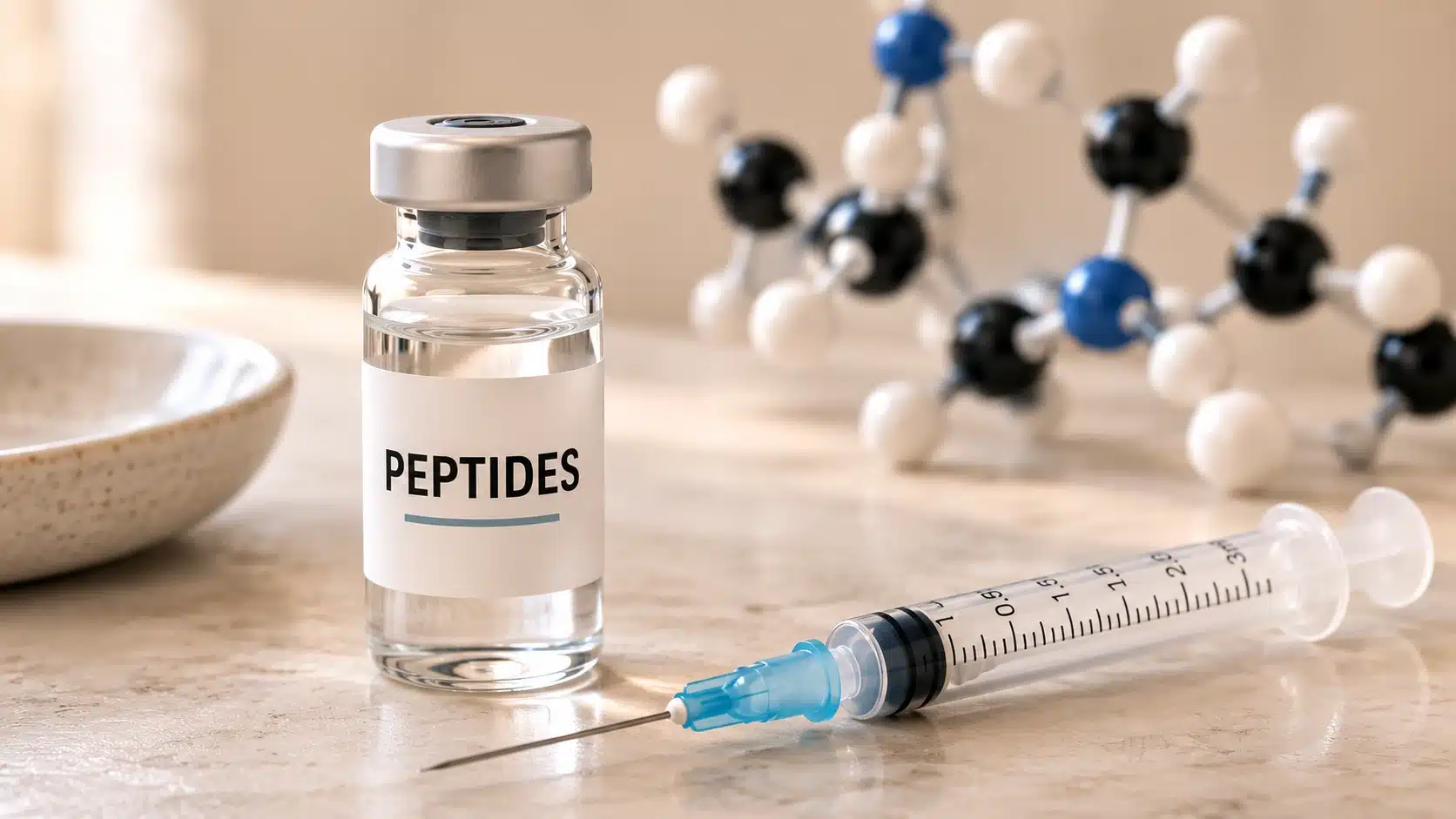
This speculative science is compounded by immediate, tangible physical dangers regarding safety, purity, and manufacturing contamination. Because many of these substances are legally restricted or unapproved for human consumption, consumers routinely bypass traditional pharmaceutical channels by purchasing compounds explicitly labeled for "research use only," or RUO. Operating entirely outside the oversight of regulatory agencies like the Food and Drug Administration, these grey-market supply chains are notoriously devoid of quality control. Independent laboratory analyses of such Internet-sourced peptide samples have repeatedly uncovered horrifying adulterations, including heavy metal contamination with toxic substances like lead and arsenic, alongside products that drastically fail to contain the advertised dosage or purity. Through intelligent curation of toxicological data, this analysis rips away the sterile veneer of clinical packaging to reveal a hazardous, underground market operating with total impunity.
Related article - Uphorial Shopify

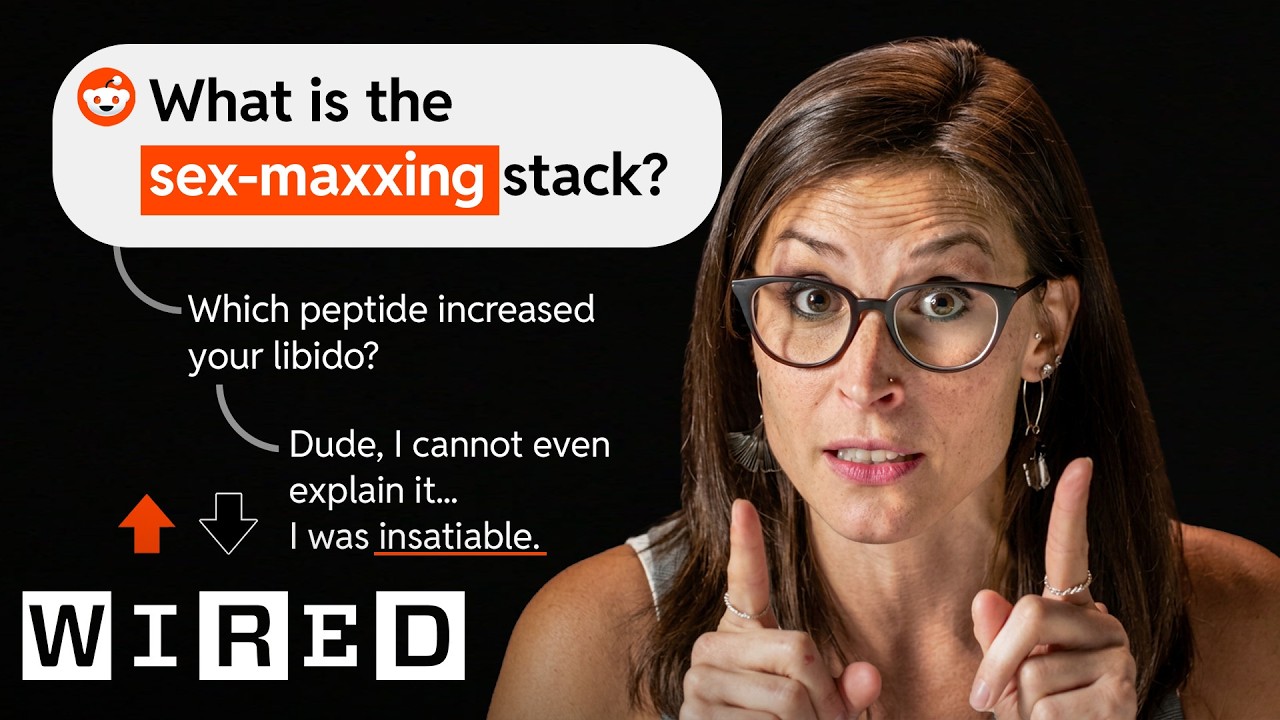
The pursuit of biohacked perfection extends far beyond injury recovery into the murky waters of aesthetic enhancement and sexual performance optimization, popularly branded within internet subcultures as "sex-maxxing." Dr. Love sounds a rigorous alarm regarding substances such as Melanotan II—frequently used for unregulated sunless tanning by inducing melanogenesis—alongside PT-141 and Kisspeptin, which are pursued for libido enhancement. None of these compounds are FDA-approved for aesthetic tanning or sexual dysfunction, yet they are casually self-administered by consumers unaware of their profound physiological tolls. Medical evaluations indicate that these unapproved agents carry severe health risks, including cardiovascular strain, neurological side effects, and deeply concerning potential links to cellular mutations and melanoma. Through cultural understanding of modern body insecurity, the report exposes how societal pressures for physical perfection drive individuals to gamble their long-term health on unmonitored pharmacological cocktails.
These consumer safety perils are further exacerbated by institutional and legislative shifts, specifically addressing recent, controversial efforts to permit compounding pharmacies to distribute unapproved peptide formulations. Dr. Love warns that granting compounding pharmacies the legal latitude to manufacture and distribute these custom peptide mixes creates a dangerous backdoor pathway, lending an unearned aura of clinical legitimacy to substances that remain fundamentally unproven and potentially unsafe. This regulatory creep blurs the critical line between legitimate pharmaceutical compounding—which serves vital medical needs for approved drugs—and the commercial exploitation of wellness trends by entities capitalizing on regulatory gray areas. Through strategic storytelling, this institutional critique frames public health not as a distant bureaucratic battle, but as a fragile shield protecting everyday people from predatory commercial interests.
The comprehensive investigation culminates in an essential, foundational reorientation of how consumers should evaluate biological substances in the modern age, dismantling the pervasive marketing myth that because a molecule is classified as a "peptide," it is inherently natural, gentle, or safe. Proteins and peptides are powerful signaling molecules that exert profound, systemic biological effects; treating them like harmless dietary supplements is a perilous gamble. The report concludes with an urgent call for radical consumer skepticism when confronting viral health trends that lack rigorous human trials and regulatory validation. Through transformational framing, this medical investigation transcends a simple warning against rogue biohacking; it stands as a brilliant cultural milestone, proving that true wellness can never be achieved by bypassing science, and that our bodies demand profound respect, empirical truth, and unyielding protection against the illusions of modern alchemy.