The global technology landscape is currently undergoing a period of profound structural transformation, defined by massive capital expenditure in infrastructure, a tightening labor market for the next generation of workers, and a desperate search for sustainable energy to power the next phase of the digital revolution. As major players report their latest earnings and strategic shifts, the narrative emerging from the industry is one of long-term positioning over short-term fluctuations. From the high-stakes world of cloud computing to the resurgence of nuclear energy on American soil, the underlying theme remains the same: the race to dominate the era of artificial intelligence is fundamentally rewriting the rules of the global economy.
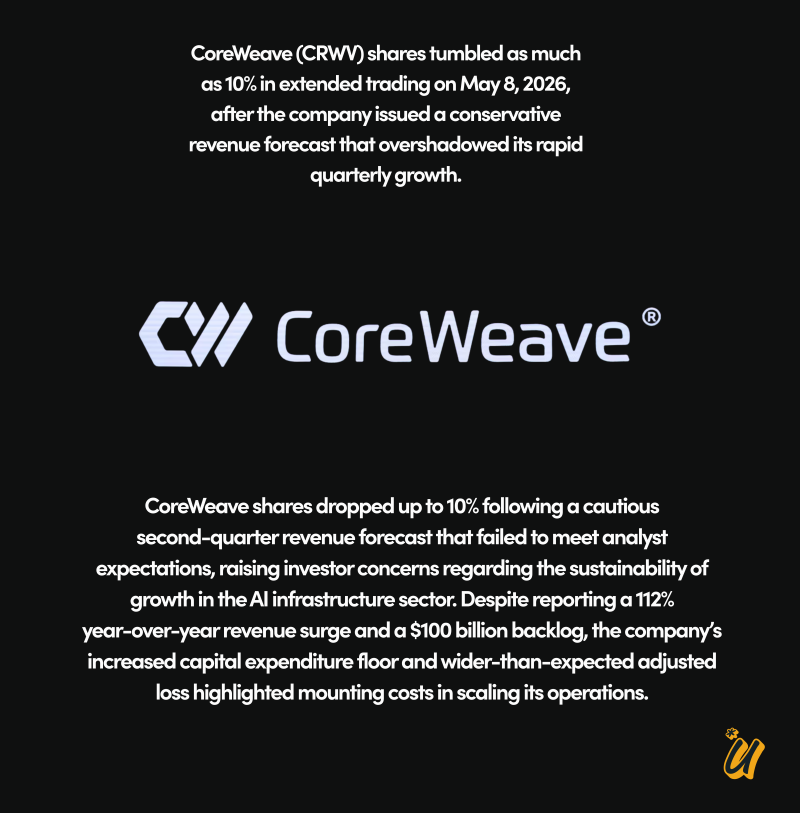
In the cloud infrastructure sector, CoreWeave has emerged as a central figure, particularly as it navigates the complexities of rapid scaling. CEO Michael Intrator recently addressed the investor community to provide clarity on the company’s financial trajectory following a dip in share prices. The primary concern among observers—margin compression—was framed by Intrator not as a sign of weakness, but as the inevitable byproduct of a massive, unprecedented infrastructure buildout. Building the backbone of the modern AI economy requires an immense upfront investment in hardware and data centers, a process that naturally puts pressure on operational margins in the short term. However, Intrator remains steadfast in his outlook, pointing to a diversified and high-profile client base that includes industry titans like Meta and sophisticated financial firms like Jane Street. This demand signal suggests that the appetite for specialized compute power is not only sustaining but accelerating, providing a buffer against the volatility of the broader markets.
As the physical infrastructure of AI expands, its impact on the human workforce is becoming increasingly visible, particularly for those just entering the professional world. Clara Shih of the New Work Foundation has highlighted a growing crisis in the tech labor market, noting that Gen Z is facing an uphill battle unlike any previous generation. The traditional entry-level white-collar roles that once served as the primary training grounds for young professionals are being fundamentally reshaped or entirely automated by AI. To survive in this new environment, Shih argues that being "tech-savvy" is no longer sufficient; the new mandate for the modern worker is to become "AI native." This shift requires a radical reimagining of career development, where the ability to leverage machine intelligence is as foundational as literacy or numeracy. The challenge for the current workforce is not just competing with AI but learning to direct it in ways that preserve the value of human institutional knowledge.
The ripple effects of these technological shifts are also being felt in the consumer services sector, as seen in the recent performance of major platforms like Lyft. CEO David Risher has noted that the company is leaning heavily into international expansion while simultaneously finding new ways to engage a younger, more cost-conscious demographic. Among Gen Z riders, a trend known as "rewards maxing" has emerged, where users meticulously navigate loyalty programs to extract the most value possible from every transaction. Behind the scenes, Lyft is also seeing the internal benefits of the AI revolution. Risher pointed to significant gains in developer productivity, driven by AI tools that allow the company to ship code faster and refine its platform with greater efficiency. This internal optimization is becoming a key differentiator for companies looking to maintain their competitive edge in a crowded market, as seen in the volatile but closely watched stock movements of firms like Cloudflare and Lyft during this earnings cycle.
Perhaps the most surprising turn in the current tech narrative is the sudden "nuclear renaissance" taking place in the energy sector. To meet the insatiable energy demands of massive AI data centers and the wider Big Tech ecosystem, energy providers are turning back to a source that was once considered to be in permanent decline. Will Wade reports that the reopening of Three Mile Island—a site synonymous with the historical challenges of nuclear power—marks a pivotal moment in American energy policy. This move is not being driven solely by a desire for carbon-neutral energy, though that remains a significant factor. Instead, it is being propelled by cold, hard financial incentives. Big Tech companies require a level of consistent, high-capacity "baseload" power that current wind and solar infrastructure simply cannot provide at scale. The return to nuclear power represents a pragmatic, if controversial, solution to the power hunger of the digital age. While domestic energy and labor issues dominate the headlines, the geopolitical dimension of technology remains a source of constant tension. The delicate balance of US-China relations continues to hang on the management of tech blacklists and the restricted access to advanced semiconductors. Mike Shepard has explored how future trade talks and regulatory shifts could drastically alter the supply chain for the chips that power everything from smartphones to the most advanced AI models. As the United States maneuvers to protect its technological sovereignty, the risk of further decoupling looms large, potentially fragmenting the global tech market. For companies and investors alike, the coming months will be a test of resilience, as they navigate a world where technological innovation is inextricably linked to geopolitical strategy and the fundamental availability of power and talent.