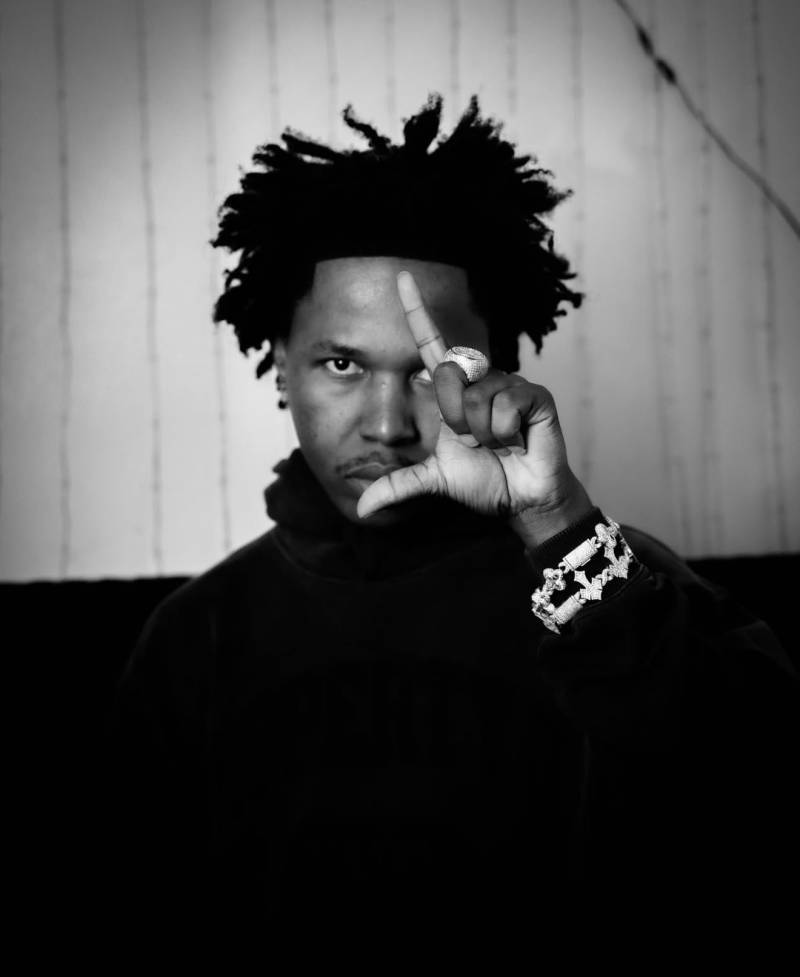
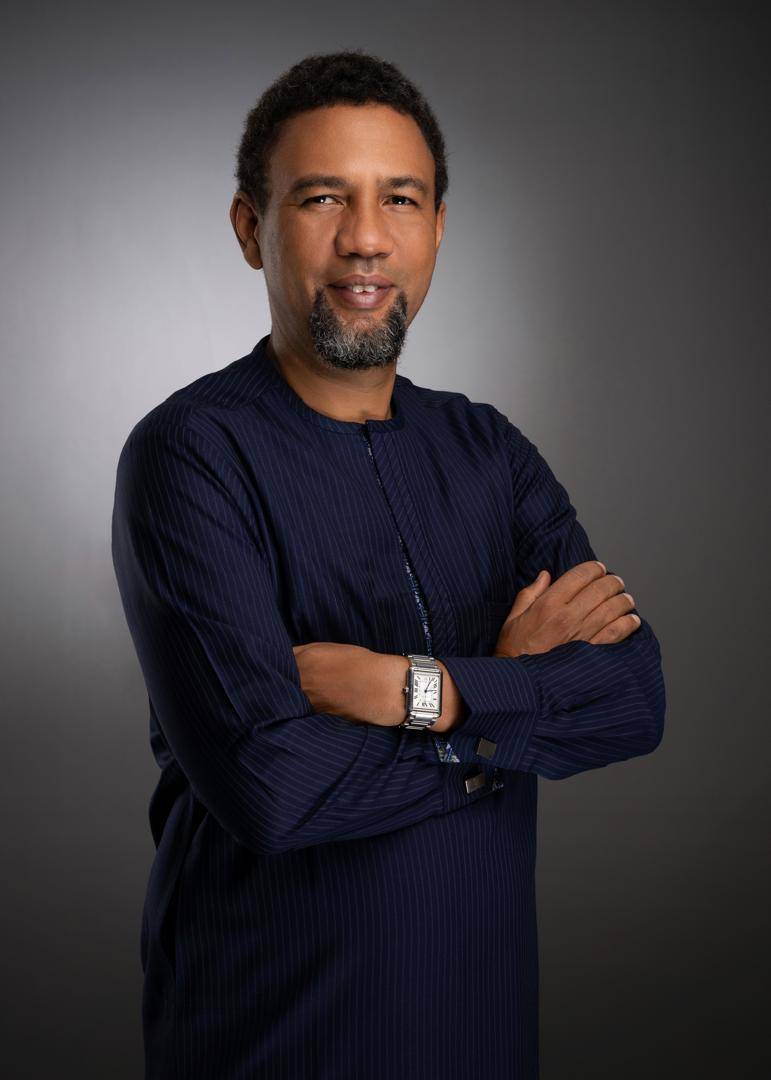
Speaking from the Afrobeats Podcast studio in London, music entrepreneur Bankulli, a figure known for his collaborations with global icons including Jay-Z, Kanye West, and Beyonce on the Grammy-nominated The Lion King: The Gift, joined host Adesope Olajide to dissect the critical operational and cultural issues plaguing the global Afrobeats industry. Bankulli, who modestly refers to himself as a music entrepreneur, used his recent two-month trip across Canada—undertaken to observe the "human experience" and the impact of the culture for his documentary, Chronicles of Afrobeats—as the basis for a stark critique of the expectations placed on artists and promoters.
Host Adesope Olajide welcomed Bankulli, recognizing him as one of the few people on the African continent who has contributed vocally and executively to such high-profile, award-winning albums. Bankulli immediately thanked Olajide for maintaining a consistent platform like the Afrobeats Podcast, noting that others have created platforms that became a "bottleneck" for Afrobeats.
A major concern raised by Bankulli on the Afrobeats Podcast was the lack of accountability from artists regarding show promotion. He asserted that artists are the "front runner" and "face" of their business, arguing that if their "millions of followers are not Bots, then you should sell thousands of tickets". Artists are obligated to promote their shows to their massive following rather than relying on a promoter who might only have a thousand followers. He lauded Wizkid's commitment to the continuous, six-month promotion of his three nights at the O2 Arena, which resulted in 60,000 sold-out tickets and proved the culture is "bankable". He also praised Burna Boys’ team for running targeted ads on TikTok months ahead of a December Canadian show, allowing fans to save money for premium gate fees. However, Bankulli shared a deeply concerning observation from Winnipeg, Canada: a major artist with millions of followers on Instagram pulled only 159 fans for a 5,000-capacity venue, a failure he directly linked to a lack of promotion and a "lack of trust" stemming from previous cancellations. He expressed disgust over industry complacency, citing a show where he and Olajide were present that was scheduled for 8:00 p.m., yet the stage was not set up until midnight. Bankulli stated that Afrobeats should be "Beyond that kind of disgusting level".

Related article - Uphorial Shopify

Bankulli also addressed the deep-seated issues facing independent promoters in Canada and beyond, noting that problems arise from both the artists and the promoters themselves. He observed that promoters are "fighting their selves", a trauma response inflicted by "bad artists". This internal bickering has contributed to the "stand still" of the London market, according to Bankulli. He recounted speaking with promoters in Edmonton where rivals engaged in what he called "witchcraft" by going online to actively spoil ticket sales for competing shows. His advice to Canadian promoters was to unionize, establish association constitutions, and support each other by avoiding competing shows on the same day.
The executive producer also scrutinized the integrity of Afrobeats music itself, expressing concern about a "concerted effort" by an unnamed streaming platform to push an "Afro House" sound through playlisting. Bankulli insisted that "Afro beat is not Afro House" and argued that this agenda creates a "retrospect effect" on creators who produce music solely for chart placement and playlists, neglecting the "real consumers". This pressure, he lamented, results in new music that is "not real" and lacks penetration, often forcing DJs in clubs to revert to playing classics to keep dancers engaged. He championed artists like Rema, Joeboy, and Oxlade whose success comes from "Hard work, talent, listening, good team and pray to God," emphasizing that they dictate the tune because of their freedom.
Bankulli also praised Flavor, whom he has a "very deep history" with, calling him one of Africa’s wealthiest musicians. He noted Flavor’s domestic power to sell out 30,000-capacity stadiums across the eastern Nigerian states. After listening to Flavor's new music stemming from a partnership with Warner Music, Bankulli described the sound as "premium," "very tasteful," and "peculiar to musicianship," representing core African genres like High Life and Fuji, which he views as the stable sounds supporting Afrobeats.
Finally, the discussion addressed the increasing gang affiliation within the industry, which Bankulli believes is "killing the business" as artists feel they must affiliate with certain groups to secure collaborations. He advised young musicians to prioritize self-belief, be organized, understand their true role (not everyone is meant to be a performing artist), and most crucially, "Stay out of drugs," specifically warning against weed, emphasizing that young creatives should not compare themselves to icons like Fela Kuti without acknowledging Fela’s intense work ethic. He asserted that music is a "spiritual" business that should remain separate from gang association. Bankulli concluded that Afrobeats sits historically on the foundation of stable genres like Fuji and High Life, which must be embraced. The Afrobeats Podcast concluded with the promise of a part two with Bankulli.