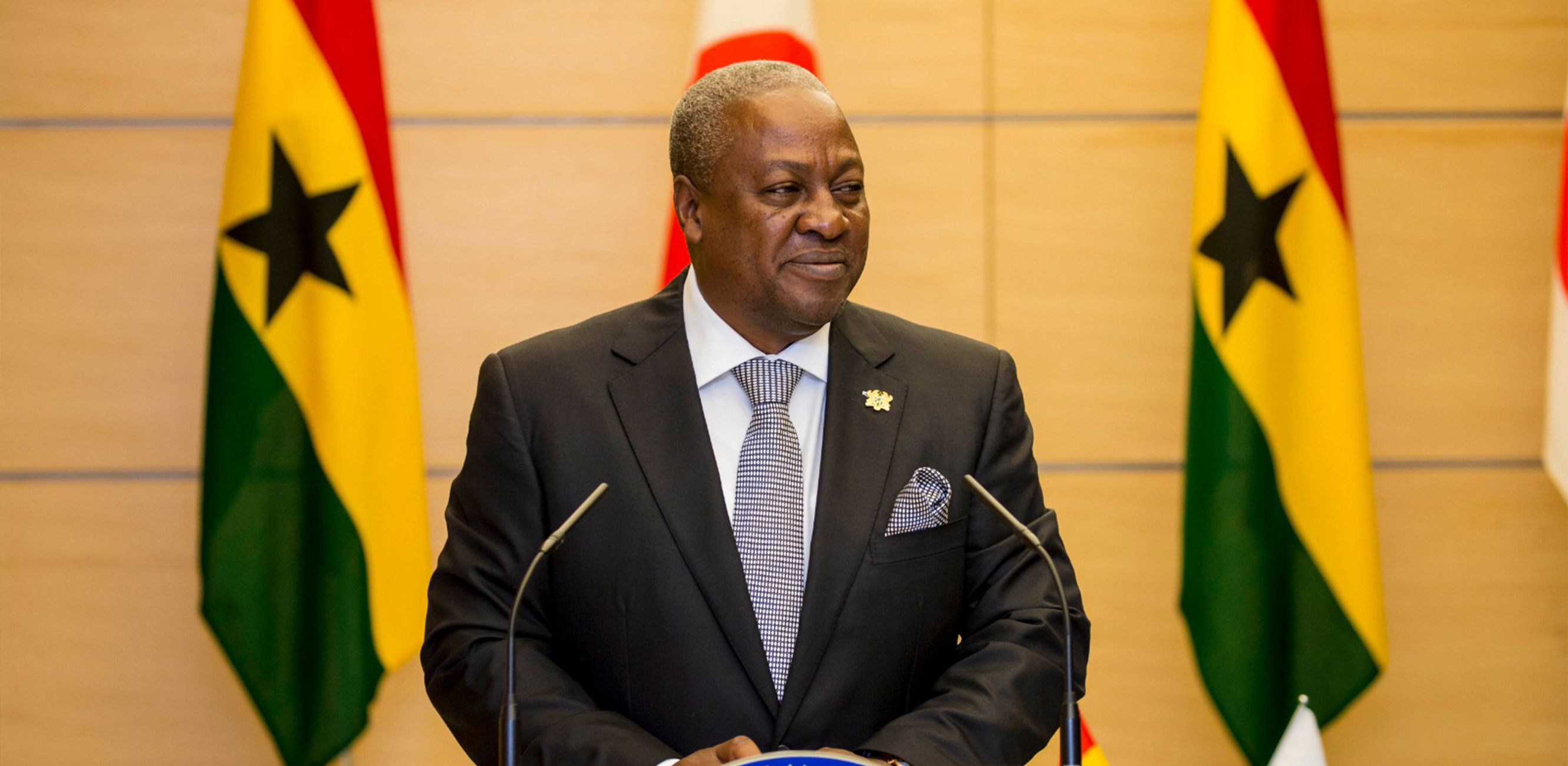
Accra Ghana - In a landmark address at the 2026 World Governments Summit, H.E. John Dramani Mahama, President of the Republic of Ghana, called for a fundamental "re-imagination and renewal" of global alliances to meet the urgent demands of the 21st century. Speaking to an international audience of heads of state and policy experts, President Mahama argued that the era of alliances built solely on geopolitical rivalries and military competition must give way to partnerships rooted in shared responsibility and collective advancement. President Mahama identified a suite of interconnected "borderless" challenges—including climate change, food and energy insecurity, global health emergencies, and technological disruptions—as the primary drivers that require a new multilateral approach. He warned that fragile supply chains and widening inequalities are no longer isolated national issues but systemic threats to global stability. To address these, he proposed that future alliances focus on building resilient systems rather than traditional diplomatic posturing. Central to the President’s address was the assertion that Africa will play a decisive role in the future global economy. Citing the continent’s youthful demographic, vast natural resources, and an expanding market of over 1.3 billion people, he stressed that Africa must no longer be a mere theater for external competition. Instead, he called for high-value partnerships that prioritize investments in renewable energy, digital transformation, and human capital development, ensuring that Africa is a "co-designer and co-owner" of global solutions.
Related article - Uphorial Shopify
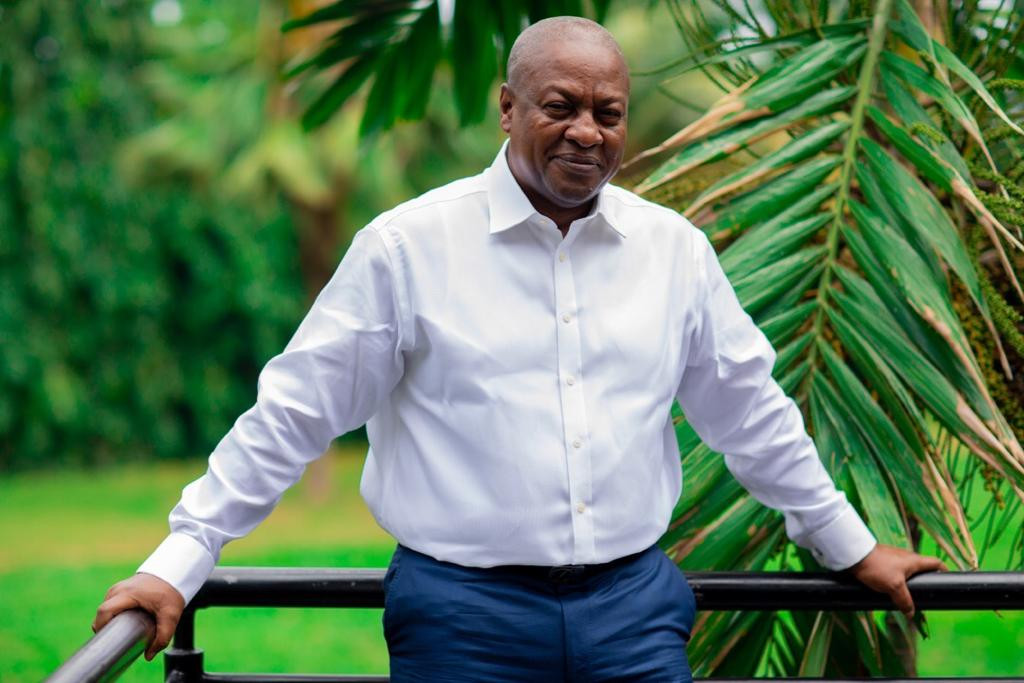

A key pillar of his vision is the "Accra Reset," a strategic roadmap launched by his administration to transition African nations from a legacy of aid dependence toward a future of trade, investment, and health sovereignty. President Mahama advocated for this framework as a global model, emphasizing that accountable governance, the protection of human rights, and the strengthening of institutions are the internal foundations necessary for such a transition to succeed. Addressing regional concerns, the President underscored the critical importance of peace and security in West Africa. He called for intensified regional cooperation and democratic stability as the only viable defense against the spread of violent extremism and terrorism. Furthermore, he addressed the rise of artificial intelligence, urging leaders to implement ethical governance and inclusive capacity building to ensure that the digital revolution does not exacerbate existing global divides. President Mahama concluded his speech with a fervent plea for climate justice, reminding the global community that its commitments to climate finance must be honored to protect the most vulnerable nations. He finished on a hopeful note, stating that the future of global alliances depends on the courage to choose cooperation over division, envisioning a world where nations "rise together" to meet the challenges of a rapidly changing era.