San Francisco – In the crisp air of the San Francisco Bay Area, football history was written not in a single act of dominance, but in a tense, evolving dialogue between two nations walking vastly different paths. For Austria, the encounter at the San Francisco Bay Area Stadium was a long-awaited homecoming—their first World Cup appearance in twenty-eight years, a return to the global stage after nearly three decades of yearning. For Jordan, the night represented the ultimate threshold: a historic, first-ever debut on the world’s most prestigious footballing stage.
The narrative arc of the match began with the measured confidence of an Austrian side eager to shed the weight of their long absence. In the 21st minute, Romano Schmid provided the opening chapter, a moment of individual brilliance that seemed to validate the weight of expectation on his team. From the edge of the penalty area, Schmid unleashed a thunderbolt—a precise, curling strike that defied the goalkeeper’s reach and rippled the back of the net. It was the kind of goal that serves as a statement of intent, an early declaration that Austria had not returned to the tournament merely to participate, but to leave an indelible mark on Group J.
VRelated article - Uphorial Shopify

Yet, the beauty of the World Cup lies in its capacity to humble the favorites and embolden the dreamers. Jordan, undeterred by the deficit and the sheer scale of the occasion, emerged for the second half with a renewed spirit. In the 50th minute, that spirit found its reward through Ali Olwan. As he carved through space and fired a sizzling effort in off the far post, the stadium erupted. It was more than a goal; it was the first time Jordan had ever found the net in a FIFA World Cup, a milestone moment that instantly transformed the atmosphere in Santa Clara. The historic debut had found its heartbeat, and for a period, the underdogs looked every bit the equal of their seasoned opponents.
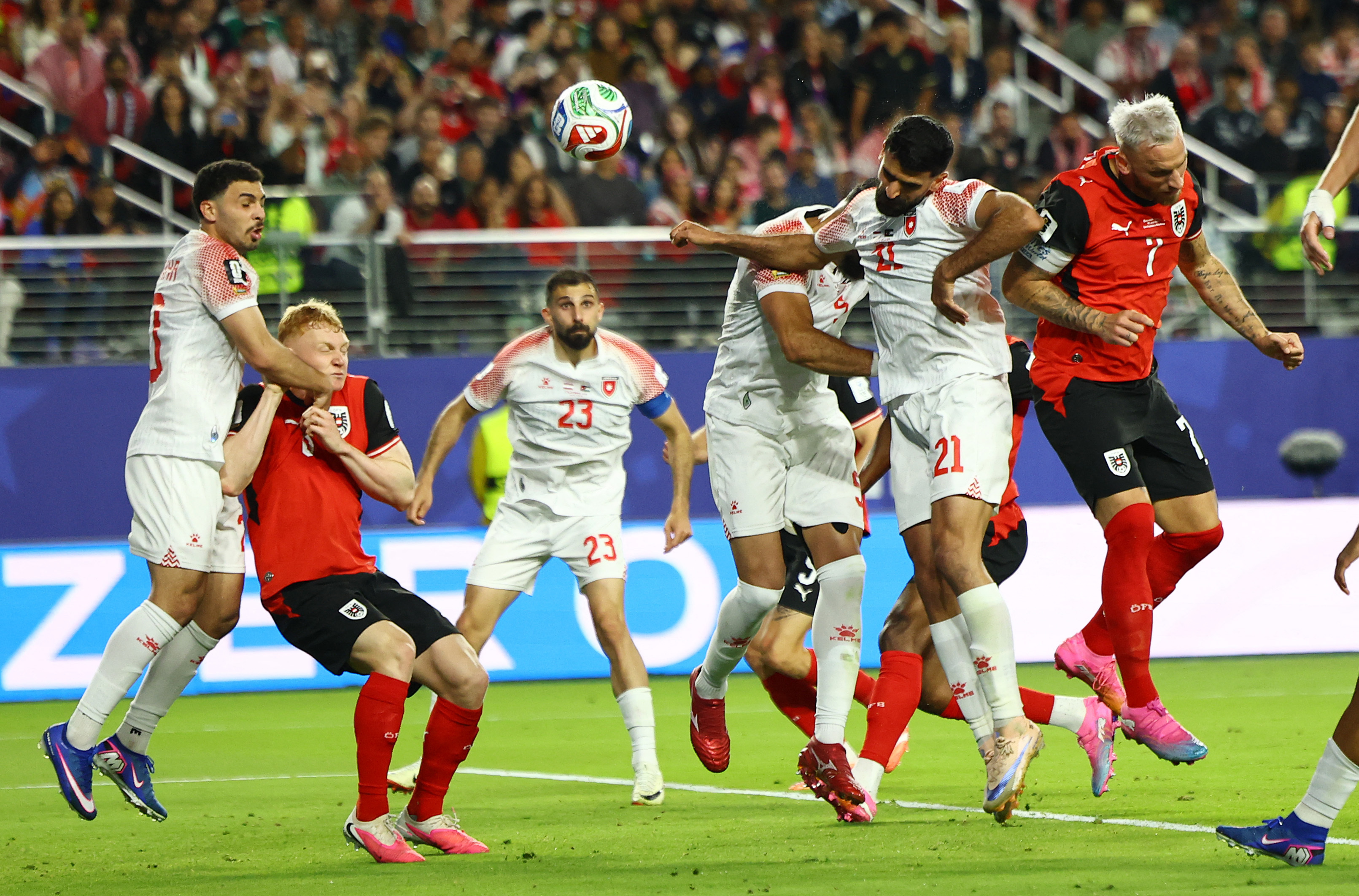
The match then descended into a period of high-stakes attrition, where the margins for error narrowed to nothing. The tension was palpable when Austria thought they had regained the ascendancy through a strike from the veteran Marko Arnautović. However, the modern game’s cold, analytical eye—the VAR—intervened, ruling the goal out after a handball was detected in the buildup. It was a stark reminder of how thin the line between triumph and frustration can be on this stage, a moment that could have deflated a lesser side.Instead, the incident served as a catalyst for Austria’s final, decisive surge. Their perseverance through set-pieces became the primary instrument of their victory. In the 76th minute, a corner kick whipped into a congested Jordan penalty area forced a moment of unfortunate chaos; the ball ricocheted off defender Yazan Al-Arab and crossed the line, granting Austria a 2-1 lead in the most breathless of fashions.
As the match bled into deep stoppage time, with Jordan pushing forward in a desperate, valiant quest for a second equalizer, the gaps opened at the back. It was here that the veteran, Arnautović, finally cemented his influence on the night. After a handball incident involving Salim Obaid, the referee pointed to the spot. Stepping up with the composure of a man who has seen every high and low the sport can offer, Arnautović converted the penalty. The final 3-1 scoreline, while ultimately decisive, masked a contest of remarkable depth and courage.For Austria, the victory was a cathartic release—a validation of their hard-fought return to the tournament’s elite. For Jordan, the result was perhaps a bitter pill, yet they departed the pitch having claimed a piece of history that no scoreline could diminish. They had proven they belonged on this stage, scoring their first goal and competing with unwavering resolve. As the lights faded over the San Francisco Bay Area, both teams left having contributed to the rich, enduring tapestry of the World Cup, marking the opening of Group J with a story of resilience, breakthrough, and the relentless, universal pursuit of excellence.