LOS ANGELES – To celebrate the half-century mark of a company that redefined the intersection of humanity and technology, Apple CEO Tim Cook recently granted The Wall Street Journal unprecedented access to the tech giant’s private archives at Apple Park. This rare excursion into the "vault" of Silicon Valley’s most secretive institution served as more than a mere retrospective; it was a philosophical meditation on five decades of innovation. As Cook navigated through shelves of early patents and rare prototypes, he reflected on the pivotal milestones that transformed a garage-born startup into a global cultural juggernaut, offering a candid look at the high-stakes decisions and "man-on-the-moon" challenges that defined the Apple era.
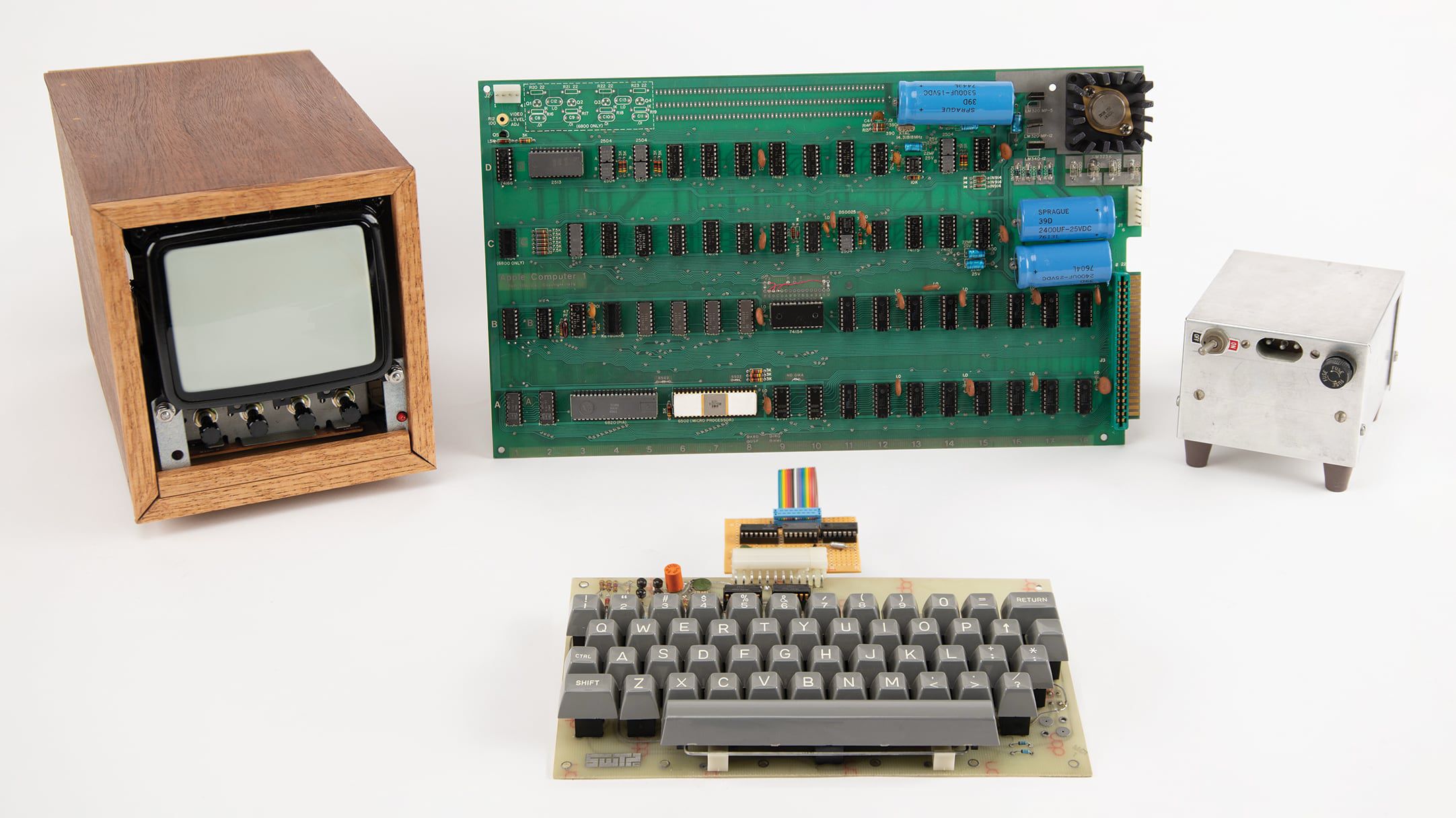
The journey through the archives began with a sense of genuine discovery, even for the man who has led the company since 2011. Cook admitted that many of the artifacts on display were items he had never seen in person, including the original patent for the Apple II. Believed to be the very first patent ever filed by the company, the document stands as a testament to the foundational vision of Steve Jobs and Steve Wozniak. For Cook, seeing the physical blueprints of the machine that sparked the personal computing revolution was a humbling reminder of the company's humble origins and the sheer audacity required to imagine a world where every home had a computer.
The conversation naturally gravitated toward the early 2000s, a period Cook identifies as a radical turning point for the brand’s identity. Reflecting on the iPod, Cook noted that the device was far more than a music player; it was a fundamental shift in how humans interacted with digital media. The promise of carrying "a thousand songs in your pocket" was a monumental departure from the clunky portable CD and cassette players of the previous decade. However, Cook revealed that the true genius of the iPod lay behind the scenes. He highlighted the massive, often overlooked difficulty of scaling the supply chain to meet a demand that suddenly reached into the millions, requiring a level of manufacturing precision that the industry had never before attempted at such a scale.

Related article - Uphorial Shopify
Despite the success of the iPod, Cook cited the 2007 launch of the iPhone as his singular favorite moment during his tenure at Apple. He reflected on the intense pressure of the weeks leading up to the keynote, specifically a "man-on-the-moon" engineering crisis regarding the device's screen. Early prototypes utilized plastic screens that were found to scratch easily when placed in pockets alongside keys and coins. In a daring late-stage pivot, the team decided to switch to glass—a material many thought was too fragile for a handheld device. The successful execution of this change just before the launch remains, in Cook’s view, the ultimate example of Apple’s refusal to compromise on the user experience, regardless of the technical hurdles.
When the discussion turned to the inevitability of setbacks, Cook offered a refreshing perspective on the company’s philosophy regarding failure. Rather than viewing unsuccessful products as stains on the company's record, he characterized them as essential learning opportunities and stepping stones to the next great project. This culture of iterative improvement is perhaps most evident in the evolution of the Apple Watch. Cook noted that the device was not an instant hit in its original form but evolved over time into an indispensable health and fitness companion. He described this trajectory as an "overnight success in reverse," where years of subtle refinements and software integrations eventually led to a product that millions of users now rely on for their daily well-being.
Looking toward the next fifty years, Cook envisions a future where the distinction between hardware, software, and services continues to dissolve. His goal remains the seamless integration of technology into the fabric of daily life to enrich human experiences rather than distract from them. The archival session concluded on a sentimental note as The Wall Street Journal presented Cook with two historical artifacts: the paper’s very first mention of Apple from 1978 and a 1998 article documenting Apple’s initial decision to hire him. For Cook, these documents served as bookends to a remarkable journey, illustrating how a company built on early patents and risky prototypes grew to change the world, one pocket-sized revolution at a time.