HOUSTON — The aerospace community is currently fixated on the Florida coastline as NASA prepares for the most ambitious crewed mission of the twenty-first century. Artemis II represents a definitive turning point in human history, marking the first time in over fifty years that astronauts will venture beyond low Earth orbit to traverse the vast expanse toward the Moon. Not since the conclusion of the Apollo program in 1972 has a human crew left the immediate vicinity of our planet, making this ten-day lunar flyby a monumental "shakedown" of the systems intended to eventually return humanity to the lunar surface. Operating on a free-return trajectory, the mission is designed to test the limits of modern engineering while setting the stage for a sustained lunar presence.
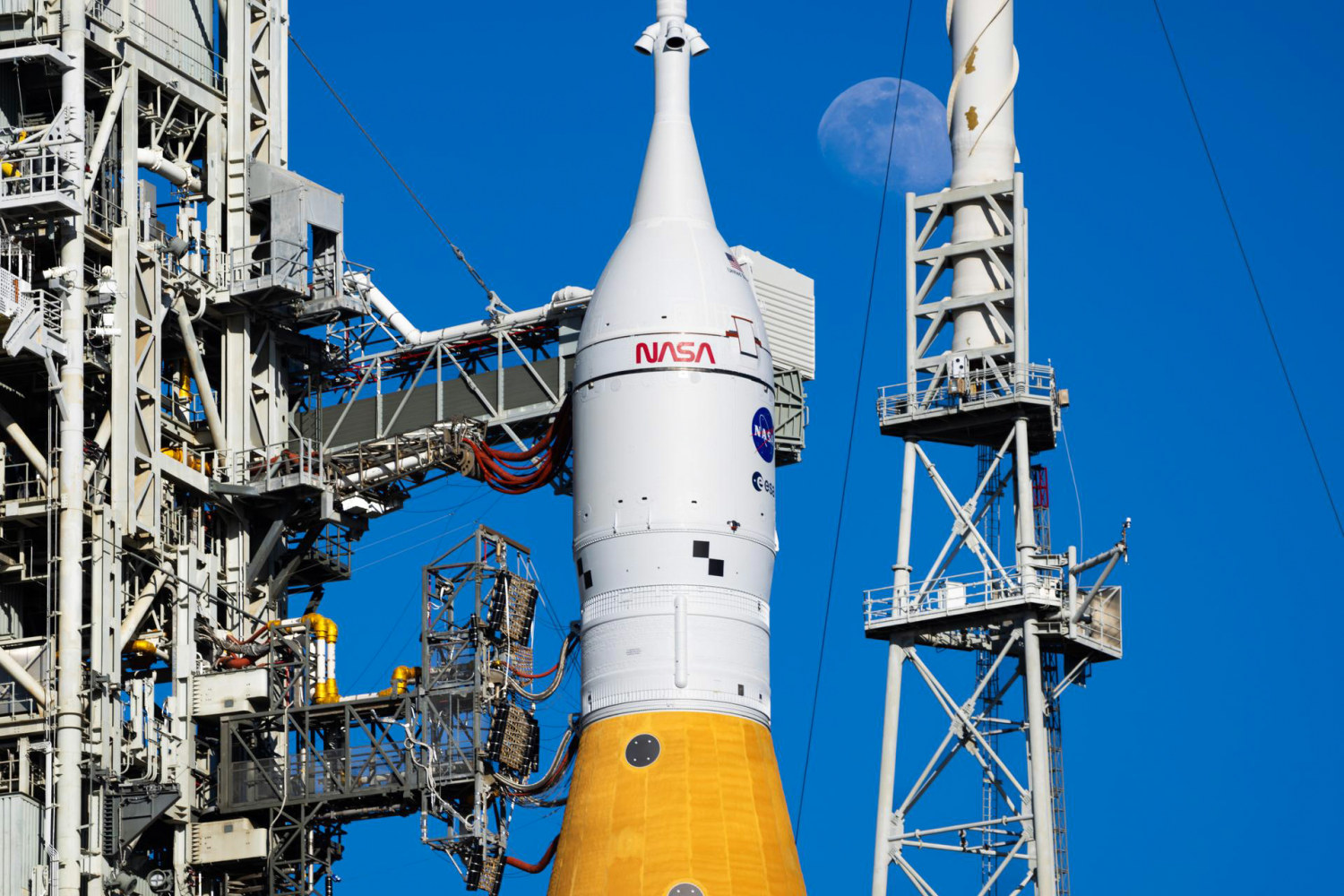
At the heart of this historic endeavor is a four-person crew selected for their deep expertise and diverse backgrounds. Leading the mission is Commander Reed Wiseman, joined by Pilot Victor Glover, and Mission Specialists Christina Koch and Jeremy Hansen. Together, they will pilot the Orion spacecraft, a vehicle that represents a massive technological leap over its Apollo-era predecessors. While the silhouette may feel familiar to space enthusiasts, the interior of the Orion is significantly roomier, featuring advanced avionics, modern life-support systems, and, in a notable upgrade for long-duration comfort, a fully integrated toilet. This craft is propelled into the heavens by the Space Launch System, or SLS, which currently holds the title of the most powerful rocket ever constructed by NASA, capable of generating the staggering thrust required to break Earth's gravitational pull with a crewed capsule.
The countdown to this new era of exploration is a meticulously choreographed sequence that begins nearly ten hours before the engines ignite. Propellant loading—the process of filling the SLS with its volatile mixture of liquid oxygen and liquid hydrogen—is scheduled to commence at exactly L-minus 9 hours and 25 minutes. As the clock ticks down toward the final seconds, the tension at Mission Control reaches a crescendo. At T-minus 33 seconds, the vehicle enters its automated terminal launch sequence, handed over to the onboard computers that monitor thousands of data points per second. At T-zero, the massive SLS boosters ignite, unleashing a pillar of fire that signals the official commencement of the Artemis era.
Related article - Uphorial Shopify

Once the roar of the launch fades, the mission enters its first critical phase as Orion reaches an elliptical orbit around the Earth. After verifying that all systems are functioning within normal parameters, the crew will execute the Trans Lunar Injection, a high-velocity engine burn that propels the spacecraft out of Earth's orbit and toward the lunar environment. This journey will take the crew further into the cosmos than any human being has ever traveled. Approximately 4 days and 21 hours into the flight, the Orion is scheduled to break the standing record for the furthest distance humans have moved from their home planet, a milestone that will officially usher in a new record for deep-space exploration.
The mission is not merely about reaching the Moon, but about ensuring a safe return to the world the crew left behind. After swinging around the lunar far side and utilizing the Moon’s gravity to slingshot back toward Earth, the Orion will begin its high-speed reentry into the atmosphere. The entire journey is expected to conclude with a precision splashdown and subsequent recovery by naval teams approximately 9 days, 1 hour, and 46 minutes after the initial liftoff. As a comprehensive guide to our future in the stars, Artemis II is more than a flight; it is the ultimate validation of the hardware, the software, and the human spirit required to make the Moon a stepping stone to the rest of the solar system.