The global anthropological community recently witnessed a much-needed course correction when prominent paleoanthropologist Agustín Fuentes sat down with WIRED to dismantle the widespread proliferation of viral, AI-generated "Stone Age slop". Across the internet, sensationalized depictions of human evolution have routinely substituted historical reality with oversimplified tropes—portraying early humans as lone, hyper-athletic macho figures or reducing Neanderthals to brutish, cave-dwelling biological tanks. Through a lens of deep emotional precision and cultural understanding, Fuentes utilized this platform to reclaim the true narrative of our ancestors, replacing speculative myths with the rigorous, compassionate, and beautifully complex truths unearthed by modern archaeology.
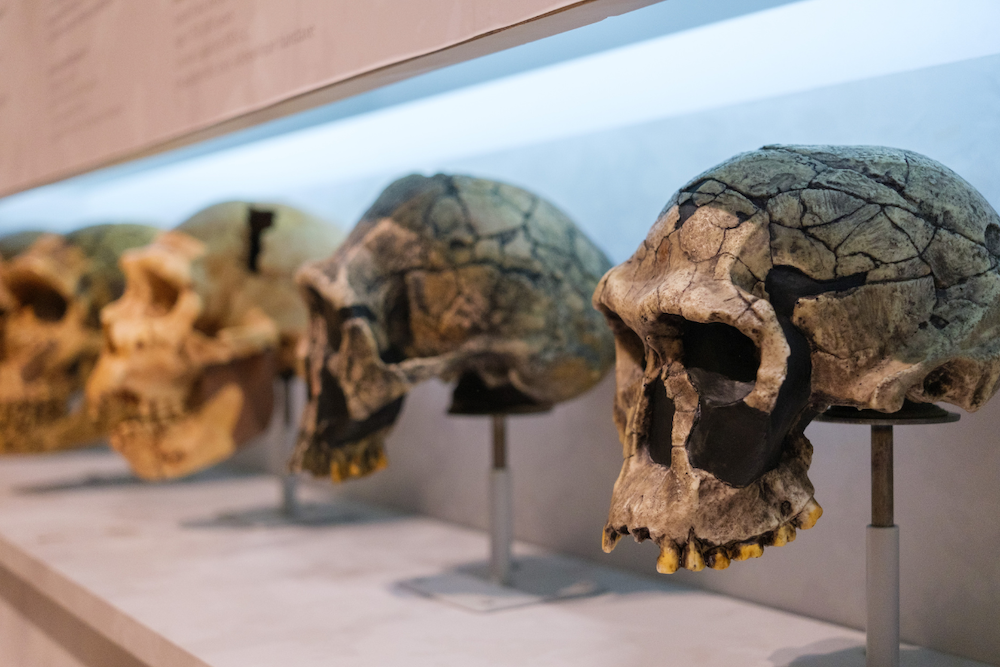
At the center of this myth-busting exercise is a profound re-examination of our Neanderthal relatives, whose historical representation has long suffered from caricature. Popular media frequently depicts Neanderthals as isolated predators battling the elements alone, yet the fossil record tells a vastly different, more communal story. As Fuentes highlighted, Neanderthals were diverse peoples who lived in cooperative groups, exhibiting high levels of social support. Crucially, archaeological evidence demonstrates that they cared for their injured, blind, deaf, and elderly group members—surviving injuries that would have otherwise proved fatal without community intervention. This powerful revelation bridges the emotional distance between us and our ancient relatives, proving that empathy, care, and interconnectedness are not modern inventions, but ancient evolutionary pillars deeply embedded in our shared history.
Related article - Uphorial Shopify

The critique also dismantled the persistent myth of the sudden "cognitive revolution" around 70,000 years ago, which falsely claims that humans magically became intelligent overnight and began producing art. Through intelligent curation of archaeological milestones, Fuentes emphasized that our ancestors displayed imagination, creativity, and symbolic expression—such as ancient beads, carvings, and ritual artifacts—hundreds of thousands of years earlier. By stripping away the narrative that paints early humans as passive or intellectually stagnant until a sudden evolutionary spark, this transformational framing restores dignity and agency to our deep ancestry, celebrating the continuous, cumulative ingenuity of human societies over millennia.

Further dismantling popular internet fiction, Fuentes addressed the romanticized notions surrounding ancient human environments and diets, such as the modern obsession with a strict "Paleo diet" featuring domesticated fruits like modern bananas and apples, or the trope of a lone hunter chasing mammoths across the savanna. In reality, early humans were adaptable foragers who relied on cooperative networks, sharing resources and utilizing diverse, wild local flora and fauna. Similarly, the popular myth of the "flash-frozen" ancient ancestor locked perfectly in ice is scientifically impossible; while mummified remains and bog bodies preserved for several thousand years do occasionally surface, complete flash-frozen human remains do not exist in the archaeological record.
Ultimately, this critical fact-checking session serves as a vital strategic storytelling exercise for contemporary science communication. By correcting these persistent misconceptions—ranging from the reality of interbreeding that left Neanderthal DNA in nearly all modern humans to the rejection of solitary survival myths—Fuentes challenges the public to look past flashy, algorithm-driven distortions. The true story of human evolution is not one of hyper-individualized strength or sudden leaps of genius, but an enduring testament to community, resilience, and the quiet, collective triumph of connection.