TANZANIA – In a harrowing yet deeply moving investigative report from the heart of East Africa, the dangerous and often invisible reality for individuals living with albinism in Tanzania has been brought into sharp focus. The documentary, captured by filmmaker Drew Binsky, unveils a landscape where genetic variation is met not with medical understanding, but with deep-seated superstition and lethal greed. In 2026, despite global advancements in human rights, Tanzania remains a focal point for a specialized and horrific form of persecution: the systematic hunting of people with albinism based on the archaic belief that their body parts possess magical properties capable of bringing immense wealth and political power to those who possess them.
The film serves as a visceral window into a society where the skin's lack of melanin is perceived as a commodity rather than a medical condition. This dehumanization has created a climate of constant fear, where children are often unable to walk to school or sleep in their own homes without the threat of abduction or mutilation. However, amidst this darkness, the documentary finds a beacon of defiance in the form of a sanctuary run by Sister Martha. Currently housing approximately 50 children, Sister Martha’s center has become a vital "Safe Haven" for those who have been abandoned by their families or targeted by traffickers. It is a space where the traditional roles of predator and prey are dissolved, replaced by an environment dedicated to education, safety, and the simple, reclaimed right to a childhood.
The personal stories emerging from the sanctuary are a testament to a profound level of familial betrayal. Several young residents share traumatic accounts of being rejected or even targeted for violence by their own parents—the very people tasked with their protection. One child recounts the moment they realized their life was being negotiated as a financial asset by a relative, a narrative that is tragically common in a region where the black market for "muti" (traditional medicine) remains a lucrative, albeit illegal, industry. Despite these scars of rejection, the shelter offers a transformative counter-narrative. Within its walls, these children are building a community rooted in mutual recognition and a sense of belonging that was previously denied to them by the outside world.

Related article - Uphorial Shopify

Sister Martha’s mission is revealed to be born from a place of deep, empathetic resonance. She explains to Binsky that her ministry was not a random act of charity, but a calling forged in her own history of struggle and rejection. Her work goes beyond the immediate provision of armed security and high walls; she is engaged in a war of perception. Her primary goal is to dismantle the mythological scaffolding that supports the hunting of people with albinism. By integrating these children into local educational systems and advocating for their rights, she is forcing a conversation about human dignity, demanding that they be recognized as human beings worthy of the same respect and safety afforded to any other citizen of Tanzania.
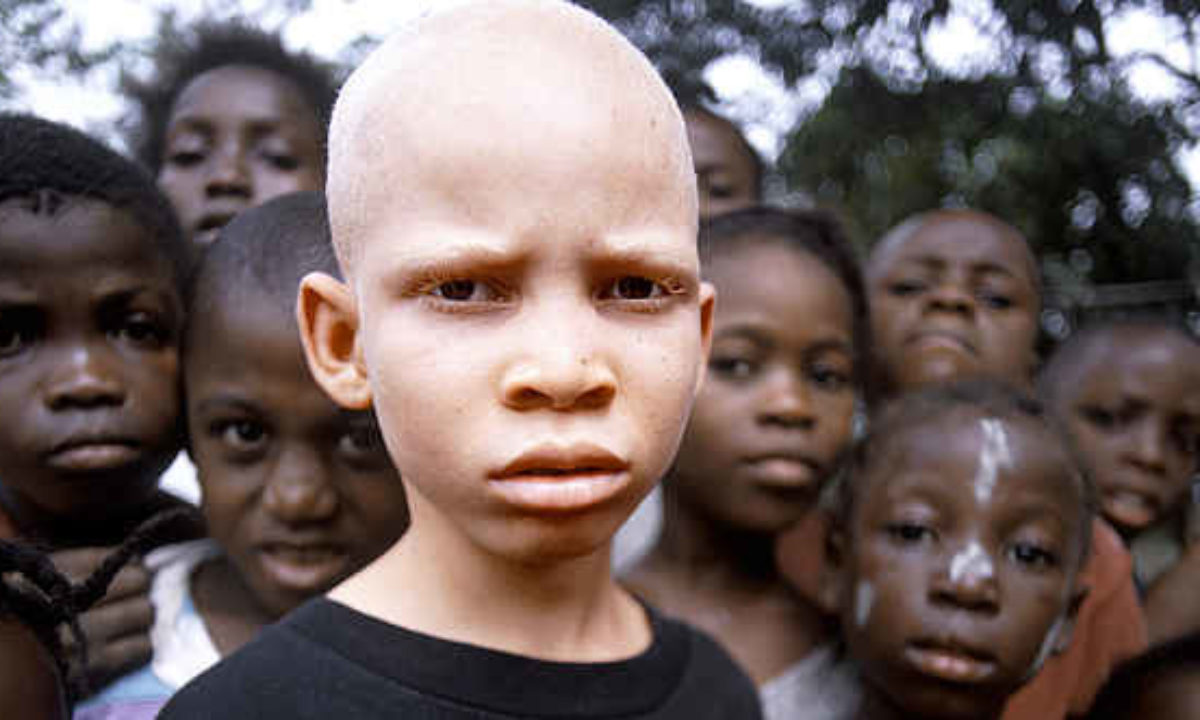
However, the threats to these vulnerable lives are not solely human. The documentary sheds light on the severe, daily health complications that plague the albinism community, most notably the high incidence of skin cancer. In the equatorial sun of Tanzania, unprotected skin is a death sentence, yet the consistent medical care, high-SPF sunscreens, and protective clothing required to survive are prohibitively expensive for the average citizen. Sister Martha’s facility acts as a makeshift clinic, providing the necessary dermatological interventions that are often unavailable in the broader public health system. Without this consistent medical oversight, many of the children would succumb to the environment long before they were ever targeted by a hunter.
Looking forward, the documentary offers a bittersweet perspective on the future of albinism in the region. While the dangers remain a constant shadow, the children within the center are defying expectations by performing exceptionally well in their academic pursuits. Their success in the classroom is a quiet but powerful form of protest against a society that once labeled them as "ghosts" or "sub-human." They are finding hope in the possibility of professional futures where they can act as their own advocates on the world stage.
Ultimately, the survival of this sanctuary and the lives of the 50 children it protects hinges on the fragility of external support. Sister Martha’s work relies entirely on private donations to cover the escalating costs of food, 24-hour security, and specialized medical needs. The film concludes with a sobering reminder that while one woman can provide a fortress, the eradication of this violence requires a global shift in consciousness and a sustained commitment to supporting those on the front lines of this humanitarian crisis. For the children of the Safe Haven, every day is a victory of life over a myth that seeks to consume them, proving that even in the most challenging of realities, the human spirit—supported by a community of love—remains unbreakable.