The Artemis II mission has officially transitioned from a decades-long ambition into a historic reality, marking humanity’s boldest return to deep space since the Apollo era. Launched from the Kennedy Space Center at 6:35 p.m. EDT on April 1, 2026, the Orion spacecraft is currently carving a path through the heavens, carrying a diverse and highly skilled crew of four. This mission represents the first time humans have ventured beyond low Earth orbit in over fifty years, serving as a critical flight test to prove that the Space Launch System rocket and the Orion capsule can safely transport, sustain, and protect astronauts during a journey to the lunar neighborhood.
As of early April 2, the spacecraft has successfully maintained a high Earth orbit, reaching a distance of approximately 42,500 miles from the home planet. This initial phase of the mission is designed to be a rigorous "shakedown" of the vehicle's life support and communication systems while the crew remains within a relatively quick return distance to Earth. The early hours of the mission were defined by precision maneuvers, including a successful perigee raise burn conducted earlier today. This maneuver refined Orion’s trajectory, ensuring the craft was perfectly positioned for the most pivotal moment of the mission’s outbound leg: the Translunar Injection.
The Translunar Injection, or TLI, is a high-stakes engine burn scheduled for the evening of April 2. This burn provides the necessary velocity to break free from the gravitational pull of Earth and set a course for the Moon. Once TLI is confirmed, Orion will begin its multi-day coast across the vacuum of space toward our lunar neighbor. The anticipation surrounding this maneuver is palpable at Mission Control, as it effectively transitions the crew from an Earth-centric orbit to a deep-space trajectory.
Related article - Uphorial Shopify
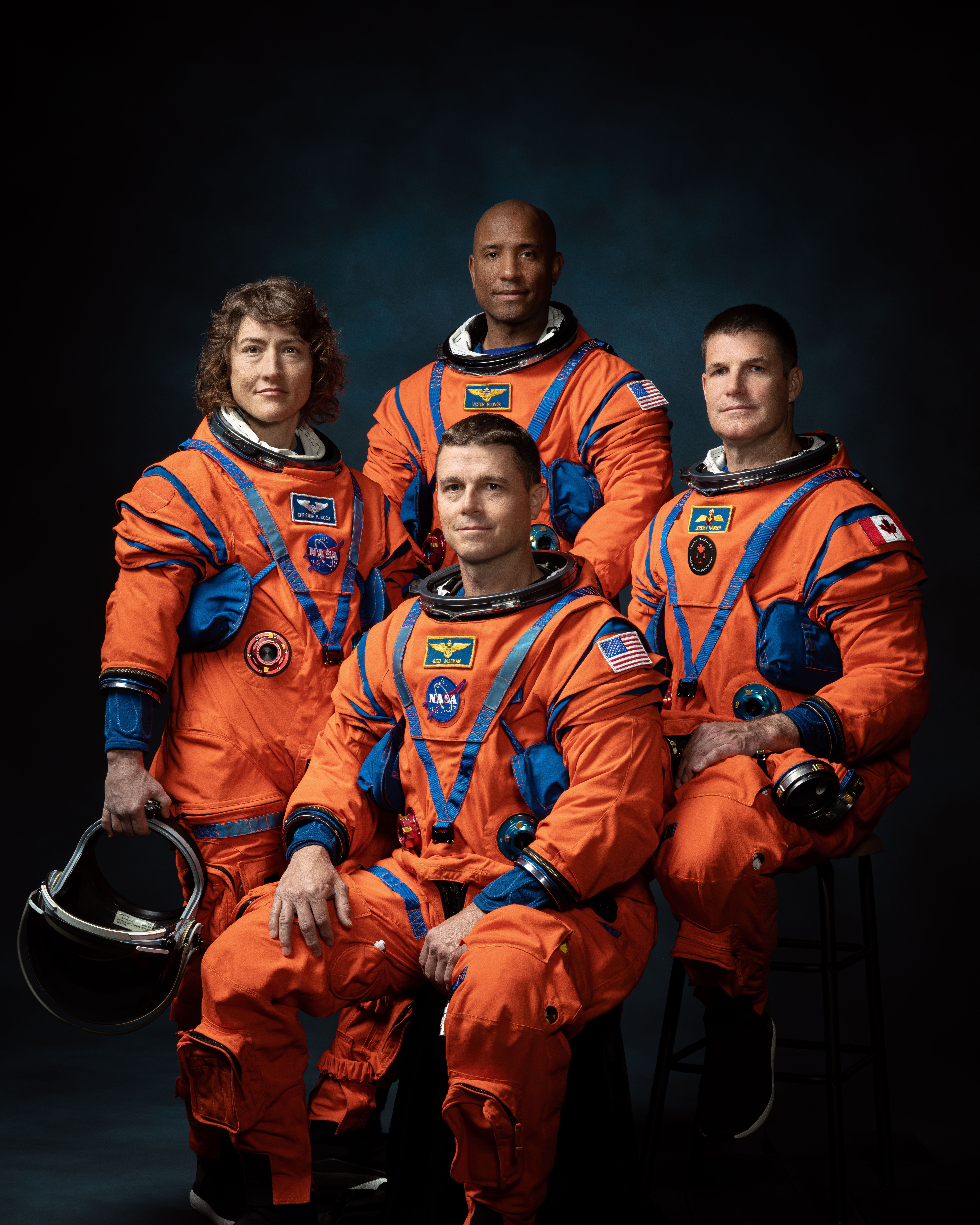
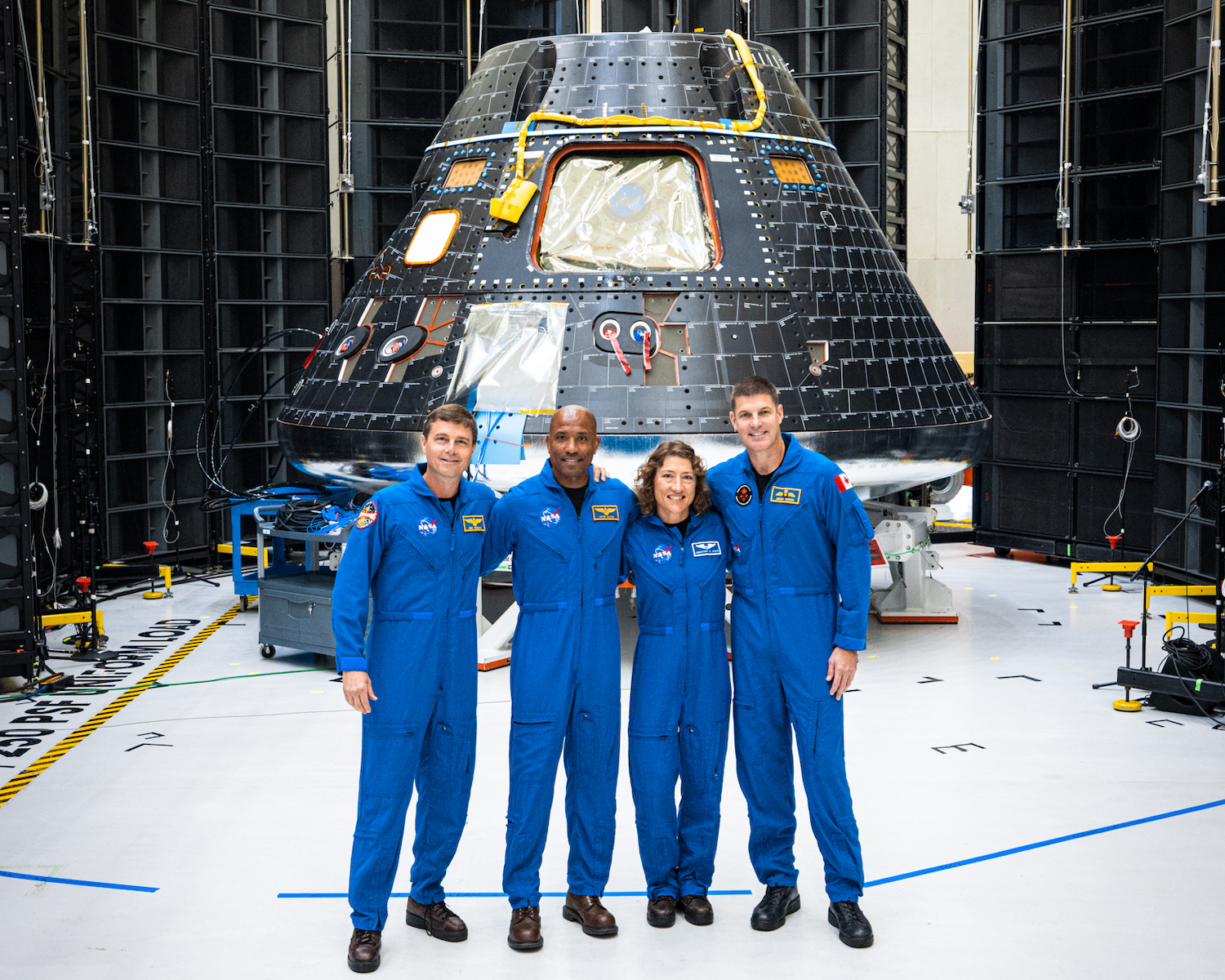
The human element of this mission is perhaps its most significant milestone. Commander Reid Wiseman leads the team, joined by Pilot Victor Glover and Mission Specialist Christina Hammock Koch. Rounding out the crew is Mission Specialist Jeremy Hansen of the Canadian Space Agency, marking the first time an international partner has joined an American lunar mission. Together, these four astronauts are not just passengers; they are testers of a complex architecture that will eventually support long-term lunar exploration and the eventual journey to Mars. Their feedback on the cockpit displays, manual handling of the craft, and the performance of the nitrogen-oxygen atmosphere inside the cabin will dictate the design of future lunar landings.
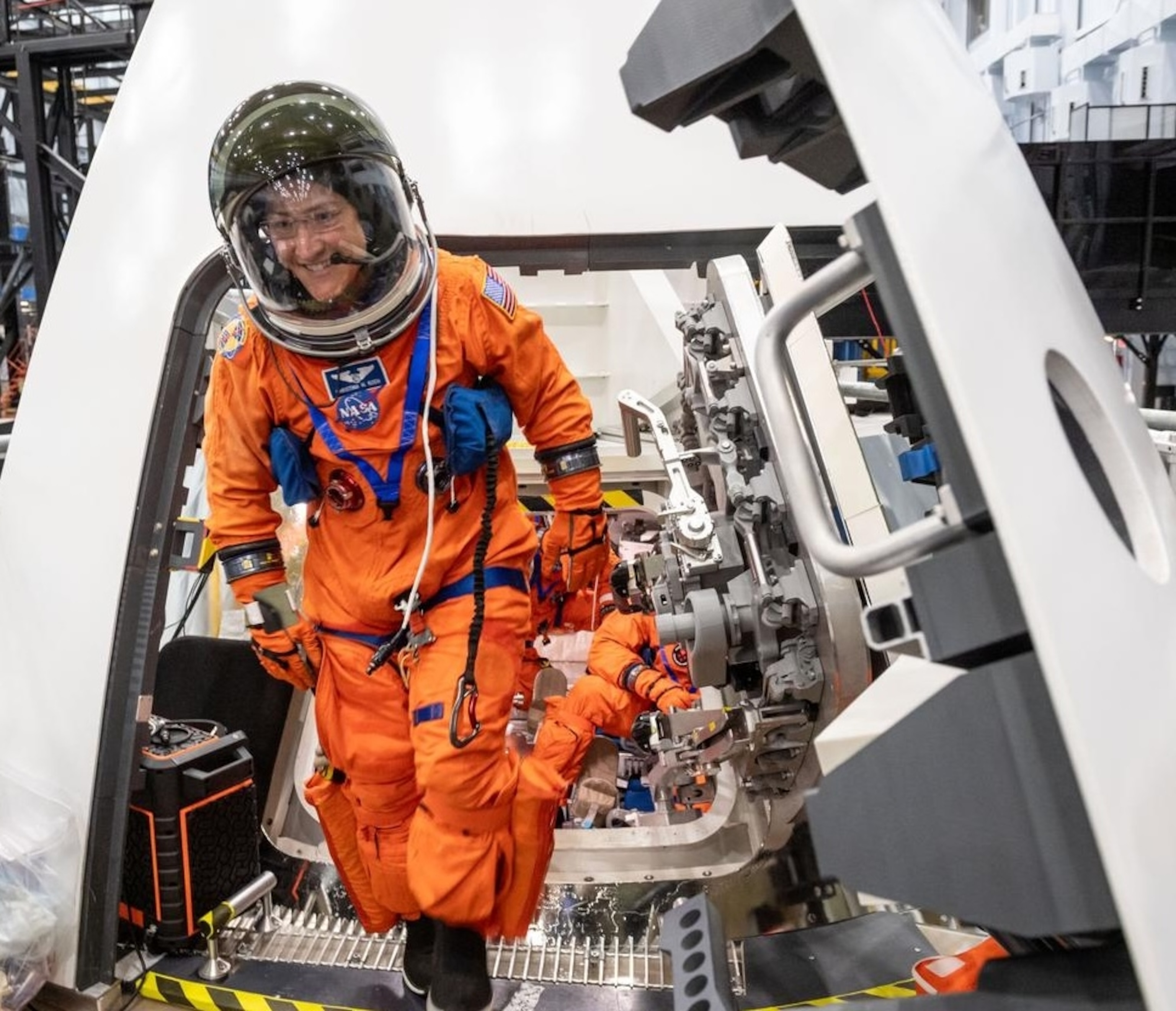
Looking ahead, the mission's trajectory is set for a dramatic lunar flyby. If all systems continue to perform as expected, the crew will reach the vicinity of the Moon on Monday, April 6. During this pass, Orion will travel roughly 4,600 miles beyond the lunar far side, giving the astronauts a view of the Moon that only twenty-four humans have ever seen before. This "free-return" trajectory is designed so that the Moon's gravity naturally pulls the spacecraft back toward Earth without requiring a massive engine burn to return home, a safety feature that remains a cornerstone of the Artemis flight profile.
Back on Earth, the public is following every mile of the journey through the Artemis Real-time Orbit Website, or AROW. This digital tracking system provides a constant stream of telemetry, showing the exact speed and altitude of the spacecraft as it moves through the void. While the mission is a technical triumph, it is also a global event, with augmented reality tools allowing people to point their devices at the sky to see exactly where Orion is located relative to the stars. As the crew prepares for the long coast to the Moon, the world remains fixed on the four individuals currently representing the best of human ingenuity and courage.