In a revealing profile of corporate transformation, Uber CEO Dara Khosrowshahi has detailed the strategic and personal shifts required to steer the ride-hailing giant from a period of existential crisis to financial stability. Khosrowshahi credits his foundational resilience to his family’s 1978 escape from Iran; an experience he claims fundamentally heightened his risk tolerance and fueled a lifelong motivation to succeed. This drive was evident during his tenure as CEO of Expedia, where he grew sales enough to become the highest-paid tech executive in the United States before accepting the formidable task of reforming Uber's embattled culture and balance sheet. Khosrowshahi described his approach as "wartime" leadership, a focused effort that successfully pivoted Uber from a firm losing billions annually to one generating substantial free cash flow. He explained that Uber’s massive growth was an illustration of the Jevons Paradox, where the radical convenience and affordability of the service actually increased total demand for transport far beyond the traditional taxi and black car markets. This expansion was managed through a leadership style defined by "radical transparency"—a lesson learned from mentor Barry Diller—which involves bypassing corporate layers to address issues at their source and taking decisive, sometimes difficult, action.

Related article - Uphorial Shopify
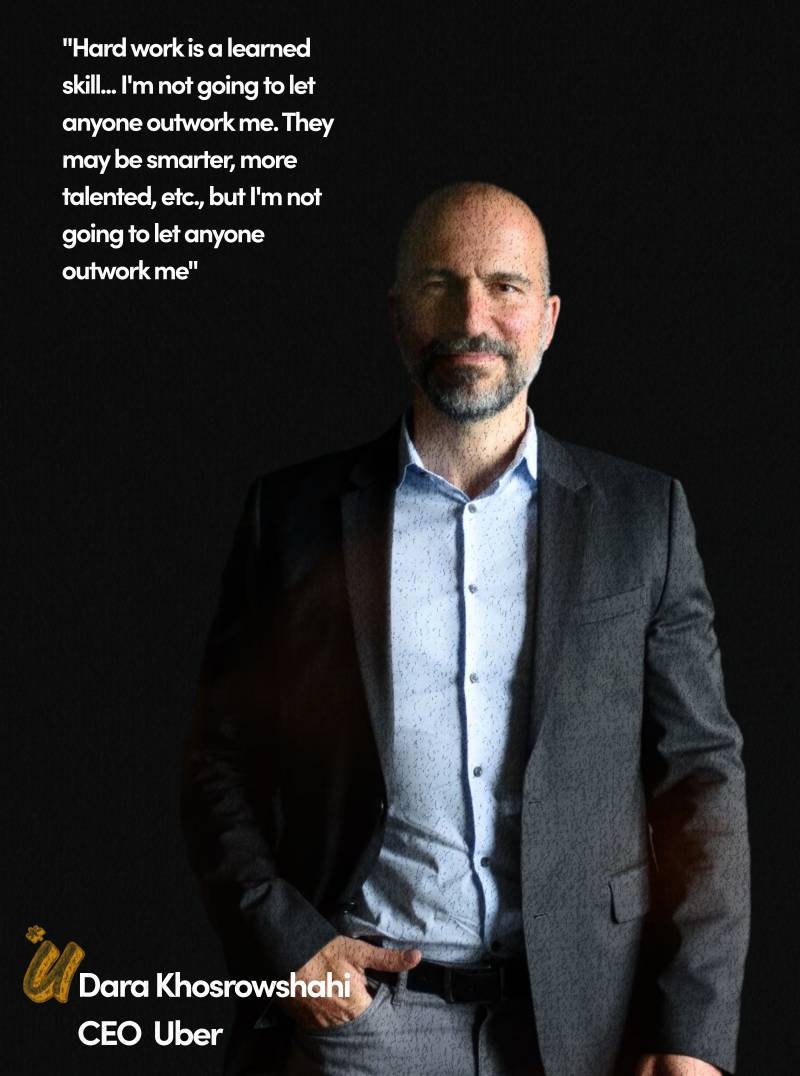
A critical component of this turnaround involved building what Khosrowshahi calls a "hungry culture." He was candid about the challenges of transforming a complacent team, noting that such shifts often require significant personnel changes to ensure every member remains driven by continuous improvement. Under his guidance, the company’s values were also overhauled, moving away from forgettable, crowdsourced phrases toward actionable principles such as "do the right thing" and "go get it." Looking toward the future, Khosrowshahi offered a sobering assessment of the impact of artificial intelligence and autonomous vehicles. He acknowledged that these technologies will likely disrupt millions of roles, including those of Uber’s own drivers. He emphasized the necessity of being honest about this impending shift and urged the younger generation to focus on the "skill of hard work" above all else. Khosrowshahi maintains that a demanding environment where individuals have genuine agency remains the best training ground for adapting to an increasingly AI-dominated global economy.