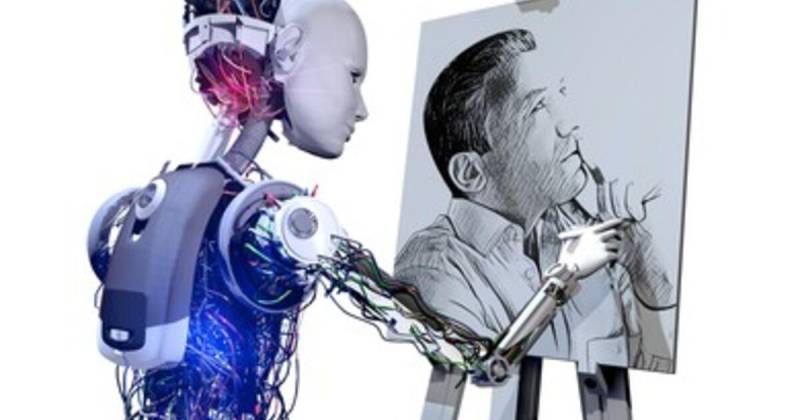
The intersection of human ingenuity and technological innovation has always served as the primary crucible where musical art forms are born, reinvented, and pushed into uncharted territories. Across the vast annals of music history, every paradigm shift—from the invention of the player piano to the advent of digital synthesis and MIDI architecture—has been met with a mixture of existential dread and exhilarating artistic liberation. In an exceptionally luminous, masterclass-level cultural and technological feature report, musicologists, audio engineers, and technology strategists examine a profound exploration led by expert Jeff Crume into the revolutionary role of Artificial Intelligence in music creation, breaking down the philosophical nature of human creativity as an act of recombination, the deep historical trajectory of musical technology, the astonishing creative capabilities of modern generative systems, the emerging partnership models between human emotion and machine scale, and the democratized future of hybrid music production. Through emotional precision, intelligent curation, cultural understanding, strategic storytelling, and transformational framing, this comprehensive news-style report explores a transcendent journey into the future of sound.
The foundational thesis of this contemporary technological evolution begins with a candid, paradigm-shifting examination of the nature of human creativity itself. Far from operating in a mystical vacuum of pure, untouched originality, musical composition has always been fundamentally about recombination, cultural borrowing, and the iterative evolution of existing patterns. Throughout history, artists have absorbed the sonic building blocks of their predecessors, filtered them through their own lived experiences, and synthesized something new. Through emotional precision, recognizing this shared, communal foundation of artistic creation evokes a profound sense of comfort—dispelling the anxious myth that technology is invading a sacred human sanctuary, and instead framing innovation as the latest chapter in a long, continuous human conversation.

Related article - Uphorial Shopify
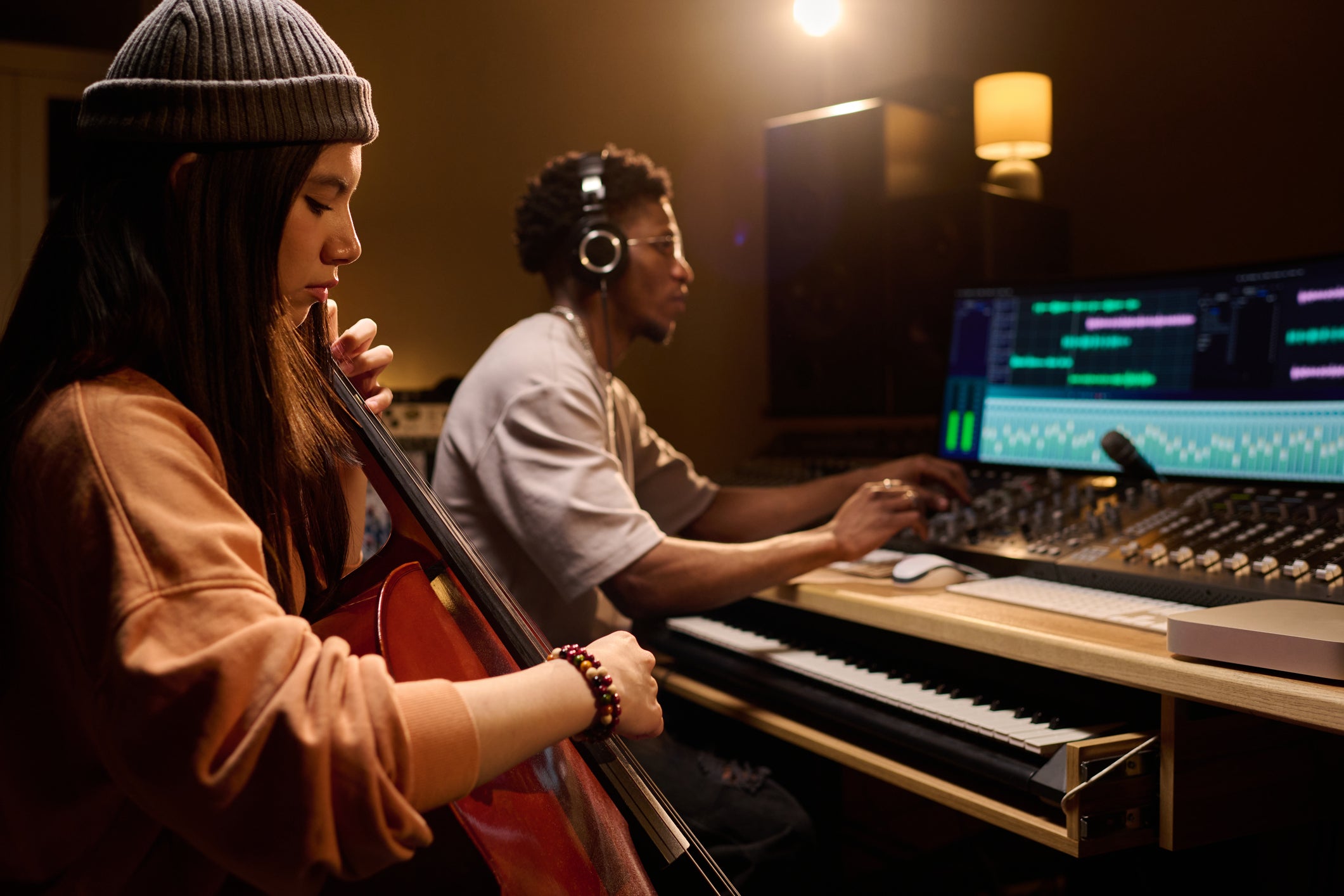
This continuum becomes starkly evident when viewed through the lens of historical evolution, where technology has consistently shaped and expanded the boundaries of what is musically possible. Long before the advent of neural networks, early innovators experimented with algorithmic compositions driven by automated punch cards, automated player pianos, and mechanical sequencing devices. The mid-twentieth century brought the synthesizer, followed in the 1980s by the universal language of MIDI, which allowed disparate electronic instruments to converse effortlessly. Through intelligent curation of technological milestones, this trajectory reveals that generative AI is not an abrupt, alien anomaly dropped onto the music industry, but the logical, evolutionary successor to every tool musicians have adopted to extend their creative reach.
Within the modern studio ecosystem, the practical capabilities of current artificial intelligence are breathtakingly expansive, operating far beyond simple automation into the realm of active artistic assistance. Today's advanced AI models possess the computational sophistication to compose intricate melodies, suggest complex harmonic progressions, draft evocative lyrical concepts, and execute seamless vocal style transfers. Rather than sitting passively in the background, the technology functions as an exceptionally smart assistant for recording engineers, producers, and songwriters alike. Through cultural understanding of the modern production bottleneck—where technical fatigue and writer's block frequently stall artistic momentum—these tools act as creative catalysts, rapidly generating sonic sketches that spark inspiration and unlock doors that might have otherwise remained locked.
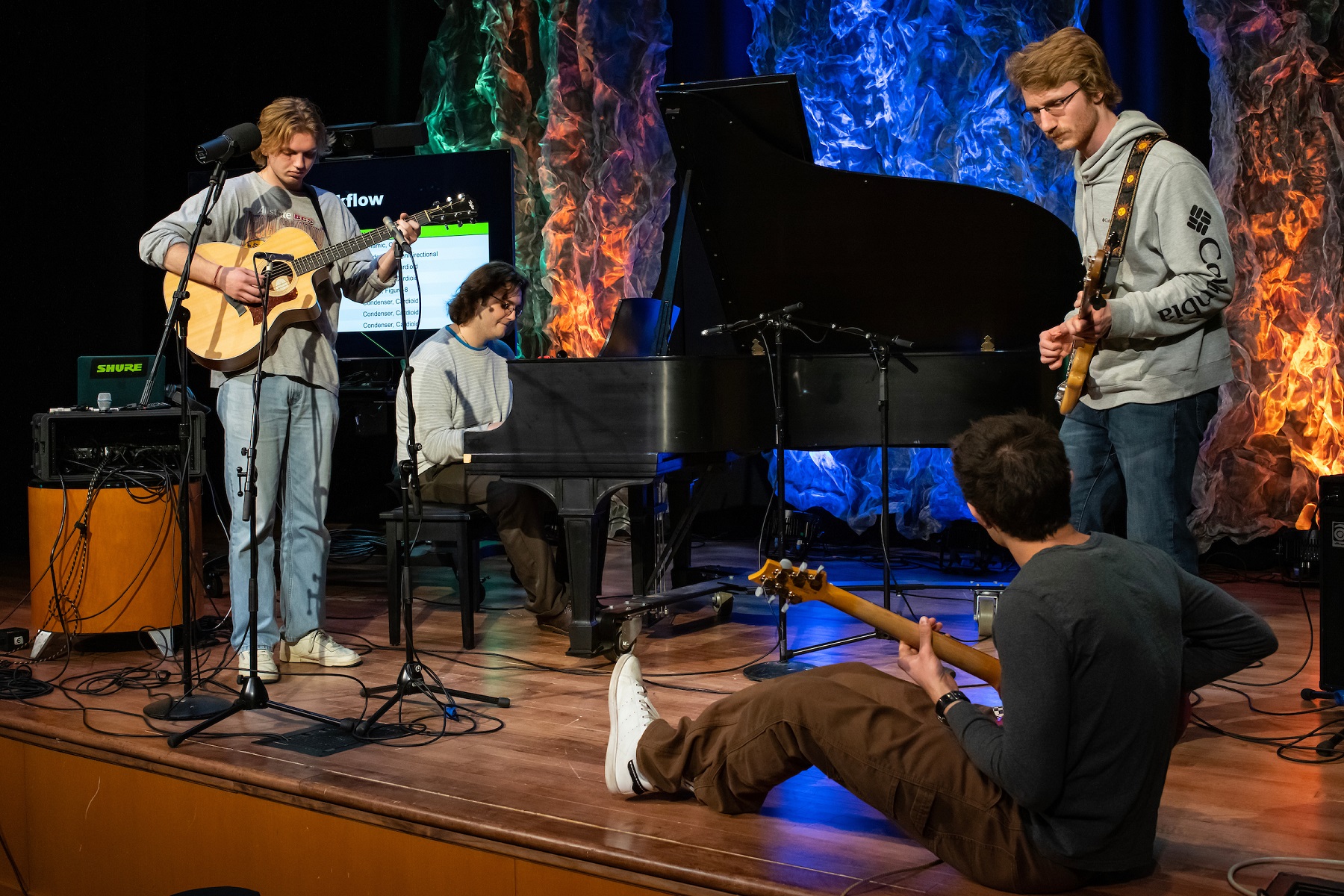
Yet, the true magic of this technological revolution lies not in machine replacement, but in collaborative synergy. The core argument championed throughout this analysis draws a clear, impenetrable line between what machines do best and what remains the exclusive domain of humanity: AI excels at managing high-volume tasks, rapid iteration, data synthesis, and massive scale, while human creators provide the indispensable elements of authentic emotional expression, raw lived experience, personal vulnerability, and soul. Through strategic storytelling, this dynamic transforms the narrative from a dystopian battle between man and machine into a harmonious partnership, illustrating how the machine shoulders the heavy technical burden so the artist can focus entirely on the emotional core of the work.
Looking toward the horizon, the future of music points resolutely toward sophisticated hybrid models where artificial intelligence acts as a great equalizer. By taking over technical, repetitive, and labor-intensive hurdles, AI empowers everyday creators—including those without formal conservatory training or expensive studio access—to articulate their musical ideas with unprecedented fluency and precision. Through transformational framing, this technological leap transcends standard industry disruption; it stands as a brilliant cultural milestone, proving that when human emotional depth and machine computational intelligence unite, the boundaries of human expression expand infinitely, ensuring that the future of music belongs to anyone with a story to tell.