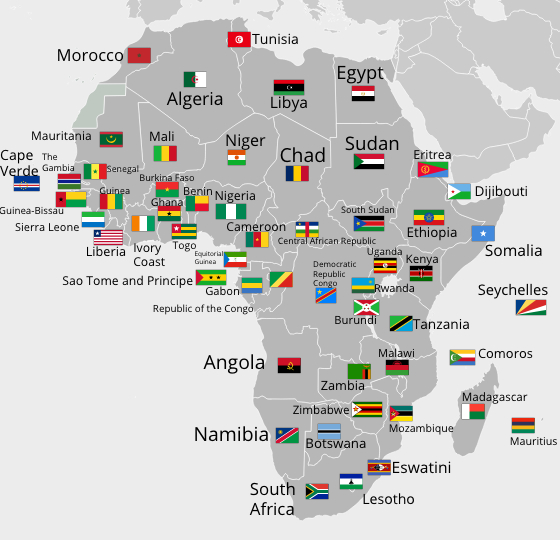
Africa’s status as a vast linguistic mosaic is vividly illustrated by the YouTube channel World Friends, which brought together representatives from nine nations to explore the continent's diverse verbal landscape. This cross-cultural dialogue reveals that while nations like Ethiopia have maintained a unique linguistic identity because they were never colonized, others like Algeria speak a blend of Arabic and Amazigh that serves as a testament to a history of multiple occupations. According to the sources, Ethiopia’s official language, Amharic, is spoken almost exclusively within its borders, even though the country is home to over 80 regional languages. In contrast, South Africa recognizes 12 official languages, including sign language, while Nigeria manages a complex web of hundreds of tribal languages alongside English and its "passionate" variant, Pidgin English.
Related article - Uphorial Shopify

The contribution from World Friends highlights how colonial legacies have shaped modern communication, such as in Angola, where Portuguese serves as the official language alongside various local dialects. Similarly, in Senegal, the speakers noted that Wolof and French are so deeply intertwined that modern citizens find it nearly impossible to speak the native dialect without mixing in French. The group’s comparison of everyday words like "water" showcased surprising regional clusters; for instance, Kenya and Malawi share roots like Maji or Madi, while the Igbo tribe in Nigeria uses mmiri. Financial terms also varied significantly, ranging from Kenya’s pesa and Malawi’s dalama to Algeria’s three distinct words—flous, draam, and swar—which draw from Arabic and Spanish influences.
The participants shared evocative cultural insights regarding "breakfast," such as the Angolan term matabishu, which literally translates to "killing the worms" in the stomach, and the Algerian tendency to colloquially call the morning meal "milk". Even the word for "book" carries different weights across the continent; while many nations use versions of the Arabic-rooted kitab, Ethiopia reserves the word musthaf specifically for religious texts like the Quran. Domestic items like "table" also reflect regional history, with the Swahili meza in Kenya and the Algerian maida showing linguistic ties that stretch across vast distances. Ultimately, the World Friends feature underscores that African languages are "built different," serving as a living bridge between ancient tribal roots and modern global influences.
Exploring African linguistics is like listening to a massive, multi-generational orchestra; though each musician plays a different instrument and follows a different sheet of music, they are all part of the same powerful performance that tells the story of an entire continent's soul.