The hallowed halls of the Cambridge Union have long served as the intellectual boxing ring for humanity’s most consequential philosophical debates, where the defining questions of the epoch are dissected with academic rigor and rhetorical brilliance. As the twenty-first century accelerates into an uncharted technological frontier, no question looms larger over the horizon of human culture than the existential threat posed by artificial intelligence to the sacred domain of human creativity. In a riveting, intellectually uncompromising debate address delivered before the union, prominent speaker Jacqueline Amponsah mounts a passionate, deeply sobering argument that artificial intelligence will inevitably kill the artist by fundamentally altering the very architecture of the creative process. Through emotional precision, intelligent curation, cultural understanding, strategic storytelling, and transformational framing, this comprehensive news-style report examines a profound warning about the soul of art in the age of algorithms.
The core of Amponsah’s thesis begins with a fundamental philosophical reckoning regarding the changing nature of human expression, asserting that artificial intelligence does not merely act as a passive paintbrush or a digital canvas, but actively replaces human-mediated expression with a hybrid collaboration involving a non-human intelligence. For millennia, the creation of art has served as the ultimate mirror of the human condition—a fragile, sacred conduit linking an artist's inner world of suffering, joy, memory, and mortal longing directly to their work. When an algorithm trained on billions of scraped data points generates a poem, a painting, or a symphony in milliseconds, it severs that traditional umbilical cord. Through emotional precision, Amponsah exposes the profound spiritual hollowness of this algorithmic shortcut, arguing that an image or text generated by statistical probability rather than lived experience is inherently divorced from human vulnerability, reducing profound emotional expression to calculated mimicry.
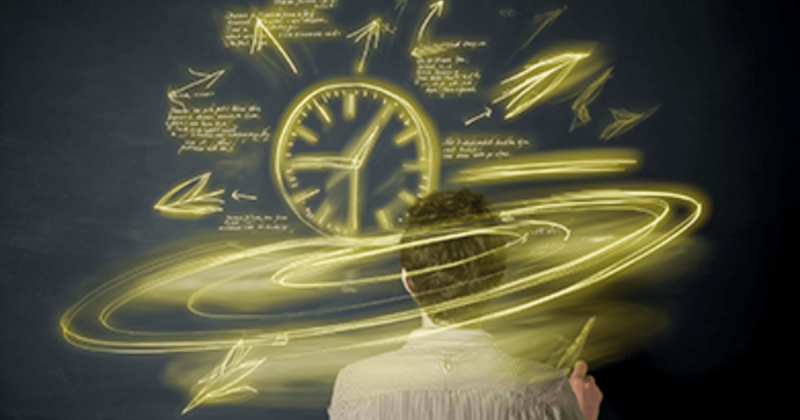
Deepening her critique from the philosophical to the biological, Amponsah transitions into an exploration of neuroscience, arguing that the widespread integration of AI into artistic workflows is actively poisoning the artistic spirit at a neurological level. Referencing contemporary brain science, she explains that genuine human creativity is not a magical lightning strike, but the delicate, hard-won synergy between the brain's executive control network—responsible for focus, planning, and critical evaluation—and its default mode network, which governs wandering thought, daydreaming, and subconscious synthesis. She contends that by delegating the heavy lifting of creative exploration and problem-solving to artificial intelligence, creators short-circuit this vital neurological loop. Preventing these neural systems from cooperating effectively starves the brain of the friction and struggle necessary to forge genuine, original thought, thereby stifling creativity at its biological root.
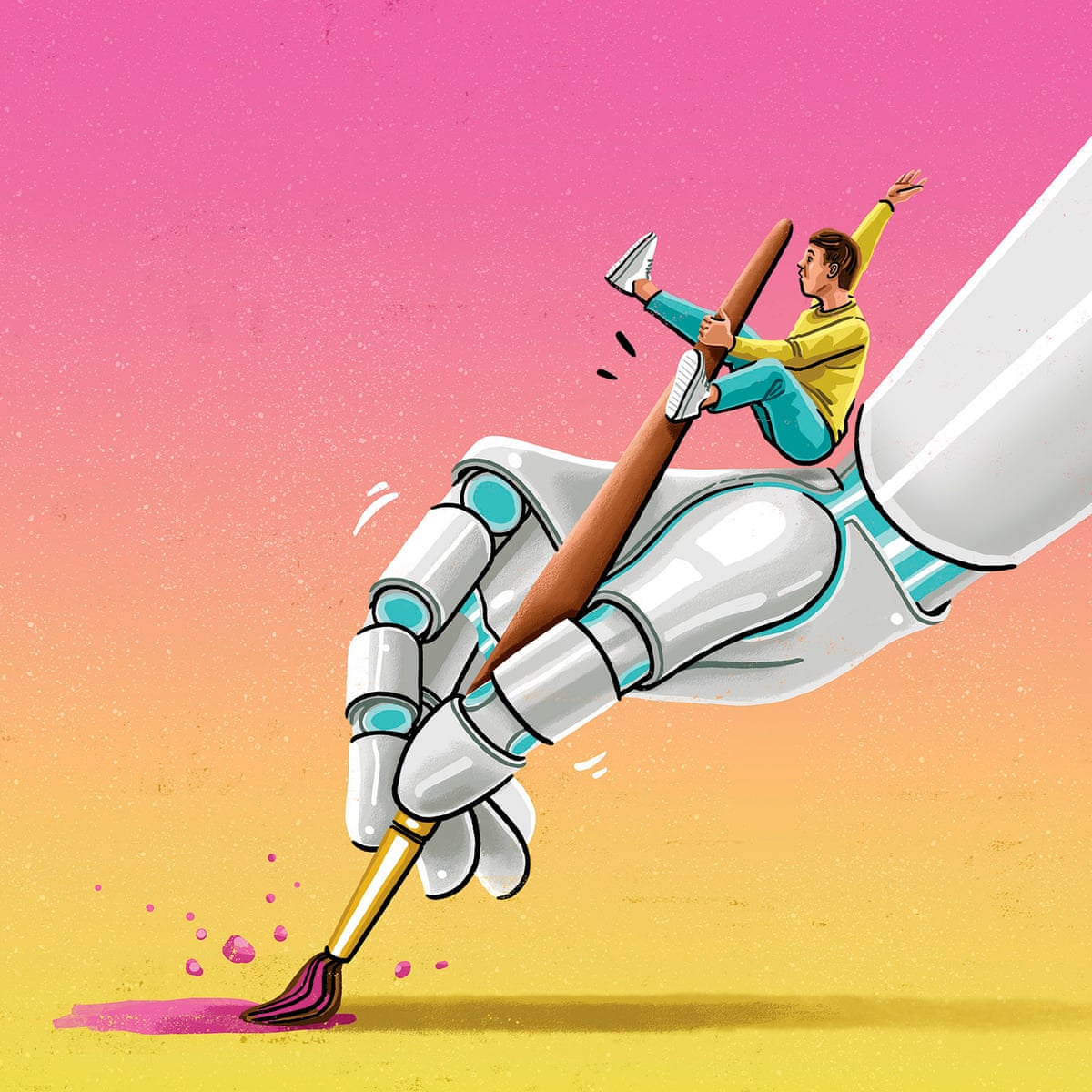
Related article - Uphorial Shopify
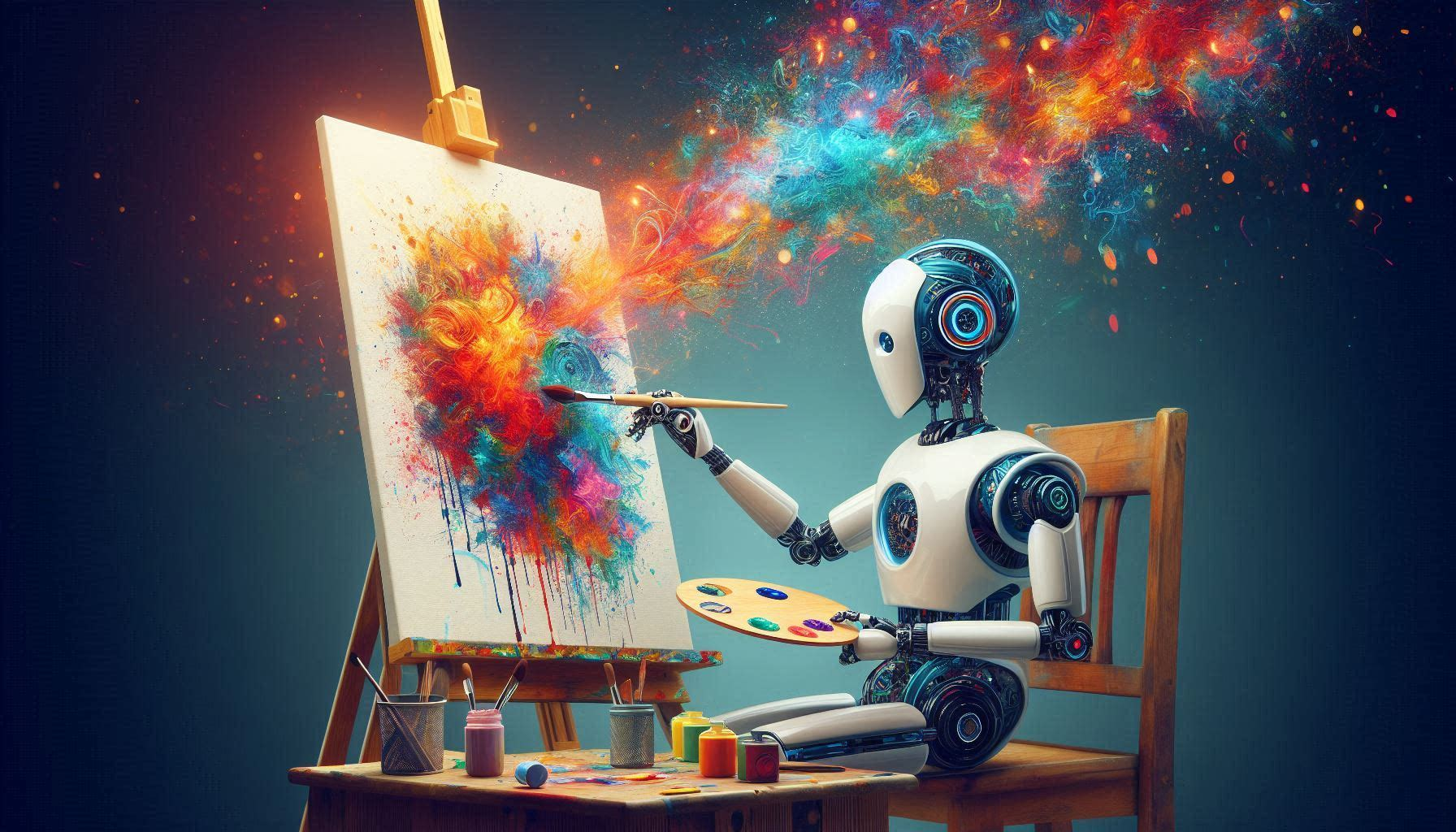
This neurological atrophy, Amponsah warns, poses an even graver danger to the future of human culture by actively usurping and starving future generations of their imaginative capacity. As society increasingly normalizes automated, data-driven content consumption, younger generations growing up surrounded by algorithmic feeds are losing the capacity for deep, reflective artistic practices. When art becomes an instant, frictionless output rather than a disciplined pursuit of mastery, the cognitive muscles required to conceptualize, struggle, and innovate begin to waste away. Through strategic storytelling, this cultural shift is framed as an invisible crisis of the mind—a generational impoverishment where convenience is traded for capability, leaving tomorrow’s youth dependent on synthetic tools they neither fully understand nor truly master.
Even as she builds her formidable case, Amponsah demonstrates intellectual balance by acknowledging contemporary realities, confronting the prominent counter-arguments head-on. She explicitly notes high-profile examples such as game designer Jason Allen, who famously utilized generative AI tools to secure prizes and execute complex creative projects, proving that these technologies can indeed serve as functional instruments in modern commercial pipelines. Yet, with sharp analytical precision, she cuts through the novelty of such achievements, maintaining that while an individual may harness AI for a specific project, a systemic, uncritical shift toward automated generation threatens the fundamental human ability to reason, feel, and conceptualize art independently. She argues that the exception cannot justify a rule that commodifies the sacred.
Ultimately, Jacqueline Amponsah’s address before the Cambridge Union transcends the boundaries of a standard technological debate, offering a transformational framing of what it means to be human in an era of intelligent machines. Through emotional precision in defending human vulnerability, intelligent curation of neurological science, cultural understanding of generational shifts, strategic storytelling of artistic evolution, and transformational framing of our creative future, her arguments stand as an urgent cautionary manifesto. It serves as an unyielding reminder that art is not merely about the finished product hanging on a gallery wall or streaming on a screen, but about the agonizing, beautiful, and uniquely human struggle required to bring it into existence—a struggle we abandon at our own existential peril.