NEW YORK — The evolution of Times Square from a dusty carriage trading post to the incandescent "crossroads of the world" is often viewed as a spontaneous byproduct of capitalism. However, as architect Michael Wyetzner reveals in a comprehensive historical walking tour, the neon-soaked canyon of Midtown Manhattan is actually a meticulously engineered urban environment. The transformation of this district is a story of strategic rebranding, the influence of powerful dynasties like the Astors, and, perhaps most surprisingly, a series of stringent zoning laws that make the area’s blinding brightness a legal requirement rather than a commercial choice. By peeling back the layers of the neighborhood’s architecture, one discovers that every flashing LED and soaring skyscraper is a response to the city’s shifting social and economic priorities.
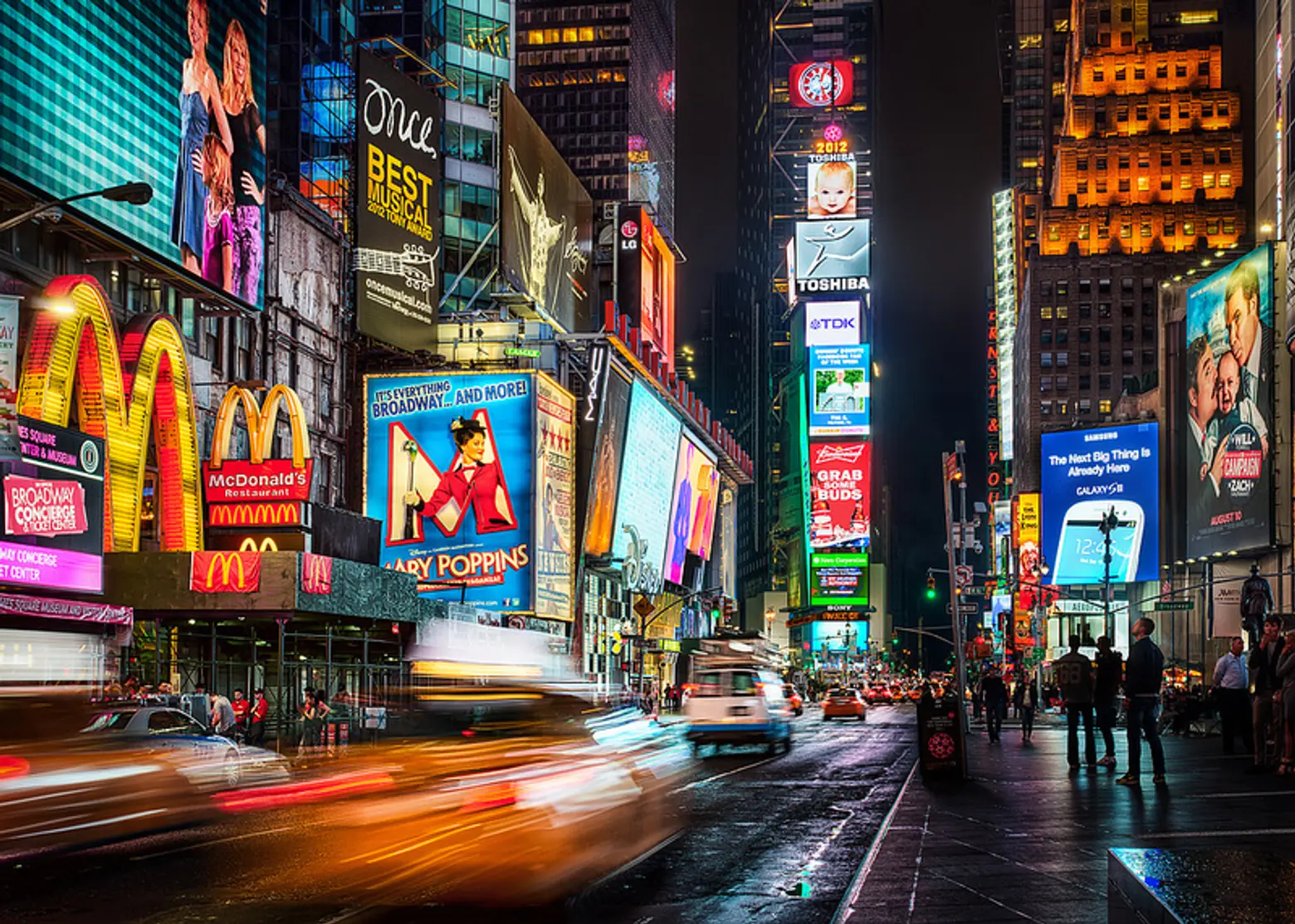
The most jarring revelation for many observers is the fact that the iconic light displays are not merely a result of corporate competition, but are legally mandated. Under specific New York City zoning resolutions, buildings within the Times Square district are required to dedicate a specific portion of their facade to illuminated signage. Specifically, for every linear foot of facade, developers must provide 50 square feet of illuminated signage. This policy was not born out of an aesthetic desire for a futuristic cityscape; rather, it was a practical, if aggressive, effort to improve public safety. By flooding the streets with light, the city aimed to drive away the crime and grit that characterized the area during its darker decades. The mandate turned the "Great White Way" into a permanent beacon, ensuring that the district could never return to the shadows.
The heart of this transformation lies at One Times Square, the slender, tower-like structure that serves as the focal point for the world’s New Year's Eve celebrations. Originally constructed as the headquarters for The New York Times, this building was the primary catalyst for the area’s identity shift. Before the newspaper’s arrival, the district was known as Longacre Square, a center for the horse and carriage trade. The newspaper’s influence was so profound that the city renamed the plaza in its honor. One Times Square also birthed one of the world's most enduring traditions. After the city outlawed fireworks due to fire hazards, the owners of the building sought a new way to celebrate the holiday. The result was the 1907 debut of the ball drop, a spectacle that effectively cemented the building’s status as a global landmark, even long after the newspaper moved its offices elsewhere.
Related article - Uphorial Shopify

A few blocks away, the Winter Garden Theatre stands as a physical bridge between the area’s past and its theatrical present. The building did not begin its life as a stage for Broadway musicals; it was originally constructed as the American Horse Exchange. During the late 19th century, Longacre Square was the hub of the city’s transportation industry, dominated by stables and carriage houses. As the horse and carriage trade gave way to the automobile and the subway, the exchange was repurposed into a theater, reflecting the broader cultural migration of New York’s elite. This evolution from a trade center to a cultural powerhouse was replicated across dozens of blocks, as the smell of hay and leather was replaced by the glitz of the stage.
The Astor family played a pivotal role in this northern migration of the city's cultural center. The Knickerbocker Hotel, built by the Astors, remains one of the most significant historical survivors of the early 20th century. The family recognized that the newly constructed subway system would fundamentally change how New Yorkers moved. By leveraging a new subway stop located directly beneath their property, the Astors helped pull the city’s social gravity uptown. The Knickerbocker became a symbol of the "new" New York—a place where luxury, transport, and nightlife converged. It stands today as a testament to the era when real estate developers and transportation planners worked in tandem to create the modern metropolis.
However, the path to Times Square’s current scale was not without loss. The construction of the New York Marriott Marquis represents a dramatic turning point in the area's development. Built in the 1980s as part of a massive revitalization effort, the hotel’s footprint required the demolition of five historic Broadway theaters. While the project was criticized at the time for destroying the neighborhood’s architectural heritage, it successfully ushered in the era of the mega-block. The Marriott Marquis is a prime example of the massive scale that modern signage has reached in the district, with its towering digital billboards serving as the standard-bearer for the mandated illumination laws that define the neighborhood today.
Ultimately, the walking tour led by Wyetzner underscores that Times Square is not a relic of the past, but a living, breathing laboratory of urban planning. It is a place where prehistoric carriage halls sit in the shadow of digital screens that can be seen from space. From the Astors’ subway maneuvers to the legal requirements of billboard brightness, the district’s "neon aesthetic" is a carefully guarded legacy. Times Square remains the crossroads of the world not just because of the tourists who flock there, but because it is the intersection of New York’s historical grit and its unyielding drive toward the future.