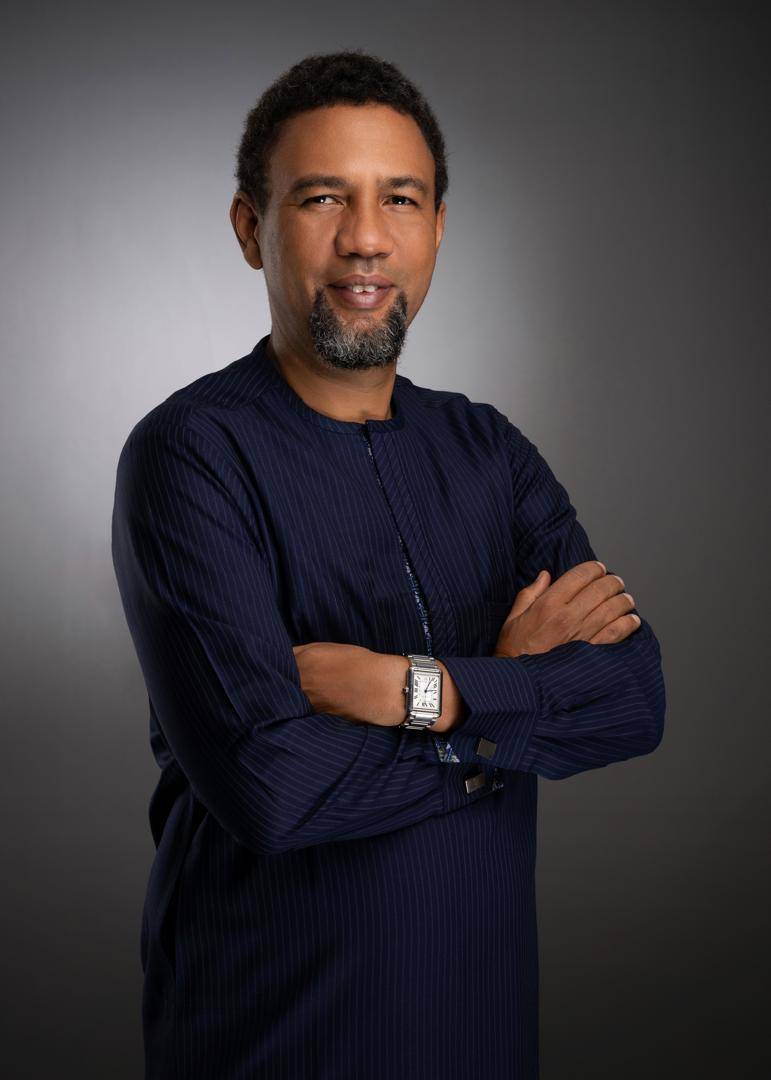
Austin Avuru, a titan of Nigeria’s energy sector, believes that building a multi-billion-dollar enterprise is not the result of a complex, inexplicable drive but rather the product of "one simple step at a time" executed with discipline and focus.
During his appearance on the Afropolitan show, a platform dedicated to documenting the stories of African innovators to ensure their legacies are remembered, Avuru explained that the greatest hurdle for Nigerian partnerships is not reaching success but managing it. He noted that without proper governance, partners often fail to distinguish between company turnover and personal profit, leading to internal quarrels that can destroy a business. To navigate this, he led Seplat Energy to a historic dual listing on the London and Nigerian Stock Exchanges, famously stating the move was intended to "save the company from ourselves" by imposing a minimum governance standard that regulated the partners' behavior.

Related article - Uphorial Shopify

This commitment to global standards allowed Seplat to grow from a $400 million company to a $2.5 billion powerhouse, surviving internal crises that might have folded less structured organizations. Avuru’s path was shaped by a profound sense of destiny and a refusal to abandon his home country, even when opportunities to live abroad arose during his youth. Raised by a widowed mother who ensured all six of her children were educated without ever feeling deprived, he carried that resilience into his 12-year tenure at the NNPC, which he remembers as an aspirational institution comparable to Saudi Aramco or Norway’s Statoil before its eventual decline. Today, he sees a new era where indigenous entrepreneurs are "taking the bull by the horn" in sectors once dominated by the state, such as refining and banking, proving that world-class institutions can indeed be built on African soil.
To ensure his own legacy outlasts him, Avuru has pioneered the use of a family office, aggregating his assets into a trust-based structure managed by professional investment officers and third-party administrators. This move allows his beneficiaries to pursue their own passions—whether they choose to be pianists or businessmen—without the risk of the legal battles often associated with traditional wills. By running the family office with audited transparency, he ensures the wealth is institutionalized and productive long after he is gone. Regarding the global energy landscape, he advocates for a "just transition," arguing that African nations must monetize their remaining oil and gas resources to fund the shift toward renewables while simultaneously decarbonizing their operations to minimize their carbon footprint.
Ultimately, Afropolitan show highlights Avuru’s career as a blueprint for the African diaspora, emphasizing that when governance and discipline meet opportunity, the results can be "miraculous". He encourages the next generation to move past the mindset of impossibility, asserting that as the political and economic spaces become more disciplined, those with solutions will find a fertile environment to grow. His final advice to young builders is a simple, powerful affirmation: "It’s possible".
Building a lasting institution in a developing economy is much like planting a slow-growing hardwood tree; while many are distracted by the quick harvest of smaller plants, true legacy belongs to those who focus on deep roots of governance and the patient, disciplined growth of a structure that can weather any storm.