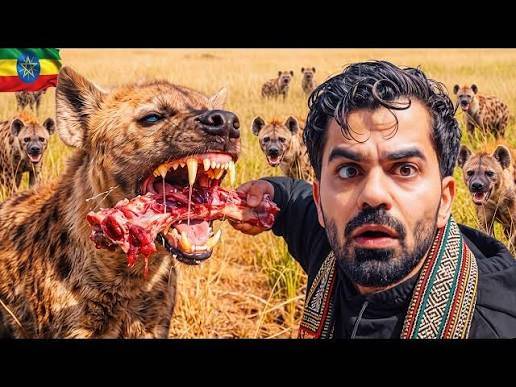
Often perceived through a lens of struggle and underdevelopment, the African continent boasts a "glaring exception" in the Republic of Seychelles, an archipelago nation that Nadir On The Go explored, revealing a country arguably the richest and "undisputedly the most developed country in Africa". In fact, Nadir On The Go notes that the Seychelles is "more developed than a lot of Western countries". Yet, this paradise, built on the foundations of high-end tourism, now faces critical threats posed by its own success and the looming shadow of climate change.
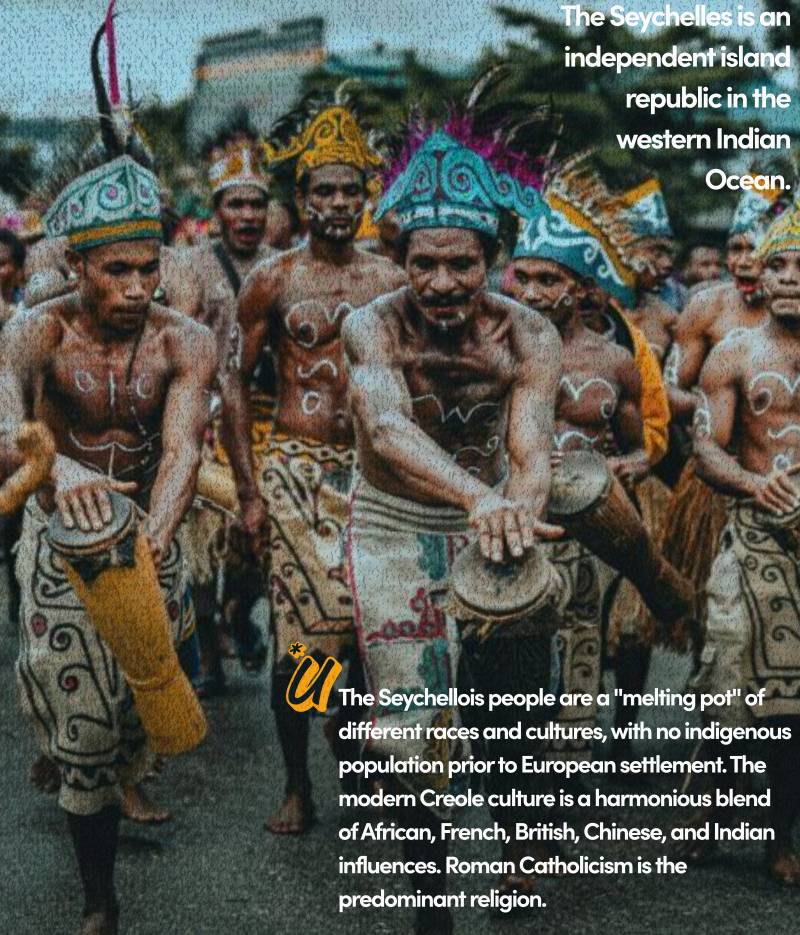
The Seychelles is an archipelago of 115 islands. It is the smallest country in Africa by land area and population, which stands at around 100,000 people. Nadir On The Go noted that 98% of the population lives on just three islands, with 90% residing on the main island of Mahé. The capital, Victoria, is one of the smallest in the world, home to about 25,000 people. The islands were uninhabited until European colonization around the 16th century. Today, the culture reflects a mix of influences—African, South Asian, and colonial—stemming from the history of people bringing slaves and indentured servants. The country has three official languages: French, British (English), and Seychellois Creole.
Since gaining independence from the UK in 1976, Seychelles has established the "best functioning democracy" in Africa, marked by peaceful democratic elections since at least the 1990s and no history of ethnic conflicts or civil wars. This success has led to universal free healthcare, a very high literacy rate, and the highest Human Development Index ranking in all of Africa. Nadir On The Go highlighted the country's religious harmony, noting that while 75% of people are Christian, the country has "no history of inter-religious or even inter-ethnic conflict at any point in its history".

Related article - Uphorial Shopify
Visiting the Richest Country in Africa
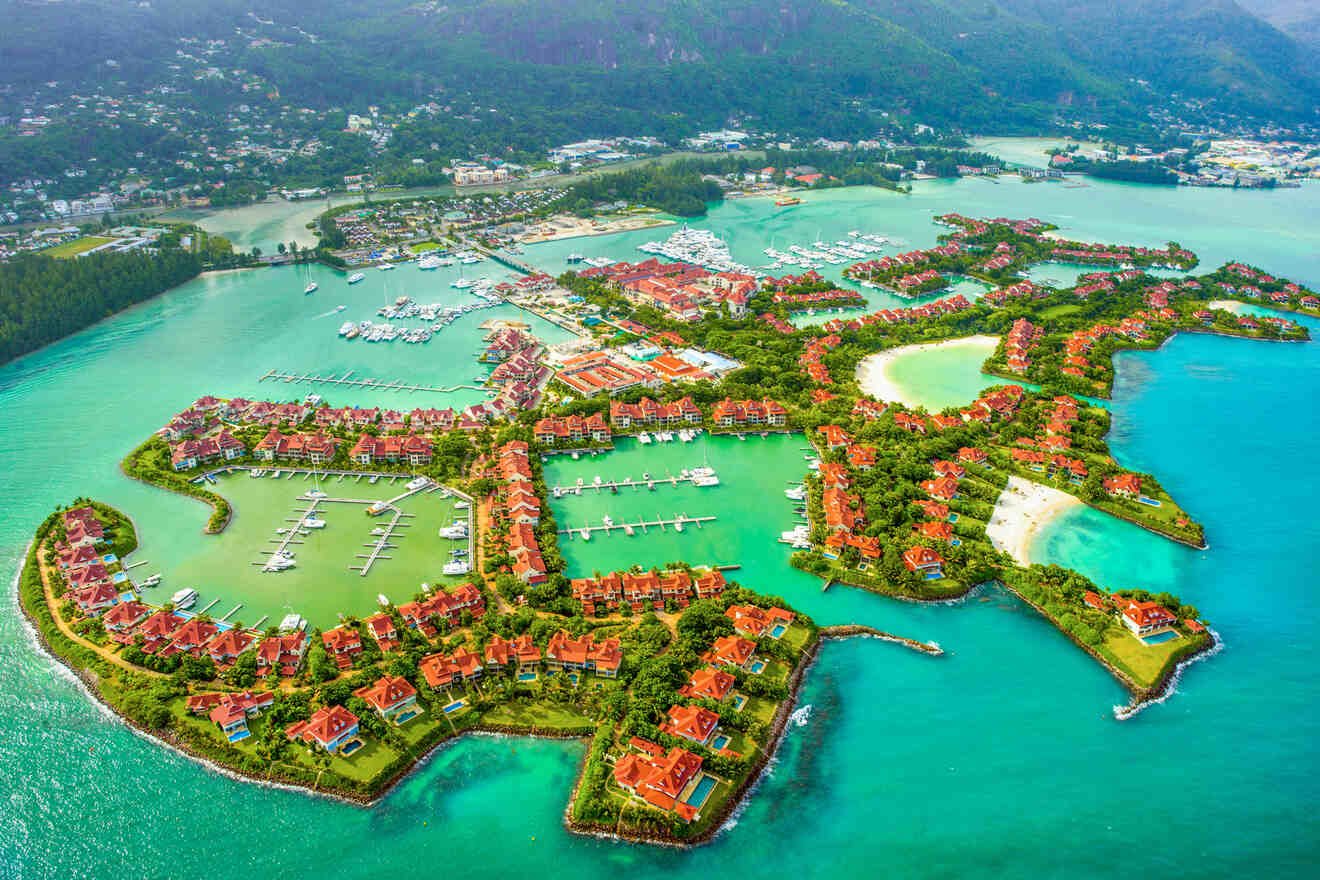
The economic success is "primarily led by tourism". Between 1976 and 2015, the country's GDP grew by 700%, and its purchasing power surged by 1600%. Tourism employs about 30% of the labor force. The impact of this industry is physically evident in places like Eden Island; an entirely manmade island built in the 2000s "purely because of tourism".
Nadir On The Go detailed the Seychelles' distinct model of high-ticket tourism, similar to the Maldives. Instead of seeking many cheap tourists, the policy attracts visitors who "spend a lot of money". The average person visiting Seychelles spends over $1,500. This exclusivity is reflected in high accommodation costs, with the cheapest places costing "more than 130" per night, and mid−range hotels starting at "200 or $300". The government has also made environmentalism a cornerstone of its policies, protecting many islands and surrounding waters, ensuring the destination remains "exclusive and protected".
The main draws for these high-spending visitors are the country’s natural wonders. The Seychelles is a "very weird chain of islands", composed of continental mass that split away from India and Madagascar 90 million years ago, meaning they are not volcanic. Nadir On The Go visited Anse Source d'Argent on La Digue, which he recognized from the Windows Home screen, and noted it is famous for its unique granite-like surfaces sticking out of the sand. The islands are also home to the giant Aldabra tortoises, with more than 100,000 roaming the Seychelles; these creatures can weigh up to 250kg and live up to 200 years.
However, Nadir On The Go discussed why this model cannot be easily "transferred to other countries in Africa". Seychelles benefits from a very small population and its isolation, being "more than 1000km off the coast of Africa", which insulates it from the conflicts and refugee influxes faced by mainland countries. The biggest challenge facing Seychelles is its "overly dependent on tourism". Nadir On The Go warned that limited economic diversification means external shocks, such as the Covid-19 pandemic, can cause the "whole country to suffer greatly". Furthermore, historic foreign land purchases have inflated prices. A local IT professional told Nadir On The Go that he must hold "several things just to live a comfortable life", renting out houses and cars in addition to his main job. Basic meals often cost "over $20, $25".
Finally, Nadir On The Go stressed the risk of global warming and rising sea levels, which means the beautiful beaches "might be underwater in the not-so-distant future". The future prosperity of this "miracle country" depends on "careful planning" to diversify and sustain itself.