The first whisper of power isn’t in the decree itself, but in the tremor behind it. President Trump’s latest salvo—a pledge of sharp tariffs and export curbs aimed at nations imposing digital taxes on U.S. tech giants—sounds at once like a battle cry and a confession. Beneath the surface of geopolitical chess, it speaks of a leader deeply attuned to his own narrative: a defender, unafraid to wield economic force to reshape global digital order.
In a world where digital services blur borders effortlessly, Trump’s rhetoric cuts corners of finance and identity. This is not just about tariffs. It’s about reaffirming dominance in an era defined by code and networks. Those digital service taxes—championed by France, Italy, the UK,and the EU—are framed in his vision as insidious walls rising against American ingenuity. His response is equal parts shield and sword.
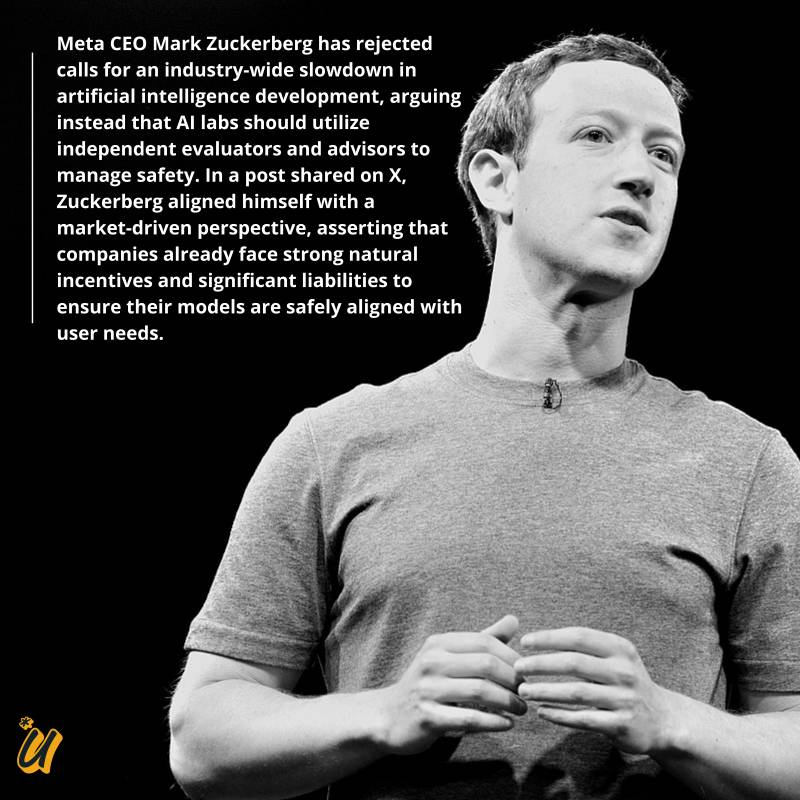
Yet something more personal lingers in this posture: the portrait of a man longing to be seen as indispensable. When Mark Zuckerberg reportedly leaned into Trump to express tech-sector anxieties, and immediately thereafter the president raised his voice against digital taxes—it wasn’t just diplomacy. It was narrative synergy. He becomes the bulwark for American Silicon Valley, a modern-day guardian against foreign oversight.
Related article - Uphorial Sweatshirt

Bloomberg Tech
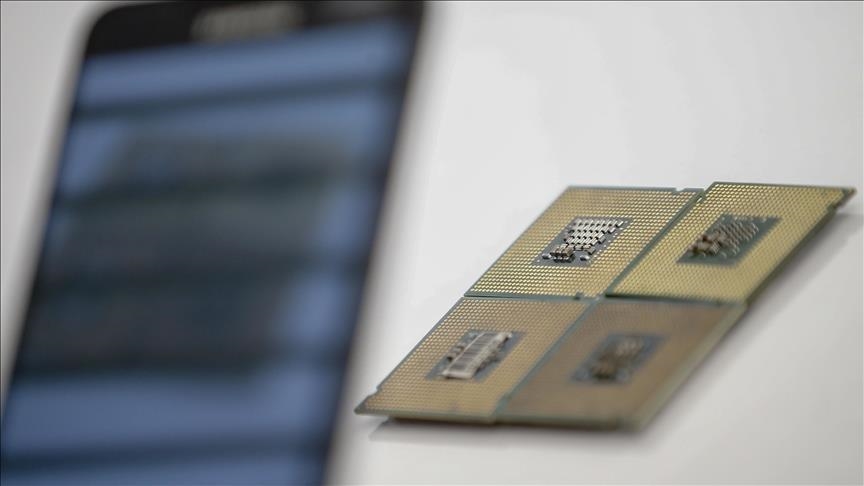
Meanwhile, beyond the chamber of Washington’s echo, investors are watching the moves of tech titans like Nvidia with equal measures of awe and caution. Their dependence on U.S. policy clarity is unambiguous. Nvidia posted nearly $47 billion in quarterly revenue—a milestone—yet its stock slipped, haunted by uncertainty over future Chinese chip sales and broader AI sustainability. The company's CEO, Jensen Huang, argues that excluding China from its AI market risks undermining America's competitive edge, even touting a potential $50 billion opportunity there.
Here we glimpse the tension: Trump's policy is a thunderbolt that shakes not just foreign economies, but the very platforms fueling global AI advancement. The person at the helm—Trump—reveals a paradox: the architect of disruption longing to be the one to maintain control in chaos.
As you drift through this moment—where tariffs, chips, digital tax laws, and AI futures collide—what seems like economic posturing becomes something deeper. It’s about storytelling in power: a world leader not merely regulating, but reframing the narrative of U.S. technological identity.
In the broader arc, this threat is the prologue to a struggle for influence it may well ignite—between his brand of protectionism and the ideals of open global innovation. Will allies bow or push back? Already, the European Commission’s own antitrust chief stands firm, insisting the EU will not dilute its Digital Services or Markets Acts for the sake of U.S. coercion.
So, when headlines say Trump Threatens Tech Tariffs, read instead as a man asserting narrative control. He's positioning himself not just as a policymaker, but as the shuttle of inevitability—guiding the arc of the digital age on his terms. And in that, we find not just politics—but character.