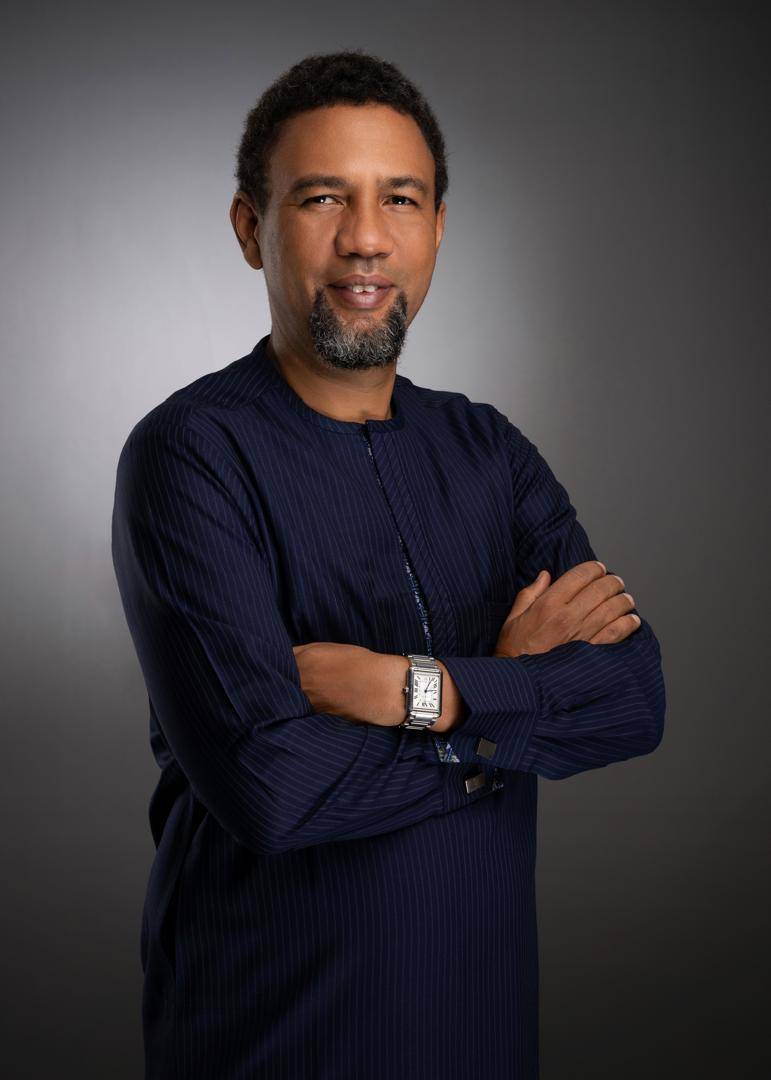
LAGOS - The cinematic landscape of modern Africa is built upon the foundational soil of ancient oral traditions, where stories were once passed down under the moonlight by village elders who held the collective memory of their people in trust. In an era dominated by high-speed digital streaming and globalized content consumption, the imperative to anchor art in authentic cultural identity becomes ever more vital. Few individuals understand this sacred duty quite like legendary Nigerian filmmaker Tunde Kelani, affectionately known across the continent simply as "TK." Reflecting upon a storied five-decade career that has redefined the boundaries of African storytelling, Kelani offers a profound meditation on cinema not merely as entertainment, but as an essential piece of cultural infrastructure necessary for the survival and psychological health of society.
To trace Kelani’s artistic evolution is to journey back to the vibrant, texture-rich environment of his childhood, where his early inspirations were forged in the crucible of local storytelling and the melodic cadences of the Yoruba language. Growing up immersed in a rich tapestry of folklore, proverbs, and communal rituals, young Kelani developed an insatiable desire to document the lived experiences and philosophical depths of his people. This early exposure instilled in him a deep-seated cultural understanding that would later become the bedrock of his cinematic philosophy: stories are not fleeting amusements, but living archives that preserve the dignity, history, and soul of a civilization against the relentless tide of cultural erasure.

Related article - Uphorial Shopify

That passion for documentation soon found its rigorous technical foundation during his formative years in photography and broadcast television at Western Nigerian Television. Recognizing early on that artistic vision without technical mastery is merely a whisper in the wind, Kelani dedicated himself to mastering the intricate machinery of visual media before refining his craft at the prestigious London Film School. He emphasizes with emotional precision that true filmmakers must command their tools with absolute authority, ensuring that technology serves the narrative rather than overshadowing it. This mastery of craft allowed him to translate the vibrant complexities of African life onto the silver screen with a visual fidelity that honored the richness of his subjects.
A defining hallmark of Kelani’s illustrious career is his profound commitment to literary adaptation, bridging the gap between the printed page and the motion picture frame. Working in close, collaborative synergy with prominent academic writers and literary giants, he has systematically transformed celebrated novels into enduring cultural landmarks that resonate deeply with audiences across generations. By treating literature as a sacred quarry, Kelani extracts complex themes, moral questions, and psychological portraits, weaving them into cinematic tapestries that force viewers to engage intellectually and emotionally with their own heritage and societal structures.

Among these cinematic landmarks, none looms larger or possesses a more haunting contemporary relevance than his iconic 1999 political allegory, Saworoide. Crafted as a biting, fearless critique of absolute power, political corruption, and the tragic erosion of moral authority, the film stands as a towering masterwork of socio-political commentary. Set in the fictional town of Jogbo, the narrative explores the corrupting influence of unchecked political office and the desperate struggle of citizens to reclaim their collective destiny. Looking back with the benefit of hindsight, Kelani describes Saworoide as a prophetic work—a chillingly accurate mirror that continues to reflect Nigeria’s persistent socio-political challenges, proving that art possess a timeless, diagnostic power to expose the sicknesses of the state.
As the conversation turns toward the modern horizon and the explosive, global expansion of Nollywood, Kelani adopts the wise, forward-looking stance of an elder statesman. Reflecting on the evolution of the industry he helped build, he issues a passionate call for a return to minimalist, independent filmmaking. In an era where commercial pressures often tempt creators to imitate Western styles, budgets, and formulas, he encourages young, emerging filmmakers to embrace the high-tech, low-cost tools available in their pockets today to honor their unique roots. True cinematic innovation, he argues, does not stem from massive financial backing, but from uncompromising authenticity, local relevance, and a fearless willingness to tell stories that only African voices can articulate.
Ultimately, Tunde Kelani’s five-decade crusade stands as a transformational framing of what it means to be a cultural custodian in the twenty-first century. Through strategic storytelling, intelligent curation, and an unshakeable belief in the power of cinema to provoke social consciousness, he has left an indelible imprint on the global cultural map. His life’s work serves as an enduring reminder that when a society nurtures its own stories, respects its literary traditions, and holds a mirror to its political soul, art ceases to be a luxury and becomes, instead, the very heartbeat of a free and conscious people.